

Introduction:
Body Mass Index (BMI) is a widely used metric for assessing body weight relative to height, providing a simple numerical value that categorizes individuals into various weight classifications. With a BMI of 26.6, an individual falls into the "overweight" category, which raises questions about the potential health implications associated with this classification. This article aims to explore the nuances of BMI, its significance in health assessments, and the specific considerations for individuals with a BMI of 26.6.
Understanding BMI: Definition and Calculation Methodology
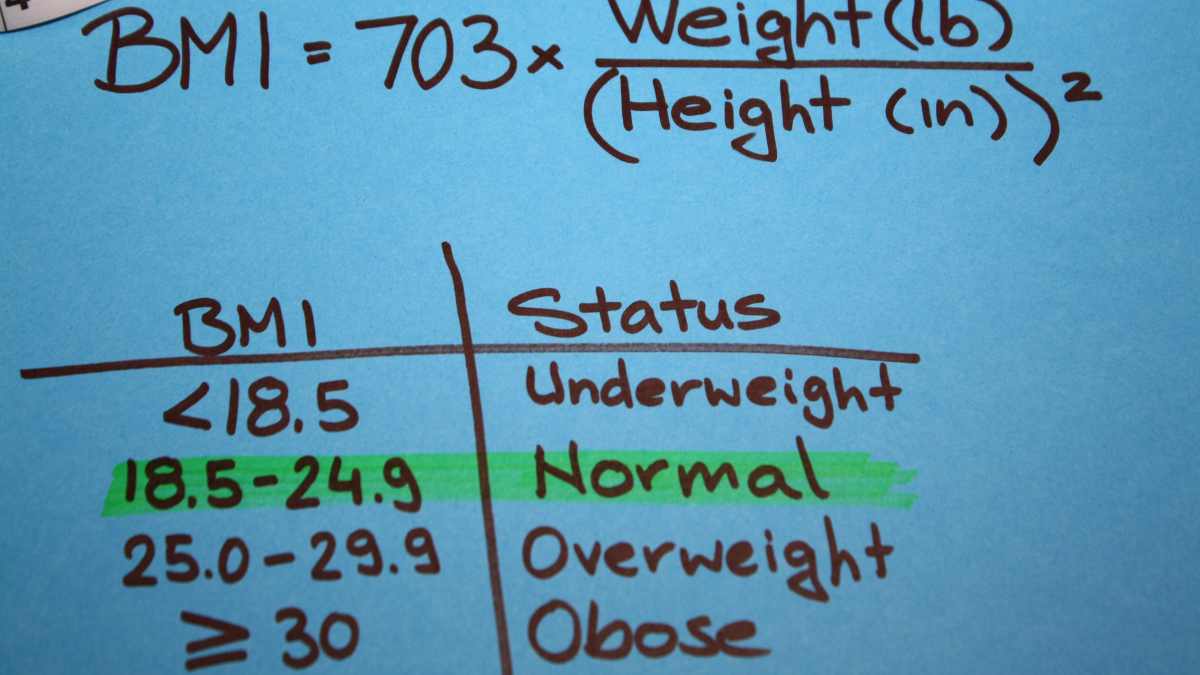
BMI is defined as the weight in kilograms divided by the square of the height in meters. The formula is straightforward:
[ text{BMI} = frac{text{Weight (kg)}}{text{Height (m)}^2} ]
This calculation yields a numerical value that can be interpreted using standard BMI categories: underweight (BMI < 18.5), normal weight (BMI 18.5–24.9), overweight (BMI 25–29.9), and obesity (BMI ≥ 30). The simplicity of this formula makes it accessible for both healthcare professionals and the general public, allowing for quick assessments of body weight status.
However, while BMI provides a useful general guideline, it does not account for several critical factors, including muscle mass, bone density, and fat distribution. For instance, an athlete may have a high BMI due to increased muscle mass, which does not necessarily correlate with higher health risks. Therefore, while BMI serves as a useful screening tool, it should not be the sole determinant of an individual's health status.
In practice, BMI is often calculated using weight and height measurements that can be easily obtained in a clinical setting. The widespread use of BMI is partly due to its cost-effectiveness and ease of implementation, making it a popular choice for large-scale health assessments and epidemiological studies.
The Significance of BMI in Assessing Health Risks
BMI is a valuable tool for identifying potential health risks associated with body weight. Research has established a correlation between BMI and various health conditions, including cardiovascular disease, type 2 diabetes, and certain cancers. Individuals categorized as overweight or obese are generally at a higher risk for these conditions, which can lead to significant morbidity and mortality.
Moreover, BMI can serve as a useful indicator for public health initiatives aimed at addressing obesity and its related health consequences. By tracking BMI trends within populations, health organizations can identify at-risk groups and allocate resources effectively. This data can inform policy decisions and health promotion strategies, ultimately contributing to improved health outcomes on a population level.
However, it is essential to recognize that BMI is not a definitive measure of health. While it can indicate potential risks, it does not account for lifestyle factors, such as diet, physical activity, and genetic predispositions, which also play crucial roles in determining an individual's overall health. Therefore, while BMI is a significant factor in health assessments, it should be interpreted alongside other health indicators.
Furthermore, the interpretation of BMI can vary across different populations and ethnic groups. Research has shown that the relationship between BMI and health outcomes may differ based on genetic, cultural, and environmental factors. Thus, healthcare providers should consider these variations when assessing an individual's health status based on BMI.
Analyzing the Implications of a 26.6 BMI Value
A BMI of 26.6 places an individual in the overweight category, which may suggest an increased risk for various health issues. This classification indicates that the individual has a higher body weight relative to their height, which can be associated with excess body fat. While not all individuals with a BMI in this range will experience negative health outcomes, the potential for increased risk cannot be overlooked.
Research indicates that individuals with a BMI in the overweight range may experience metabolic changes that can predispose them to conditions such as insulin resistance and hypertension. These changes can lead to a cascade of health issues if not addressed through lifestyle modifications or medical interventions. Therefore, it is crucial for individuals with a BMI of 26.6 to be proactive in monitoring their health and making informed choices.
Additionally, the psychological implications of being classified as overweight can affect an individual's self-esteem and mental health. Societal pressures and stigmas associated with body weight can lead to feelings of inadequacy or anxiety. It is essential for individuals in this category to seek support and resources that promote a healthy body image and mental well-being.
In summary, while a BMI of 26.6 does not automatically indicate poor health, it does warrant attention and consideration of potential health risks. Individuals in this category should be encouraged to engage in regular health screenings and discussions with healthcare providers to assess their overall health status.
Comparing BMI with Other Health Assessment Metrics
While BMI is a widely recognized measure, it is essential to compare it with other health assessment metrics to gain a comprehensive understanding of an individual's health. One alternative measure is waist circumference, which assesses abdominal fat distribution. Research has shown that excess abdominal fat is a significant risk factor for cardiovascular disease and metabolic disorders, sometimes even more so than BMI.
Another useful metric is body fat percentage, which provides insight into the proportion of an individual's body weight that is composed of fat. This measure can be particularly informative for individuals with high muscle mass, as it differentiates between lean mass and fat mass. Various methods, such as bioelectrical impedance analysis and dual-energy X-ray absorptiometry (DEXA), can be used to estimate body fat percentage.
Additionally, assessing metabolic health markers, such as blood pressure, cholesterol levels, and blood glucose levels, offers a more nuanced view of an individual's health status. These indicators can help identify individuals who may be at risk for chronic diseases, regardless of their BMI classification. Therefore, a comprehensive health assessment should consider multiple metrics to provide a holistic view of an individual's health.
Ultimately, while BMI serves as a useful screening tool, it should not be the sole measure used to assess health. Integrating BMI with other health metrics allows for a more accurate evaluation of an individual's health risks and can guide more personalized interventions.
Potential Health Concerns Associated with Overweight Status
Individuals classified as overweight, including those with a BMI of 26.6, may face several potential health concerns. One of the most significant risks is the development of chronic diseases, such as type 2 diabetes. Research has shown that excess body weight can lead to insulin resistance, a precursor to diabetes, which can have severe long-term health implications.
Cardiovascular health is another area of concern for individuals in the overweight category. Elevated BMI is associated with increased blood pressure, higher cholesterol levels, and a greater likelihood of developing heart disease. These conditions can lead to serious complications, including heart attacks and strokes, making it essential for individuals to monitor their cardiovascular health closely.
Additionally, overweight individuals may experience joint problems, particularly in weight-bearing joints such as the knees and hips. The added stress on these joints can lead to conditions like osteoarthritis, which can significantly impact mobility and quality of life. Therefore, addressing weight management is crucial for preventing joint-related issues.
Finally, mental health concerns are also prevalent among individuals classified as overweight. The societal stigma associated with being overweight can lead to feelings of shame, anxiety, and depression. Addressing both physical and mental health is vital for individuals with a BMI of 26.6 to promote overall well-being.
Recommendations for Individuals with a 26.6 BMI Score
For individuals with a BMI of 26.6, adopting a proactive approach to health is essential. One of the most effective strategies is to engage in regular physical activity. The World Health Organization recommends at least 150 minutes of moderate-intensity aerobic activity per week, combined with strength training exercises on two or more days. This can help improve cardiovascular health, increase muscle mass, and support weight management.
In addition to physical activity, focusing on nutrition is crucial. A balanced diet that emphasizes whole foods, such as fruits, vegetables, lean proteins, and whole grains, can help individuals achieve and maintain a healthy weight. It is also important to monitor portion sizes and limit the intake of processed foods, added sugars, and unhealthy fats.
Regular health screenings are vital for individuals with a BMI of 26.6. Monitoring blood pressure, cholesterol levels, and blood glucose can help identify potential health issues early and guide appropriate interventions. Consulting with healthcare providers can provide personalized recommendations and support in managing weight and overall health.
Finally, it is essential for individuals to prioritize mental health and seek support if needed. Engaging in stress-reducing activities, such as mindfulness, yoga, or counseling, can help improve emotional well-being. Building a supportive network of friends, family, or support groups can also foster a positive body image and encourage healthy lifestyle choices.
Conclusions:
In conclusion, a BMI of 26.6 categorizes an individual as overweight, which may be associated with increased health risks. However, BMI should not be viewed in isolation; it is essential to consider other health metrics and individual factors when assessing health status. By adopting a holistic approach that includes physical activity, balanced nutrition, regular health screenings, and mental health support, individuals can effectively manage their health and reduce potential risks associated with being overweight.
Read more
-
Centers for Disease Control and Prevention (CDC) – About Adult BMI
This resource provides a comprehensive overview of BMI, including its calculation and implications for health.
CDC – About Adult BMI -
World Health Organization (WHO) – Obesity and Overweight
The WHO offers detailed information on obesity, its health consequences, and strategies for prevention.
WHO – Obesity and Overweight -
National Heart, Lung, and Blood Institute – Assessing Your Weight and Health Risk
This resource outlines the relationship between BMI and health risks, providing guidance for individuals.
NHLBI – Assessing Your Weight and Health Risk -
Harvard Health Publishing – The Truth About Body Fat
This article discusses body fat percentage and its importance in assessing health beyond BMI.
Harvard Health – The Truth About Body Fat -
American Heart Association – Overweight and Obesity
The AHA provides insights into the cardiovascular risks associated with being overweight and strategies for management.
AHA – Overweight and Obesity