

Introduction:
Body Mass Index (BMI) is a widely used metric for assessing body weight relative to height. It serves as a screening tool to categorize individuals into various weight classifications, which can indicate potential health risks. A BMI of 32 falls within the overweight category, bordering on obesity. This article delves into the implications of having a BMI of 32, exploring its health risks, the importance of body composition, and lifestyle factors that contribute to overall well-being. Furthermore, it offers recommendations for effectively managing a BMI of 32.
Understanding Body Mass Index: A Technical Overview
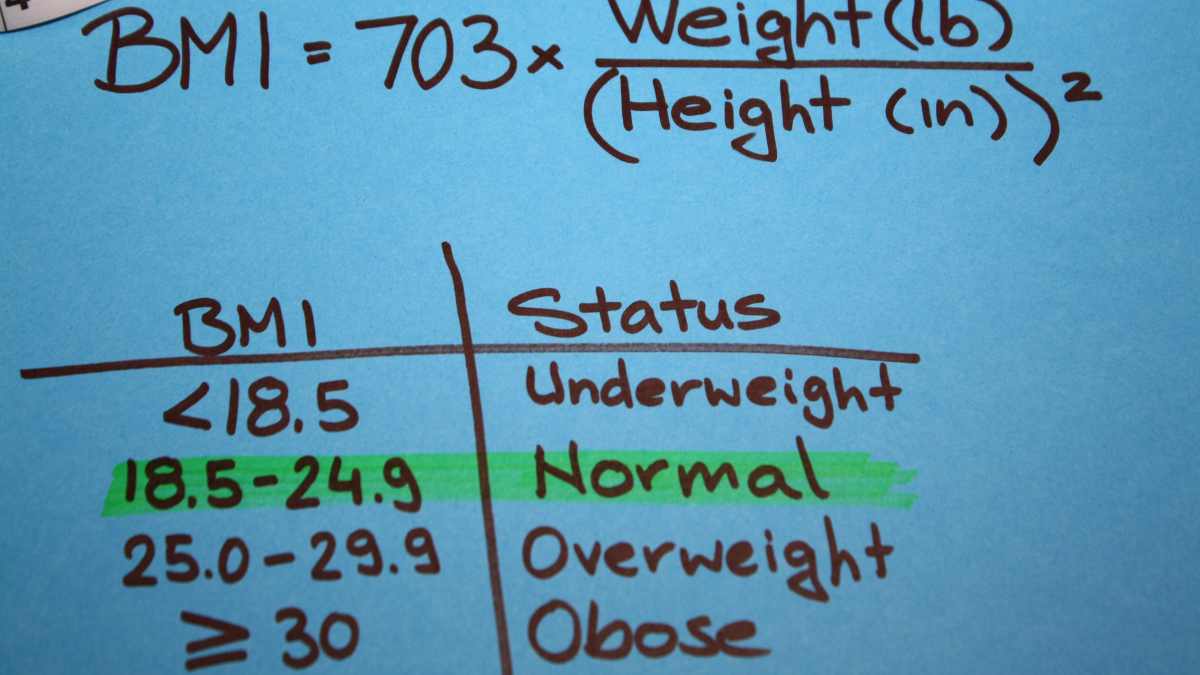
BMI is calculated using a simple formula: weight in kilograms divided by the square of height in meters. This numerical value allows for a standardized comparison of body weight across different populations. While BMI is a useful initial screening tool, it does not directly measure body fat or account for muscle mass, bone density, and distribution of fat throughout the body. Thus, while BMI can provide a general indication of body weight status, it has its limitations.
The World Health Organization (WHO) classifies BMI into several categories: underweight (BMI < 18.5), normal weight (BMI 18.5–24.9), overweight (BMI 25–29.9), and obesity (BMI ≥ 30). Each category is associated with different health risks, which can guide healthcare professionals in assessing individual health status. It is crucial to understand that BMI is not a definitive measure of health; rather, it serves as a starting point for further evaluation.
In clinical settings, BMI is often used in conjunction with other assessments, such as waist circumference and body fat percentage, to provide a more comprehensive view of an individual's health. These additional metrics can reveal important information about fat distribution, which is a key factor in determining health risks associated with obesity. Therefore, while BMI is a valuable tool, it should be interpreted with caution and in the context of other health indicators.
Moreover, cultural and demographic factors can influence BMI interpretations. For example, certain ethnic groups may have different body composition profiles, leading to variations in health risk at similar BMI levels. It is essential for healthcare providers to consider these factors when assessing an individual's health based on BMI.
Defining BMI Categories: What Does a 32 Indicate?
A BMI of 32 categorizes an individual as obese, specifically falling within the Class 1 obesity range (BMI 30–34.9). This classification is significant as it indicates a higher likelihood of developing various health conditions compared to individuals with a normal BMI. It is important to recognize that obesity is not merely a cosmetic issue; it is a complex health condition that can lead to serious medical complications.
Individuals with a BMI of 32 may experience increased risks for chronic diseases such as type 2 diabetes, hypertension, and cardiovascular disease. The accumulation of excess body fat, particularly visceral fat, can lead to insulin resistance, increased blood pressure, and elevated cholesterol levels. These factors contribute to a higher risk of developing metabolic syndrome, a cluster of conditions that increase the risk of heart disease and diabetes.
Additionally, psychological factors can also play a role in the implications of a BMI of 32. Individuals in this category may experience stigma or discrimination, which can negatively impact mental health and lead to issues such as depression and anxiety. Understanding the psychological dimensions of obesity is crucial for providing holistic care and support to affected individuals.
It is also essential to note that BMI is not a static measure; it can change over time due to various factors such as aging, lifestyle modifications, and medical interventions. Therefore, regular monitoring and assessment are vital for individuals with a BMI of 32 to ensure timely interventions and support.
Health Risks Associated with a BMI of 32 or Higher
The health risks associated with a BMI of 32 are multifaceted and can significantly impact an individual's quality of life. One of the most concerning risks is the development of cardiovascular diseases. Obesity can lead to increased blood pressure, higher cholesterol levels, and inflammation, all of which are risk factors for heart disease. Research has consistently shown that individuals with higher BMIs are more likely to experience heart-related issues, including heart attacks and strokes.
Another major health concern linked to a BMI of 32 is the increased likelihood of developing type 2 diabetes. Excess body fat, particularly around the abdomen, can lead to insulin resistance, making it challenging for the body to regulate blood sugar levels effectively. This condition can progress to diabetes, which carries its own set of complications, including neuropathy, kidney damage, and vision problems.
Moreover, individuals with a BMI of 32 may also face a higher risk of certain cancers. Studies have indicated that obesity is associated with an increased risk of cancers such as breast, colon, and endometrial cancer. The mechanisms behind this association are complex and may involve hormonal changes, inflammation, and insulin resistance, among other factors.
Finally, obesity can also lead to musculoskeletal problems, particularly osteoarthritis. The excess weight places additional stress on joints, particularly in the knees and hips, leading to pain and reduced mobility. This can create a vicious cycle where decreased mobility further contributes to weight gain, exacerbating the health risks associated with a higher BMI.
The Role of Body Composition in BMI Interpretation
While BMI provides a general overview of weight status, it does not account for body composition, which is critical in understanding health risks. Body composition refers to the proportion of fat, muscle, bone, and other tissues in the body. Two individuals with the same BMI may have vastly different body compositions, leading to different health implications.
For instance, a person with a high muscle mass may have a BMI that categorizes them as overweight or obese, despite having a low body fat percentage and being in excellent health. Conversely, an individual with a similar BMI but a higher fat percentage may face greater health risks. Therefore, it is essential to consider body composition alongside BMI to gain a more accurate understanding of health.
Techniques such as dual-energy X-ray absorptiometry (DEXA), bioelectrical impedance analysis, and skinfold measurements can provide valuable insights into body composition. These methods can help differentiate between lean mass and fat mass, offering a more nuanced view of an individual's health status. For those with a BMI of 32, assessing body composition can help tailor interventions to reduce body fat while preserving muscle mass.
Additionally, understanding body composition can inform exercise and nutrition strategies. For example, individuals with a higher muscle mass may benefit from strength training to maintain their muscle while focusing on fat loss. Conversely, those with a higher fat percentage may need to adopt a different approach to achieve a healthier body composition.
Ultimately, integrating body composition analysis with BMI assessments can lead to more personalized and effective health interventions. This holistic approach can empower individuals to make informed decisions about their health and well-being.
Evaluating Lifestyle Factors Beyond BMI Measurements
While BMI serves as a useful screening tool, it is essential to evaluate lifestyle factors that contribute to an individual's overall health. Diet, physical activity, sleep quality, and stress management are all critical components that influence body weight and health outcomes. Individuals with a BMI of 32 may benefit from a comprehensive assessment of these lifestyle factors to identify areas for improvement.
Diet plays a pivotal role in weight management and overall health. A balanced diet rich in whole foods, including fruits, vegetables, lean proteins, and whole grains, can support weight loss and improve metabolic health. Conversely, a diet high in processed foods, sugars, and unhealthy fats can contribute to weight gain and associated health risks. Understanding dietary habits and making informed choices can significantly impact an individual's BMI and overall health.
Physical activity is another crucial factor in managing a BMI of 32. Regular exercise can help burn calories, build muscle, and improve cardiovascular health. The Centers for Disease Control and Prevention (CDC) recommends at least 150 minutes of moderate-intensity aerobic activity per week, combined with muscle-strengthening activities on two or more days. Incorporating physical activity into daily routines can enhance weight management efforts and promote overall well-being.
Sleep quality and stress management are often overlooked but are vital components of a healthy lifestyle. Poor sleep can disrupt hormonal balance, leading to increased appetite and weight gain. Similarly, chronic stress can trigger emotional eating and unhealthy coping mechanisms. Prioritizing sleep hygiene and stress-reduction techniques can support weight management and improve overall health outcomes.
In summary, evaluating lifestyle factors beyond BMI measurements is essential for a comprehensive understanding of health. By addressing diet, physical activity, sleep, and stress, individuals with a BMI of 32 can take proactive steps toward improving their health and reducing associated risks.
Recommendations for Managing a BMI of 32 Effectively
Managing a BMI of 32 effectively requires a multifaceted approach that encompasses dietary changes, physical activity, and behavioral modifications. One of the first steps is to adopt a balanced and sustainable eating plan. This may involve working with a registered dietitian to develop a personalized nutrition plan that emphasizes whole foods, portion control, and mindful eating practices. Setting realistic goals and making gradual changes can lead to long-term success.
Incorporating regular physical activity into daily routines is equally important. Individuals with a BMI of 32 should aim to engage in a combination of aerobic exercises, such as walking, swimming, or cycling, along with strength training exercises. Finding enjoyable activities can enhance adherence and make exercise a more integral part of daily life. Additionally, incorporating movement throughout the day, such as taking the stairs or walking during breaks, can contribute to overall activity levels.
Behavioral modifications, such as setting specific, measurable goals and tracking progress, can also aid in managing a BMI of 32. Keeping a food diary, using fitness apps, or joining support groups can provide accountability and encouragement. Developing a strong support system, whether through family, friends, or healthcare professionals, can enhance motivation and provide valuable resources for maintaining healthy habits.
Lastly, it is essential to approach weight management with a positive mindset. Focusing on health improvements rather than solely on weight loss can foster a healthier relationship with food and body image. Celebrating non-scale victories, such as increased energy levels, improved mood, and enhanced physical fitness, can reinforce positive behaviors and encourage continued progress.
Conclusions:
In conclusion, a BMI of 32 categorizes an individual as obese, which carries various health risks and implications. While BMI is a useful screening tool, it is essential to consider body composition, lifestyle factors, and overall health when assessing an individual's well-being. By adopting a comprehensive approach that includes dietary changes, regular physical activity, and behavioral modifications, individuals can effectively manage their BMI and reduce associated health risks. Ultimately, fostering a positive mindset and focusing on holistic health can lead to sustainable improvements in well-being.
Read more
-
World Health Organization – BMI Classification
This resource provides an overview of obesity and overweight, including BMI classifications and their implications for health. -
Centers for Disease Control and Prevention – About Adult BMI
The CDC offers a comprehensive guide on BMI, including how to calculate it and its significance in assessing health risks. -
National Heart, Lung, and Blood Institute – Health Risks of Overweight
This resource outlines the health risks associated with being overweight and obese, emphasizing the importance of weight management. -
American Heart Association – Obesity and Heart Disease
The American Heart Association provides information on the relationship between obesity and heart disease, highlighting the importance of maintaining a healthy weight. -
Mayo Clinic – Obesity: Causes, Symptoms, and Treatments
This article from the Mayo Clinic discusses the causes and symptoms of obesity, along with treatment options and lifestyle changes to manage weight effectively.