

Introduction:
The Body Mass Index (BMI) is a widely used tool for categorizing individuals based on their weight relative to their height. While a BMI of 17 falls within the underweight category, the question of whether such a value is considered attractive is complex and multifaceted. This article aims to explore the implications of a low BMI, the associated health risks, cultural perceptions of beauty, psychological effects, the influence of media, and alternative methods for assessing health and attractiveness.
Understanding Body Mass Index and Its Implications
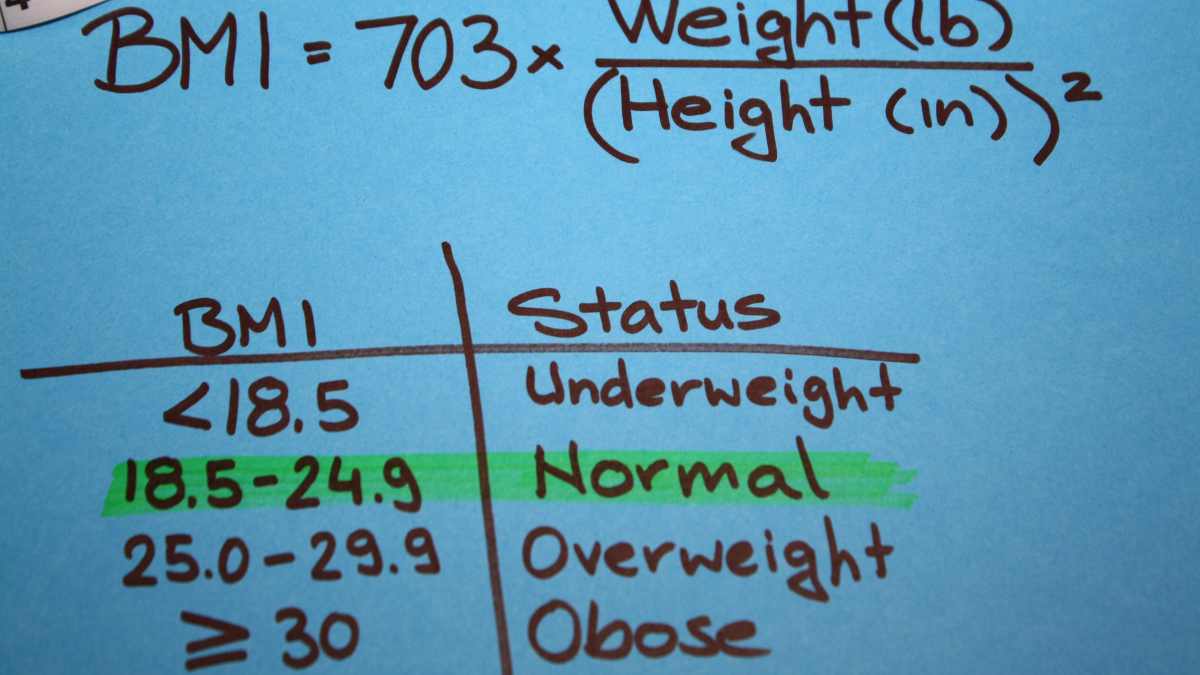
BMI is calculated by taking a person’s weight in kilograms and dividing it by the square of their height in meters. This simple formula provides a numerical value that categorizes individuals into various weight classes: underweight, normal weight, overweight, and obese. A BMI of 17 indicates that an individual is significantly underweight, which can be a cause for concern regarding their overall health.
While BMI is a useful screening tool, it does not account for factors such as muscle mass, bone density, and fat distribution. Consequently, it can sometimes misrepresent an individual’s health status. For instance, athletes may have a high BMI due to increased muscle mass, while someone with a low BMI may not necessarily be unhealthy. Understanding the limitations of BMI is crucial for a more nuanced view of health and attractiveness.
Moreover, the implications of a low BMI extend beyond mere numbers. Individuals with a BMI of 17 may face societal pressures to conform to certain beauty standards, often leading to unhealthy behaviors such as restrictive dieting or excessive exercise. This can create a cycle of dissatisfaction and further weight loss, perpetuating a harmful relationship with food and body image.
In summary, while BMI serves as a starting point for assessing weight-related health risks, it is essential to consider the broader context of individual health and well-being. Recognizing the limitations of BMI can lead to a more comprehensive understanding of what constitutes attractiveness and health.
The Health Risks Associated with Low BMI Values
A BMI of 17 is often associated with several health risks that can adversely affect an individual’s physical and mental well-being. Underweight individuals may experience nutritional deficiencies, weakened immune systems, and decreased muscle strength. These health issues can lead to increased susceptibility to infections and prolonged recovery times from illness.
Furthermore, low BMI values can be indicative of underlying medical conditions such as eating disorders, hyperthyroidism, or gastrointestinal issues. These conditions can exacerbate the health risks associated with being underweight, making it essential for individuals with a BMI of 17 to seek medical advice and support. Early intervention is crucial for addressing these potential health concerns.
In addition to physical health risks, low BMI can also have psychological implications. Individuals may experience anxiety, depression, or low self-esteem related to their body image. This can create a vicious cycle where mental health issues contribute to further weight loss, leading to a decline in overall health. Recognizing the interconnectedness of physical and mental health is vital in addressing the risks associated with low BMI.
Ultimately, while societal perceptions may influence the attractiveness of a low BMI, the associated health risks should not be overlooked. Prioritizing health over societal standards can lead to a more balanced and fulfilling life.
Cultural Perspectives on Attractiveness and Body Image
Attractiveness is a subjective concept that varies significantly across different cultures and time periods. In some societies, a low BMI may be celebrated as a symbol of beauty and success, while in others, it may be viewed as unhealthy or undesirable. Cultural norms and values play a significant role in shaping perceptions of body image and attractiveness.
Historically, the ideal body type has shifted dramatically, influenced by factors such as fashion trends, celebrity culture, and social media. In recent years, there has been a growing movement towards body positivity, which advocates for the acceptance of all body types, regardless of size. This shift challenges traditional notions of beauty and encourages individuals to embrace their unique bodies.
However, the pressure to conform to specific beauty standards remains pervasive. Many individuals, particularly young women, may feel compelled to achieve an unattainable ideal, leading to unhealthy behaviors and negative self-perception. Understanding the cultural context of beauty can help individuals navigate these pressures and foster a healthier relationship with their bodies.
In conclusion, cultural perspectives on attractiveness are complex and fluid. Recognizing the influence of societal norms can empower individuals to define their own standards of beauty, ultimately promoting a more inclusive and diverse understanding of attractiveness.
Psychological Effects of Low BMI on Self-Perception
The psychological implications of having a low BMI can be profound and far-reaching. Individuals with a BMI of 17 may struggle with issues related to self-worth and body image, often internalizing societal standards of beauty that equate thinness with attractiveness. This can lead to a distorted self-image, where individuals perceive themselves as less attractive or valuable based on their weight.
Moreover, the pursuit of an ideal body can result in disordered eating patterns, such as restrictive dieting or binge eating, which can further exacerbate mental health issues. Individuals may find themselves trapped in a cycle of weight loss and gain, leading to feelings of guilt and shame. Addressing these psychological effects is crucial for promoting overall well-being.
Additionally, low BMI can contribute to social isolation and stigma. Individuals may feel judged or ostracized based on their appearance, leading to anxiety and depression. This social pressure can create a sense of inadequacy, further impacting self-esteem and mental health. Fostering supportive environments where individuals feel accepted regardless of their size can help mitigate these negative effects.
Ultimately, the psychological impact of low BMI extends beyond mere numbers. Promoting self-acceptance and mental well-being is essential for individuals navigating the complexities of body image and attractiveness.
The Role of Media in Shaping Beauty Standards Today
The media plays a significant role in shaping societal beauty standards, often perpetuating unrealistic ideals of thinness and perfection. Images of models and celebrities with low BMI values are frequently showcased in advertisements, magazines, and social media, reinforcing the notion that thinness equates to beauty. This pervasive imagery can have a profound impact on individuals’ self-perception and body image.
Social media platforms, in particular, have amplified the pressure to conform to specific beauty standards. The rise of influencers and fitness models often promotes a narrow definition of attractiveness, leading to comparisons and feelings of inadequacy among followers. The curated nature of social media can create unrealistic expectations and contribute to a culture of body dissatisfaction.
However, there is a growing movement within the media to challenge traditional beauty standards and promote body diversity. Campaigns advocating for body positivity and inclusivity are gaining traction, encouraging individuals to embrace their unique bodies. This shift represents a critical step towards redefining attractiveness and fostering a more inclusive dialogue around body image.
In conclusion, while the media has historically contributed to narrow beauty standards, there is potential for change. Promoting diverse representations of beauty can empower individuals to embrace their bodies and challenge societal norms.
Alternatives to BMI for Assessing Health and Attractiveness
While BMI is a commonly used metric, it is not the only method for assessing health and attractiveness. Alternatives such as body composition analysis, waist-to-hip ratio, and overall fitness levels provide a more comprehensive understanding of an individual’s health. These methods take into account factors such as muscle mass, fat distribution, and physical activity, offering a more nuanced view of health.
Body composition analysis, for instance, measures the proportion of fat to lean mass in the body. This method can provide valuable insights into an individual’s health status, as it distinguishes between healthy and unhealthy weight. Understanding body composition can help individuals set realistic health goals that prioritize well-being over societal standards.
Additionally, the waist-to-hip ratio is another useful metric for assessing body fat distribution and potential health risks. This measurement can indicate whether an individual is at risk for conditions such as heart disease or diabetes, regardless of their BMI. Focusing on health metrics rather than appearance can promote a more holistic approach to well-being.
Ultimately, embracing alternative methods for assessing health and attractiveness can empower individuals to prioritize their well-being. Shifting the focus from weight to overall health can lead to a more balanced and fulfilling life.
Conclusions:
The question of whether a BMI of 17 is attractive is complex and influenced by various factors, including health risks, cultural perspectives, psychological effects, media representation, and alternative health assessments. While societal standards may play a role in shaping perceptions of attractiveness, it is essential to prioritize health and well-being over numbers on a scale. By fostering a more inclusive understanding of beauty and promoting diverse representations, individuals can cultivate a healthier relationship with their bodies and self-image.
Read more
-
World Health Organization – BMI Classification
This source provides an overview of BMI classifications and their implications for health. -
National Institute of Health – Body Weight and Health
This article discusses the health risks associated with being underweight and overweight. -
American Psychological Association – Body Image
This resource explores the psychological effects of body image and societal standards of beauty. -
Body Positive Movement – What is Body Positivity?
This website offers insights into the body positivity movement and its impact on self-acceptance. -
Harvard Health Publishing – Alternatives to BMI
This article discusses alternative methods for assessing body composition and health beyond BMI.