

Introduction:
Body types have long been a topic of discussion in fitness and health circles, particularly when it comes to understanding how different physiques respond to diet and exercise. Among the three primary classifications—ectomorph, mesomorph, and endomorph—the endomorph body type often faces scrutiny and stigma. This article aims to explore the endomorph classification, its characteristics, the myths surrounding it, health implications, and effective fitness strategies, ultimately advocating for a more inclusive perspective on body diversity.
Understanding Body Types: The Endomorph Classification
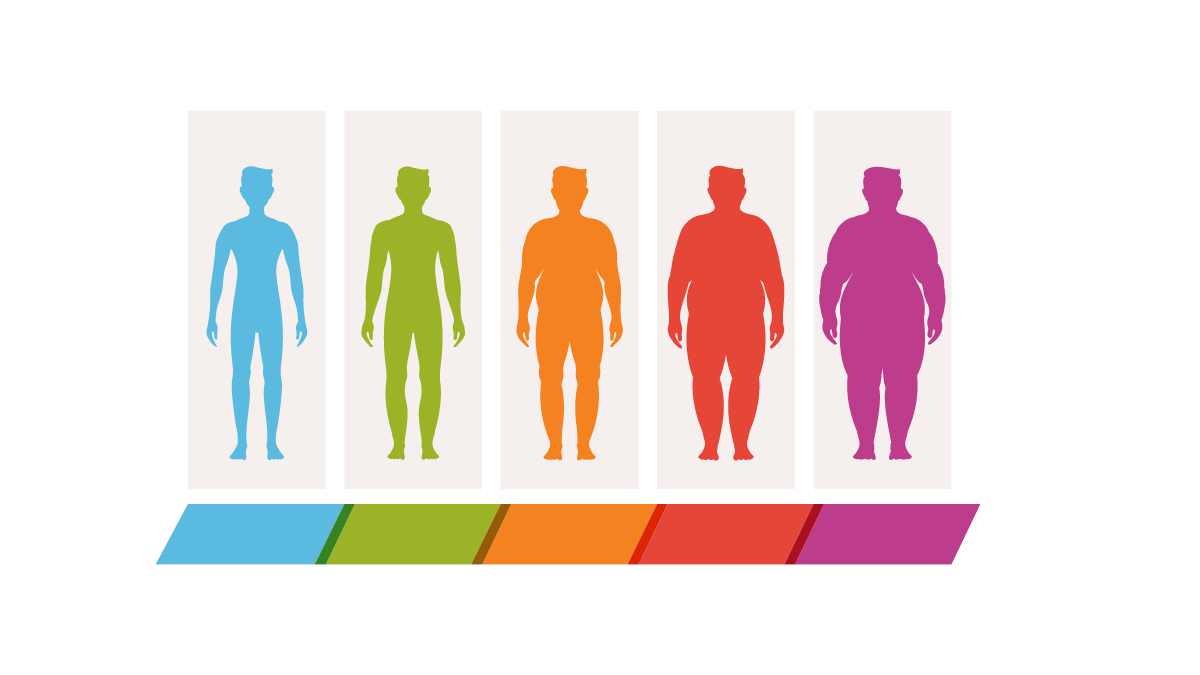
The concept of body types was popularized by American psychologist William Sheldon in the 1940s, who categorized individuals into three distinct groups based on their physical characteristics. Endomorphs are characterized by a rounder physique, broader hips, and a tendency to store fat more easily than their ectomorphic or mesomorphic counterparts. This classification is not merely aesthetic; it also encompasses metabolic and hormonal differences that can influence health and fitness outcomes.
Endomorphs typically have a higher percentage of body fat and a wider waist, which can lead to a perception of being less athletic or fit. However, it is essential to recognize that body types exist on a spectrum, and most individuals do not fit neatly into one category. Understanding these classifications can aid in tailoring fitness and nutrition programs that align with an individual’s unique physiology and goals.
Critics of the body type classification system argue that it oversimplifies the complex nature of human bodies. Factors such as genetics, lifestyle, and environmental influences play significant roles in shaping an individual’s physique. Therefore, while the endomorph classification can provide useful insights, it should not be the sole determinant of one’s health or fitness potential.
In recent years, there has been a growing movement towards body positivity and acceptance, challenging the notion that one body type is superior to another. This shift encourages individuals to appreciate their bodies for what they can do rather than how they appear, promoting a more holistic view of health and well-being.
The Endomorph Body Type: Characteristics and Traits
Endomorphs are often described as having a softer, rounder appearance, with a tendency to gain weight easily. They may have a wider ribcage and a larger bone structure, which can contribute to their overall body composition. This body type is typically associated with a slower metabolism, making it more challenging for endomorphs to lose weight compared to ectomorphs or mesomorphs.
Another characteristic of endomorphs is their propensity to store fat, particularly in the abdominal area. This can lead to an increased risk of metabolic syndrome and other health issues if not managed properly. However, it is crucial to note that endomorphs can also build muscle effectively, which can enhance their overall physique and metabolic rate when combined with the right fitness strategies.
Psychologically, endomorphs may face societal pressures and stigma regarding their body type. The perception that they are less disciplined or less fit can lead to feelings of inadequacy. It is vital to address these psychological aspects, as mental health is an integral component of overall wellness. Supportive communities and positive reinforcement can help endomorphs embrace their body type while pursuing health and fitness goals.
Ultimately, the endomorph body type is just one of many variations in human physiology. Recognizing the unique traits and challenges associated with this classification can empower individuals to make informed choices about their health and fitness journeys.
Debunking Myths: Is Endomorph the Least Favorable Type?
A common myth surrounding endomorphs is that they are inherently less healthy or fit than other body types. This stereotype is not only misleading but also harmful. Health is multifaceted, and body type is only one aspect of an individual’s overall well-being. Many endomorphs lead active lifestyles, engage in regular exercise, and maintain balanced diets, proving that fitness is achievable regardless of body type.
Another misconception is that endomorphs cannot achieve athletic success. While it may be true that endomorphs face unique challenges in weight management, they can excel in various sports and physical activities. Athletic performance is influenced by numerous factors, including training, dedication, and mental resilience, rather than solely by body type. Many successful athletes, including professional bodybuilders and powerlifters, identify as endomorphs, showcasing the potential for excellence in diverse physical pursuits.
Furthermore, the idea that endomorphs should solely focus on weight loss is a narrow perspective. Instead, the focus should be on overall health, strength, and fitness. Endomorphs can benefit from strength training, cardiovascular exercises, and flexibility routines that enhance their physical capabilities and improve their quality of life.
It is essential to challenge these myths and promote a more inclusive narrative around body types. By fostering an environment that values individual strengths and encourages healthy habits, we can help dispel the notion that any body type is inferior to another.
Health Implications: Endomorphs and Metabolic Considerations
Endomorphs often face specific health challenges related to their body type, particularly concerning metabolism and fat storage. Research indicates that endomorphs may have a higher propensity for insulin resistance, which can lead to conditions such as type 2 diabetes if not managed effectively. Understanding these metabolic considerations is crucial for developing personalized health strategies.
Additionally, endomorphs may experience fluctuations in energy levels and mood, often linked to their body composition and hormonal balance. Hormonal factors, such as leptin and ghrelin levels, can influence appetite and fat storage, making it essential for endomorphs to adopt a balanced approach to nutrition and exercise. Regular monitoring of these factors can help in maintaining optimal health.
Despite these challenges, endomorphs can lead healthy lives by making informed lifestyle choices. Regular physical activity, a balanced diet rich in whole foods, and adequate sleep are essential components of a healthy lifestyle that can mitigate the risks associated with this body type. Moreover, understanding one’s unique metabolic profile can empower endomorphs to make choices that align with their health goals.
It is also important to recognize that health is not solely determined by body type. Individuals of all shapes and sizes can experience health issues, and conversely, many endomorphs can enjoy robust health. Emphasizing a holistic view of health that includes physical, mental, and emotional well-being is vital for everyone, regardless of their body type.
Fitness Strategies: Optimizing Health for Endomorphs
For endomorphs, effective fitness strategies should focus on optimizing metabolism and promoting fat loss while building muscle. A combination of strength training and cardiovascular exercise is often recommended. Strength training helps to build lean muscle mass, which can increase metabolic rate and aid in weight management. Incorporating compound movements, such as squats and deadlifts, can be particularly beneficial.
In addition to strength training, cardiovascular exercises play a crucial role in enhancing cardiovascular health and burning calories. High-Intensity Interval Training (HIIT) has gained popularity for its efficiency in burning fat while preserving muscle mass. This approach can be particularly effective for endomorphs, as it allows for shorter, more intense workouts that fit into busy schedules.
Nutrition also plays a pivotal role in the fitness journey of endomorphs. A diet rich in whole foods, including lean proteins, healthy fats, and complex carbohydrates, can support metabolic health. Monitoring portion sizes and being mindful of caloric intake can help endomorphs manage their weight effectively. Additionally, incorporating fiber-rich foods can promote satiety and aid in digestion.
Finally, consistency and patience are key. Endomorphs may not see immediate results, but with dedication to a balanced fitness and nutrition regimen, they can achieve their health goals. Setting realistic and attainable objectives can foster a positive mindset and encourage long-term commitment to a healthy lifestyle.
Conclusions:
In conclusion, the notion that the endomorph body type is the "worst" is a misconception rooted in societal biases and misunderstandings. Each body type has its unique characteristics, challenges, and strengths. By embracing diversity in body types and focusing on health rather than appearance, we can foster a more inclusive and supportive environment for all individuals. Endomorphs, like everyone else, can lead healthy, fulfilling lives by adopting personalized fitness strategies and nurturing a positive relationship with their bodies.
Read more
- Body Types and Their Impact on Health – An overview of the three primary body types and their implications for health and fitness.
- Understanding Endomorphs: Myths and Facts – A detailed examination of the endomorph body type, debunking common myths.
- Nutrition for Endomorphs: Tips and Strategies – Practical advice on nutrition tailored for endomorphs.
- The Science Behind Body Types and Metabolism – A scientific exploration of how body types affect metabolism and health.
- Fitness Strategies for Endomorphs – A comprehensive guide to effective fitness strategies for endomorphs.