

Se hai un abbonamento attivo ACCEDI QUI
Introduction:
In recent years, the term "pre-obesity" has emerged as a significant topic in discussions surrounding weight management and health. Defined as a condition where an individual’s body mass index (BMI) is above the normal range but not yet classified as obese, pre-obesity serves as a warning sign for potential health complications. Understanding the implications of this classification is crucial for both individuals and healthcare professionals. This article delves into the definition of pre-obesity, its health risks, metabolic impacts, psychological effects, and effective management strategies, while also highlighting future research directions.
Understanding Pre-Obesity: Definition and Implications
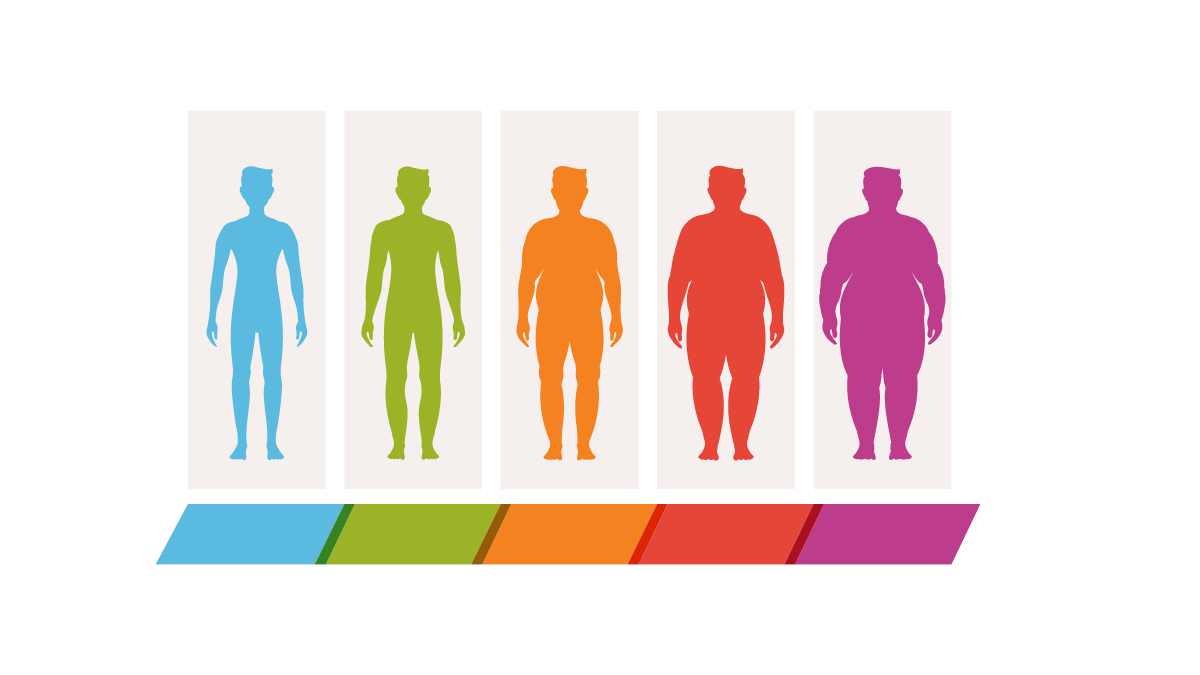
Pre-obesity is generally characterized by a BMI ranging from 25 to 29.9. This classification indicates that an individual is overweight but not yet at the obesity threshold. The implications of being categorized as pre-obese extend beyond mere numbers on a scale; they encompass a spectrum of health risks that can escalate if not addressed. Recognizing pre-obesity as a critical stage in the continuum of weight-related health issues is essential for timely intervention.
The term also reflects societal and clinical attitudes toward weight management. Many individuals may not perceive themselves as being at risk when classified as pre-obese, leading to a false sense of security. This misconception can hinder proactive health measures and lifestyle changes that could mitigate the progression to full obesity. Public health campaigns often emphasize the need for awareness regarding weight categories and their associated risks.
Moreover, pre-obesity is often linked to lifestyle factors such as poor diet, physical inactivity, and genetic predispositions. Understanding these underlying causes can empower individuals to make informed decisions about their health. Health professionals play a pivotal role in educating patients about the significance of pre-obesity and the importance of early intervention.
Finally, the implications of pre-obesity extend to healthcare systems as well. Increased prevalence of pre-obesity can strain healthcare resources, leading to higher costs associated with managing related health conditions. Addressing pre-obesity effectively could alleviate some of this burden, emphasizing the need for comprehensive public health strategies.
The Health Risks Associated with Pre-Obesity
Research indicates that individuals classified as pre-obese face a range of health risks that can significantly impact their quality of life. Cardiovascular diseases, type 2 diabetes, and hypertension are among the most concerning conditions linked to pre-obesity. These health issues arise due to the increased fat accumulation around vital organs, which can lead to metabolic dysfunction.
In addition to these chronic conditions, pre-obesity can also contribute to musculoskeletal problems. Excess weight can place additional strain on joints, leading to conditions such as osteoarthritis. This can result in chronic pain and reduced mobility, further complicating the individual’s ability to engage in physical activity, thus perpetuating a cycle of weight gain.
Furthermore, the risk of developing certain cancers has been associated with pre-obesity. Research suggests that excess body weight can alter hormone levels and inflammatory markers, creating an environment conducive to cancer development. This highlights the need for early intervention and lifestyle modifications to mitigate these risks.
Lastly, the health risks associated with pre-obesity are not confined to physical health. The potential for developing co-morbid mental health conditions, such as anxiety and depression, is also significant. The stigma surrounding weight can exacerbate these psychological issues, making it imperative to address both physical and mental health in management strategies.
Pre-Obesity and Its Impact on Metabolic Health
Metabolic health is a critical aspect often compromised in individuals with pre-obesity. Insulin resistance is one of the primary concerns, as it can lead to elevated blood sugar levels and ultimately type 2 diabetes. This condition is characterized by the body’s diminished ability to respond to insulin, a hormone crucial for regulating blood glucose.
Moreover, pre-obesity can disrupt lipid metabolism, leading to dyslipidemia characterized by elevated triglycerides and low levels of high-density lipoprotein (HDL) cholesterol. These changes in lipid profiles significantly increase the risk of cardiovascular diseases. Understanding the metabolic implications of pre-obesity is essential for developing targeted interventions.
Inflammation is another critical factor in the metabolic health of pre-obese individuals. Excess adipose tissue produces pro-inflammatory cytokines, contributing to systemic inflammation. This chronic low-grade inflammation is linked to various metabolic disorders and can further complicate weight management efforts.
Finally, the impact of pre-obesity on metabolic health underscores the importance of regular monitoring and assessment. Healthcare providers must be vigilant in evaluating metabolic parameters in pre-obese patients to implement timely interventions. This proactive approach can help prevent the progression to obesity and its associated complications.
Psychological Effects of Being Classified as Pre-Obese
The psychological ramifications of being classified as pre-obese can be profound. Individuals may experience feelings of shame, guilt, or inadequacy, which can negatively impact their self-esteem. The societal stigma surrounding weight can lead to a cycle of negative body image and mental health struggles.
Moreover, the classification itself can create a sense of urgency or anxiety about weight loss, potentially leading to unhealthy dieting practices. Many individuals may resort to extreme measures in an attempt to conform to societal standards, which can be detrimental to both physical and mental health. This highlights the need for a balanced approach to weight management that prioritizes overall well-being.
Support systems play a crucial role in mitigating the psychological effects of pre-obesity. Encouragement from friends, family, and healthcare professionals can foster a positive mindset and promote healthier lifestyle choices. Creating a supportive environment can help individuals navigate their weight management journey more effectively.
Lastly, addressing the psychological aspects of pre-obesity is essential for holistic health management. Therapeutic interventions, such as cognitive-behavioral therapy, can be beneficial in helping individuals develop healthier relationships with food and body image. This comprehensive approach can lead to more sustainable weight management outcomes.
Strategies for Managing Pre-Obesity Effectively
Effective management of pre-obesity requires a multifaceted approach that encompasses dietary, physical, and behavioral strategies. A balanced diet rich in whole foods, including fruits, vegetables, lean proteins, and whole grains, is fundamental. Reducing the intake of processed foods and sugars can significantly aid in weight management and improve overall health.
Incorporating regular physical activity is equally important. Engaging in at least 150 minutes of moderate-intensity exercise per week can help individuals achieve and maintain a healthy weight. Activities such as walking, swimming, and strength training can enhance metabolic health and support weight loss efforts.
Behavioral strategies also play a critical role in managing pre-obesity. Setting realistic goals, practicing mindful eating, and tracking food intake can help individuals stay accountable. Developing a personalized plan that considers individual preferences and lifestyles can enhance adherence to healthy habits.
Lastly, seeking professional guidance from healthcare providers, nutritionists, or personal trainers can provide valuable support. These professionals can offer tailored advice and strategies to help individuals navigate their weight management journey effectively. A collaborative approach fosters a sense of community and accountability, which can be instrumental in achieving long-term success.
Future Research Directions on Pre-Obesity Consequences
As the prevalence of pre-obesity continues to rise, further research is essential to understand its long-term consequences fully. Investigating the biological mechanisms underlying pre-obesity can provide insights into its relationship with various chronic diseases. Understanding these pathways can inform the development of targeted interventions and treatments.
Additionally, exploring the social determinants of health related to pre-obesity is crucial. Factors such as socioeconomic status, access to healthy foods, and cultural attitudes toward weight can significantly influence an individual’s risk of pre-obesity. Future research should focus on these determinants to develop comprehensive public health strategies.
Moreover, the psychological aspects of pre-obesity warrant further investigation. Understanding the mental health implications and effective therapeutic interventions can enhance holistic management approaches. Research in this area can lead to more effective support systems for individuals navigating the challenges of pre-obesity.
Finally, longitudinal studies examining the progression from pre-obesity to obesity and associated health outcomes are necessary. Such research can provide valuable data on the effectiveness of early interventions and inform public health policies. By addressing these research gaps, we can better understand and combat the growing issue of pre-obesity.
Conclusions:
Pre-obesity is a critical health classification that warrants attention due to its associated risks and implications. Understanding the definition, health risks, metabolic impacts, psychological effects, and effective management strategies is essential for individuals and healthcare professionals alike. As research continues to evolve, a comprehensive approach to addressing pre-obesity can lead to improved health outcomes and quality of life.
Read more
-
Centers for Disease Control and Prevention (CDC) – Overweight and Obesity
This resource provides a comprehensive overview of obesity classifications, including pre-obesity, and their health implications. -
World Health Organization (WHO) – Obesity and Overweight
The WHO offers valuable insights into the global impact of obesity and overweight, including definitions and health risks. -
National Institute of Diabetes and Digestive and Kidney Diseases (NIDDK) – Overweight and Obesity Statistics
This site presents statistics on overweight and obesity, emphasizing the importance of addressing pre-obesity. -
American Psychological Association (APA) – The Psychological Impact of Obesity
This article discusses the psychological effects of being classified as overweight or obese, highlighting the need for mental health support. -
Obesity Reviews – The Health Risks of Pre-Obesity
A peer-reviewed article that explores the health risks associated with pre-obesity and its implications for public health.