

Introduction:
Determining the appropriate weight for a woman standing at 5 feet 4 inches tall involves a nuanced understanding of various health metrics and individual factors. While societal standards often dictate perceptions of beauty and health, a more scientific approach is essential for establishing a healthy weight range. This article delves into the technical aspects of ideal body weight, the factors influencing it, and the implications of being underweight or overweight. By examining these elements, we aim to provide a comprehensive overview that empowers women to make informed decisions about their health.
Understanding Ideal Body Weight for Women: A Technical Overview
The concept of ideal body weight is often rooted in statistical averages derived from population studies. Body weight can be defined as the weight at which an individual is most likely to experience optimal health and well-being. Various formulas exist to estimate ideal body weight, including the Devine formula and the Hamwi method, which take into account height and gender. For a woman who is 5 ft 4 in, the ideal weight range typically falls between 110 to 145 pounds, depending on body composition and muscle mass.
It is crucial to recognize that ideal body weight is not a one-size-fits-all metric. Factors such as bone density, muscle mass, and fat distribution play significant roles in determining what is healthy for an individual. For example, athletes may weigh more due to increased muscle mass, yet still be in excellent health. Thus, the ideal weight should be viewed as a guideline rather than a strict rule.
Moreover, the concept of body weight is evolving, with increasing emphasis on health markers rather than mere numbers on a scale. Health professionals now advocate for a more holistic approach that includes physical fitness, mental well-being, and nutritional balance. This paradigm shift encourages individuals to focus on overall health rather than solely on weight.
In summary, while there are established metrics for determining ideal body weight, it is essential to consider individual differences. Understanding the technical aspects of body weight helps women make informed decisions about their health and wellness.
Factors Influencing Weight: Height, Age, and Body Composition
A variety of factors contribute to an individual’s weight, with height being one of the most significant. Height influences the distribution of body mass and the amount of space the body occupies. Taller individuals generally have a higher weight range, while shorter individuals, such as those who are 5 ft 4 in, will have a lower ideal weight range. However, height is just one piece of a larger puzzle.
Age is another critical factor that affects body weight. As women age, hormonal changes can lead to shifts in body composition, often resulting in increased fat mass and decreased muscle mass. This transition can alter what is considered a healthy weight. For instance, a woman who is 25 years old may have a different ideal weight than a woman who is 50 years old, even if they share the same height.
Body composition, which refers to the ratio of fat to lean mass in the body, is also a vital consideration. Two women of the same height and weight can have vastly different health profiles based on their body composition. A woman with a higher percentage of muscle mass may be healthier than one with a higher percentage of body fat, even if they weigh the same. This highlights the importance of focusing on overall health rather than just weight.
In conclusion, multiple factors influence weight, including height, age, and body composition. Understanding these variables is essential for establishing a realistic and healthy weight range for women.
Calculating Body Mass Index (BMI) for a 5 ft 4 Woman
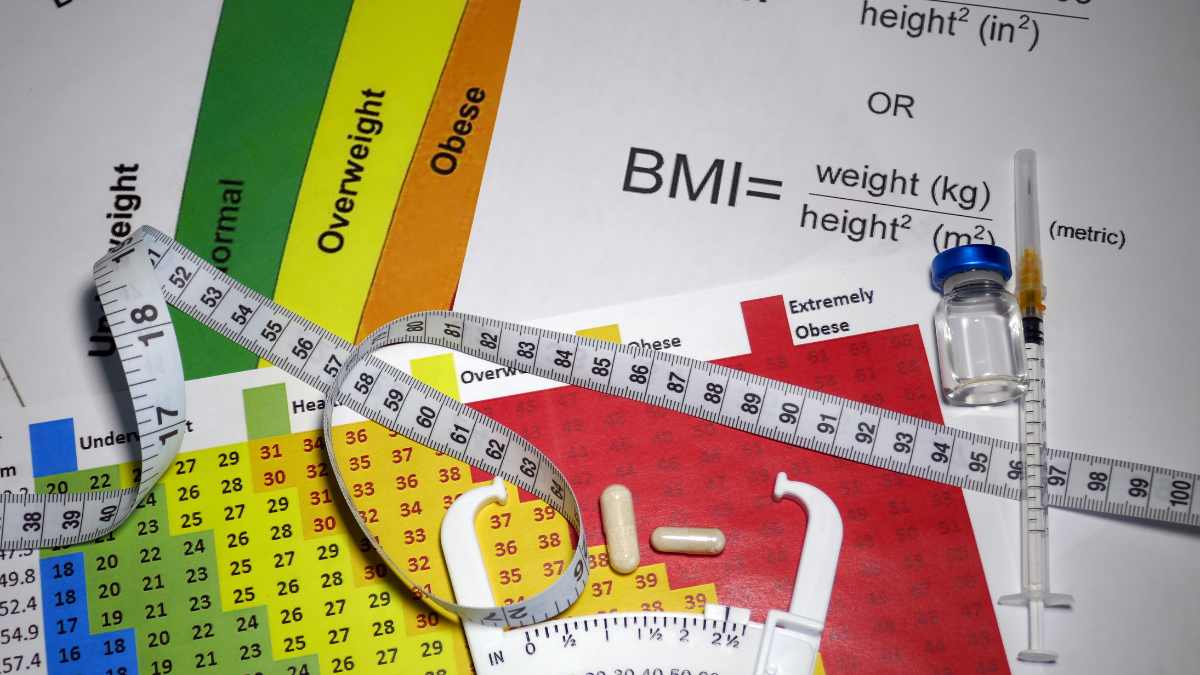
Body Mass Index (BMI) is a widely used tool for assessing weight relative to height. To calculate BMI, one divides a person’s weight in pounds by their height in inches squared and then multiplies the result by 703. For a woman who is 5 ft 4 in (64 inches), the formula can be applied to determine whether she falls within the underweight, normal, overweight, or obese categories.
For instance, if a 5 ft 4 woman weighs 130 pounds, her BMI would be calculated as follows:
[ text{BMI} = frac{130}{(64)^2} times 703 = 22.4 ]
This result places her in the "normal weight" category, which ranges from a BMI of 18.5 to 24.9. Understanding BMI can help women gauge their weight status and make informed health decisions.
However, it is essential to note that BMI has limitations. It does not account for muscle mass, bone density, or fat distribution. Consequently, a woman with a high muscle mass may be classified as overweight or obese according to BMI, even though she is in excellent health. Therefore, while BMI is a useful screening tool, it should not be the sole determinant of health.
In summary, calculating BMI provides a preliminary assessment of weight status for a woman who is 5 ft 4 in tall. However, it is crucial to consider other factors such as body composition and overall health.
Health Implications of Underweight and Overweight Status
Being underweight can pose significant health risks, including nutritional deficiencies, weakened immune function, and increased susceptibility to illness. Women who fall below the normal BMI range may experience hormonal imbalances, which can affect reproductive health. Additionally, underweight individuals may struggle with energy levels, leading to fatigue and decreased physical performance.
Conversely, being overweight or obese is associated with a host of health complications, including heart disease, diabetes, and certain cancers. Excess weight can strain the body’s systems, leading to conditions such as hypertension and sleep apnea. Moreover, psychological factors, such as body image issues and depression, are often linked to overweight status, creating a cycle of emotional and physical health challenges.
It is important to recognize that health is not solely determined by weight. Factors such as diet, physical activity, and lifestyle choices play critical roles in overall well-being. Therefore, both underweight and overweight individuals should focus on adopting healthier habits rather than solely aiming for a specific weight.
In conclusion, both underweight and overweight statuses carry health implications that can affect various aspects of life. A balanced approach that emphasizes overall health and well-being is essential for women at any weight.
Establishing a Healthy Weight Range: Guidelines and Standards
Establishing a healthy weight range involves considering various guidelines and standards set by health organizations. The World Health Organization (WHO) provides a framework for understanding weight categories based on BMI. According to WHO, a BMI of 18.5 to 24.9 is classified as normal weight, while 25 to 29.9 is considered overweight, and 30 and above is categorized as obese. These classifications serve as a starting point for assessing weight status.
In addition to BMI, other metrics such as waist circumference and body fat percentage can provide further insights into health. Waist circumference is particularly important as it helps assess abdominal fat, which is a significant risk factor for metabolic diseases. For women, a waist circumference of more than 35 inches is associated with increased health risks.
Moreover, health professionals often recommend personalized approaches to weight management. This may include consultations with dietitians, nutritionists, or personal trainers who can provide tailored advice based on individual needs and goals. Such personalized strategies can help women achieve and maintain a healthy weight while considering their unique circumstances.
In summary, establishing a healthy weight range involves utilizing guidelines and standards while also considering personalized approaches. A comprehensive understanding of weight and health can empower women to make informed decisions.
Conclusions:
In conclusion, determining the appropriate weight for a woman standing at 5 ft 4 in is a multifaceted process that requires consideration of various factors, including height, age, body composition, and health implications. While BMI provides a useful starting point, it is essential to adopt a holistic approach that emphasizes overall health and well-being. Women should focus on healthy lifestyle choices rather than solely on weight, recognizing that individual differences play a significant role in determining what is healthy for them.
Read more:
-
World Health Organization (WHO) – Body Mass Index: A comprehensive overview of BMI and its implications for health.
-
Centers for Disease Control and Prevention (CDC) – Healthy Weight: Guidelines and resources for maintaining a healthy weight.
-
National Institutes of Health (NIH) – Assessing Your Weight: A resource for calculating BMI and understanding its significance.
-
Mayo Clinic – Body Composition: An article discussing the importance of body composition in assessing health.
-
Harvard Health Publishing – The Importance of Waist Circumference: Insights into how waist circumference can indicate health risks associated with excess weight.