

Se hai un abbonamento attivo ACCEDI QUI
Introduction:
Obesity is a complex health issue that affects millions of individuals worldwide. It is characterized by an excessive accumulation of body fat, which can lead to various health complications. Understanding the different stages of obesity is crucial for effective management and prevention strategies. This article will explore the four distinct stages of obesity, highlighting their characteristics, health implications, and strategies for managing weight effectively.
Understanding Obesity: A Comprehensive Overview of Stages
Obesity is not merely a matter of excess weight; it is a multifaceted condition influenced by genetic, environmental, and behavioral factors. The classification of obesity into stages helps healthcare professionals assess the severity of the condition and tailor interventions accordingly. Each stage presents unique challenges and health risks, making it essential to recognize the progression of obesity.
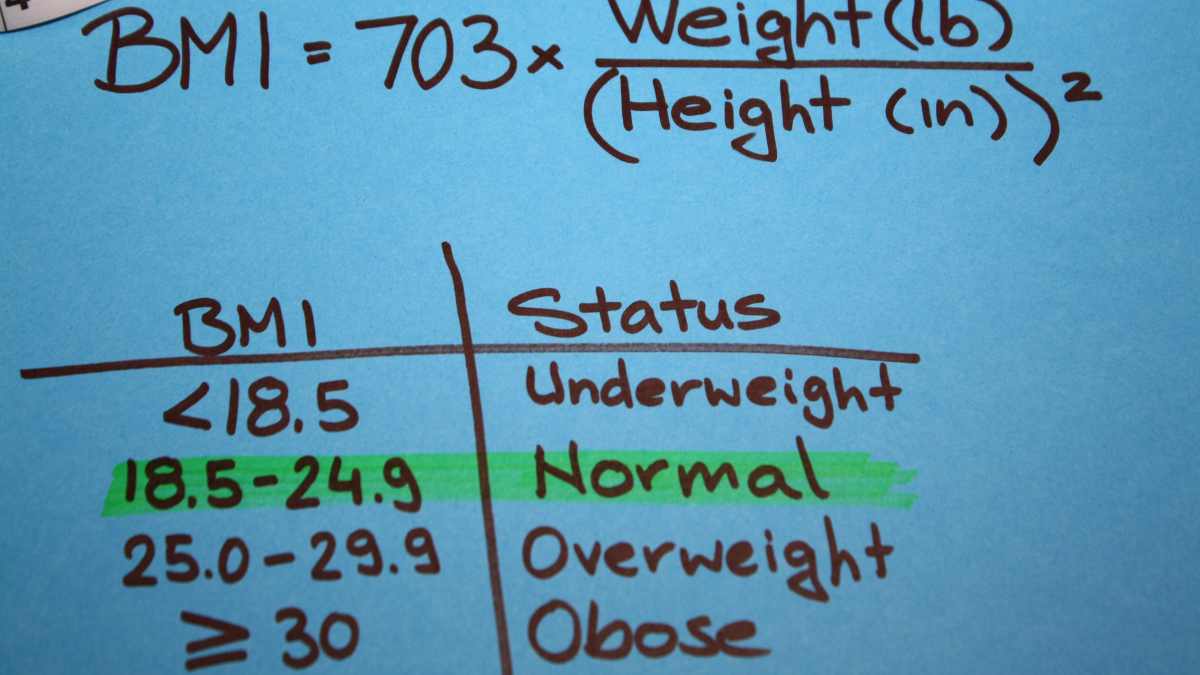
The World Health Organization (WHO) defines obesity using the Body Mass Index (BMI), a simple calculation based on height and weight. A BMI of 30 or higher indicates obesity, but the condition can be further categorized into four stages based on increasing levels of severity. Understanding these stages provides insight into the potential health risks associated with obesity and underscores the importance of early intervention.
Recognizing the stages of obesity allows for targeted prevention strategies. For instance, individuals in the initial phase may benefit from lifestyle modifications, while those in more advanced stages may require medical intervention. By understanding the progression of obesity, individuals and healthcare providers can work together to implement effective strategies for weight management.
In summary, the classification of obesity into stages is crucial for understanding its complexities. Each stage presents unique challenges and health risks, necessitating tailored approaches to management and prevention. The following sections will delve deeper into each stage of obesity, exploring their characteristics and implications for health.
Stage One: The Initial Phase of Weight Gain and Risks
The first stage of obesity is often characterized by mild weight gain and an increase in body fat percentage. Individuals in this stage may have a BMI ranging from 30 to 34.9. While they may not yet experience significant health complications, the risk of developing conditions such as hypertension, type 2 diabetes, and sleep apnea begins to rise.
At this stage, individuals may not perceive their weight gain as a significant health concern. However, early intervention is critical. Lifestyle changes, such as adopting a balanced diet and increasing physical activity, can help prevent further weight gain and mitigate health risks. Education about nutrition and exercise is essential for individuals in this stage to promote healthier habits.
Psychological factors also play a role in this initial phase. Individuals may experience feelings of frustration or low self-esteem due to their weight gain. Support from healthcare professionals, family, and friends can be invaluable in encouraging positive changes. Behavioral therapy may also be beneficial in addressing emotional eating and developing coping strategies.
In conclusion, the initial phase of weight gain is a critical time for intervention. By recognizing the signs of obesity and implementing lifestyle changes, individuals can prevent the progression to more severe stages and improve their overall health.
Stage Two: Moderate Obesity and Its Health Implications
Stage two of obesity is defined by a BMI between 35 and 39.9. At this stage, individuals may experience more pronounced health complications, including increased risk of cardiovascular diseases, joint problems, and metabolic disorders. The accumulation of excess weight can lead to significant physical limitations, affecting daily activities and overall quality of life.
In this stage, medical evaluation becomes increasingly important. Healthcare providers may recommend regular screenings for conditions such as diabetes and hypertension. Early detection and management of these conditions can prevent further complications and improve health outcomes. Pharmacological interventions may also be considered for weight management, alongside lifestyle modifications.
Individuals in stage two may face psychological challenges, including anxiety and depression related to their weight. Support groups and counseling can provide emotional support and encouragement, fostering a sense of community among individuals facing similar challenges. Behavior modification techniques can also help individuals develop healthier eating patterns and exercise routines.
In summary, moderate obesity presents significant health risks that require proactive management. By seeking medical advice and support, individuals can implement effective strategies to address their weight and improve their overall health.
Stage Three: Severe Obesity and Associated Complications
Severe obesity, classified as a BMI of 40 to 44.9, represents a critical stage in the progression of obesity. Individuals in this stage often face severe health complications, including heart disease, stroke, and certain types of cancer. The physical limitations associated with severe obesity can significantly impact daily life, leading to decreased mobility and increased dependence on others.
At this stage, comprehensive medical intervention is essential. Healthcare providers may recommend a multidisciplinary approach, involving dietitians, psychologists, and exercise specialists. Bariatric surgery may also be considered for individuals who have not achieved significant weight loss through lifestyle changes alone. This surgical intervention can provide a more permanent solution to severe obesity and its associated health risks.
Psychosocial factors are particularly relevant in stage three. Individuals may experience social stigma and discrimination, leading to feelings of isolation and hopelessness. Support networks, including therapy and peer support groups, can help individuals navigate these challenges and foster resilience. Cognitive-behavioral therapy may also be beneficial in addressing negative thought patterns related to body image and self-worth.
In conclusion, severe obesity is a critical stage that necessitates immediate and comprehensive intervention. By addressing both the physical and psychological aspects of the condition, individuals can work towards achieving better health outcomes and improving their quality of life.
Stage Four: Morbid Obesity and Critical Health Concerns
Morbid obesity is defined as a BMI of 45 or higher and is associated with the highest level of health risks. Individuals in this stage face life-threatening complications, including respiratory failure, heart failure, and severe diabetes. The physical and psychological toll of morbid obesity can be overwhelming, often leading to a diminished quality of life and increased healthcare costs.
At this stage, urgent medical intervention is critical. Healthcare providers may recommend hospitalization for severe complications or initiate discussions about surgical options, such as gastric bypass or sleeve gastrectomy. These procedures can significantly reduce weight and improve health outcomes, but they require careful consideration and commitment to lifestyle changes post-surgery.
The psychological impact of morbid obesity is profound. Individuals may struggle with feelings of shame, depression, and anxiety. Comprehensive mental health support is essential to address these issues and promote positive coping strategies. Integrated care models that combine medical and psychological support can enhance the effectiveness of treatment for individuals with morbid obesity.
In summary, morbid obesity represents the most severe stage of obesity, requiring immediate and multifaceted intervention. By addressing both the physical and psychological aspects of the condition, individuals can work towards reclaiming their health and improving their quality of life.
Strategies for Managing and Preventing Obesity Progression
Effective management and prevention of obesity progression require a multifaceted approach. Lifestyle modifications are the cornerstone of any weight management strategy. Individuals should focus on adopting a balanced diet rich in fruits, vegetables, lean proteins, and whole grains while reducing the intake of processed foods and sugary beverages. Regular physical activity, such as aerobic exercises and strength training, is essential for promoting weight loss and improving overall health.
Behavioral interventions play a crucial role in supporting individuals on their weight management journey. Techniques such as goal setting, self-monitoring, and cognitive restructuring can help individuals develop healthier habits and overcome barriers to change. Support from healthcare professionals, family, and friends can also provide motivation and encouragement.
In addition to lifestyle modifications, medical interventions may be necessary for individuals with more advanced stages of obesity. Healthcare providers may recommend pharmacotherapy to assist with weight loss or surgical options for those with severe or morbid obesity. These interventions should be combined with ongoing support and lifestyle changes to ensure long-term success.
Finally, community-based initiatives can play a vital role in preventing obesity progression. Programs that promote healthy eating, physical activity, and education about nutrition can help create supportive environments for individuals seeking to manage their weight. Collaboration between healthcare providers, schools, and community organizations is essential for fostering a culture of health and wellness.
Conclusions:
Understanding the four stages of obesity is crucial for effective management and prevention strategies. Each stage presents unique challenges and health risks, necessitating tailored approaches to intervention. By recognizing the signs of obesity and implementing lifestyle changes, individuals can prevent the progression to more severe stages and improve their overall health. Comprehensive support, both medical and psychological, is essential for individuals at all stages of obesity, ensuring they have the tools and resources needed to achieve lasting change.
Read more
- World Health Organization (WHO) – Obesity and Overweight – An overview of obesity, its causes, and health implications from the WHO.
- Centers for Disease Control and Prevention (CDC) – Adult Obesity Facts – Comprehensive statistics and information about adult obesity in the United States.
- National Institute of Diabetes and Digestive and Kidney Diseases (NIDDK) – Obesity Overview – A resource providing insights into obesity, its causes, and treatment options.
- American Heart Association – Obesity and Heart Disease – Information on the link between obesity and cardiovascular health.
- Mayo Clinic – Obesity: Causes, Symptoms, and Treatments – A detailed guide on obesity, including its causes, symptoms, and treatment options.