

Introduction:
Body Mass Index (BMI) is a widely used tool for assessing body weight in relation to height. It serves as a simple numerical measure that categorizes individuals into various weight classifications, which can help identify potential health risks associated with weight. However, the term "chubby" is subjective and can vary significantly depending on cultural and personal perceptions. In this article, we will explore the significance of BMI, define its categories, identify the range that may be considered "chubby," discuss the health implications of this classification, and examine the limitations of BMI as a health indicator. Finally, we will suggest alternative methods for assessing body composition and overall health.
Understanding Body Mass Index (BMI) and Its Significance
BMI is calculated using a straightforward formula: weight in kilograms divided by height in meters squared (kg/m²). This calculation provides a numerical value that can be used to categorize individuals into different weight classes. The significance of BMI lies in its ability to offer a quick assessment of whether an individual is underweight, normal weight, overweight, or obese. This classification can help healthcare professionals identify individuals who may be at risk for various health conditions, such as heart disease, diabetes, and hypertension.
The ease of calculating BMI has contributed to its widespread adoption in clinical settings and public health initiatives. It serves as a useful screening tool, allowing for the identification of individuals who may benefit from further evaluation and intervention. However, it is essential to recognize that BMI is not a direct measure of body fat or overall health. It does not account for factors such as muscle mass, bone density, or fat distribution, which can significantly influence an individual’s health status.
Despite its limitations, BMI remains a valuable tool for population-level assessments. Public health agencies often use BMI data to track trends in obesity and overweight within communities, informing policy decisions and health interventions. Understanding the significance of BMI is crucial for interpreting its results and recognizing its role in promoting health and well-being.
In summary, BMI is a simple yet effective measure for assessing body weight relative to height. While it provides valuable insights into potential health risks, it is essential to consider its limitations and the broader context of an individual’s health.
Defining the BMI Categories: Underweight to Obese
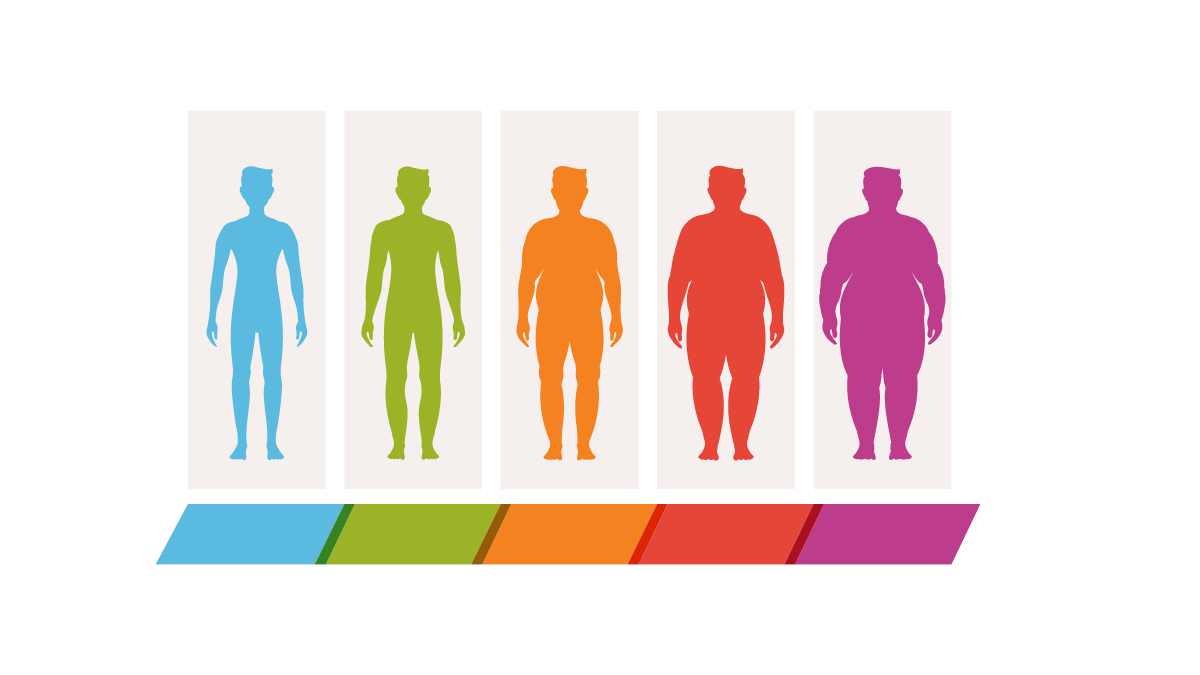
BMI categorizes individuals into several distinct groups based on their calculated values. The World Health Organization (WHO) defines these categories as follows: underweight (BMI less than 18.5), normal weight (BMI 18.5 to 24.9), overweight (BMI 25 to 29.9), and obesity (BMI 30 or greater). Each category reflects a range of weight statuses that can have varying implications for health.
The normal weight range is often considered ideal for optimal health, as individuals within this category typically have a lower risk of developing weight-related health issues. Conversely, those classified as overweight or obese may face increased risks for a variety of chronic conditions, including cardiovascular disease, type 2 diabetes, and certain cancers. Understanding these categories is essential for individuals seeking to maintain or improve their health.
The transition between categories can have significant health implications. For example, moving from the normal weight category to the overweight category may increase the risk of developing health complications. Similarly, individuals classified as obese may require more comprehensive interventions to address their weight and associated health risks. Recognizing these transitions can help individuals make informed decisions about their lifestyle and health management.
In addition to the standard categories, some health professionals may use additional classifications, such as "morbid obesity," which refers to individuals with a BMI of 40 or higher. This classification highlights the severity of obesity and the urgent need for intervention in certain cases. Understanding these categories is crucial for individuals and healthcare providers alike in promoting health and well-being.
Identifying the ‘Chubby’ Range: BMI Values Explained
The term "chubby" is often used colloquially to describe individuals who may be perceived as having excess body weight but do not necessarily fall into the overweight or obese categories. In the context of BMI, the "chubby" range typically refers to individuals with a BMI between 25 and 29.9, which classifies them as overweight. However, perceptions of what constitutes "chubby" can vary widely based on cultural norms and personal beliefs.
Individuals within the BMI range of 25 to 29.9 may have a higher percentage of body fat than those in the normal weight category. This increased body fat can lead to health risks similar to those experienced by individuals classified as obese. Therefore, while the term "chubby" may not carry the same connotations of health risk as "overweight" or "obese," it is essential to recognize that individuals in this category may still face significant health challenges.
Moreover, the perception of being "chubby" can be influenced by societal standards of beauty and body image. In some cultures, a fuller figure may be celebrated, while in others, it may be stigmatized. This subjectivity can complicate discussions around body weight and health, making it essential to approach the topic with sensitivity and understanding.
Ultimately, identifying the "chubby" range within the context of BMI requires a nuanced understanding of both the numerical values and the cultural perceptions that shape our views on body weight. Recognizing that BMI is only one measure of health can help individuals navigate their relationship with their bodies and promote a more holistic approach to well-being.
Health Implications of Being in the Chubby BMI Range
Individuals classified as "chubby" or overweight (BMI 25 to 29.9) may face various health implications that warrant attention. Research indicates that being in this weight category is associated with an increased risk of developing several chronic conditions. For instance, individuals in this range may be more susceptible to hypertension, elevated cholesterol levels, and insulin resistance, all of which can lead to serious health issues over time.
Moreover, the risk of cardiovascular disease is notably higher among those classified as overweight. Studies have shown that excess body weight can contribute to the development of atherosclerosis, a condition characterized by the buildup of plaque in the arteries, which can lead to heart attacks and strokes. Therefore, it is crucial for individuals in the "chubby" range to monitor their cardiovascular health and engage in preventive measures.
Mental health is another critical consideration for those in the overweight category. Individuals may experience body image issues, low self-esteem, and even depression as a result of societal pressures and stigma associated with being overweight. Addressing mental health is essential for overall well-being, and individuals in this category should be encouraged to seek support and resources to promote positive body image and mental health.
In conclusion, while being classified as "chubby" may not carry the same immediate health risks as obesity, it is essential to recognize the potential implications for overall health. Individuals in this range should be proactive in managing their weight and health through lifestyle changes, regular check-ups, and open discussions with healthcare providers.
Limitations of BMI: A Critical Perspective on Its Use
Despite its widespread use, BMI has several limitations that can affect its accuracy as a measure of health. One of the primary criticisms is that BMI does not differentiate between fat mass and lean body mass. For instance, athletes may have a high BMI due to increased muscle mass, yet they may have a low body fat percentage. This discrepancy can lead to misclassification, where individuals are deemed overweight or obese despite being healthy and fit.
Another limitation is that BMI does not account for fat distribution. Research suggests that where fat is stored in the body can significantly impact health risks. For example, individuals with a higher concentration of visceral fat, which surrounds internal organs, may be at greater risk for metabolic syndrome and cardiovascular disease, regardless of their overall BMI. Therefore, relying solely on BMI may overlook critical factors that contribute to an individual’s health status.
Furthermore, BMI does not consider demographic factors such as age, sex, and ethnicity, which can influence body composition and health risks. For instance, older adults may have a higher percentage of body fat than younger individuals at the same BMI, which can affect their health outcomes. Similarly, certain ethnic groups may have different body composition patterns, necessitating a more tailored approach to health assessments.
In light of these limitations, it is essential for healthcare providers and individuals to approach BMI with caution. While it can serve as a useful screening tool, it should not be the sole determinant of health. A comprehensive assessment that includes other measures of body composition and health is crucial for developing effective interventions and promoting overall well-being.
Alternatives to BMI for Assessing Body Composition and Health
Given the limitations of BMI, several alternative methods can provide a more comprehensive assessment of body composition and health. One such method is body fat percentage measurement, which can be obtained through various techniques, including skinfold calipers, bioelectrical impedance analysis, and dual-energy X-ray absorptiometry (DEXA). These methods provide a clearer picture of an individual’s body composition by distinguishing between fat mass and lean mass.
Waist circumference is another valuable measure that can help assess health risks associated with abdominal fat. Research has shown that excess abdominal fat is a significant predictor of cardiovascular disease and metabolic disorders. Monitoring waist circumference can provide insights into an individual’s risk profile, complementing BMI assessments.
Physical fitness assessments, including cardiovascular endurance, strength, and flexibility tests, can also offer valuable information about an individual’s health status. These assessments can help identify areas for improvement and guide individuals in developing personalized fitness plans that promote overall well-being.
Finally, a holistic approach to health that considers lifestyle factors such as diet, physical activity, mental health, and social determinants of health is essential for promoting long-term well-being. By integrating various assessment methods and considering the broader context of an individual’s life, healthcare providers can develop more effective interventions and support individuals in achieving their health goals.
Conclusions:
In summary, understanding BMI and its implications is essential for assessing body weight and health. While the "chubby" range typically refers to individuals with a BMI of 25 to 29.9, it is crucial to recognize the potential health risks associated with this classification. However, BMI has its limitations, and alternative methods for assessing body composition and health should be considered. A comprehensive approach that includes various assessment tools and a focus on overall well-being can help individuals navigate their health journeys more effectively.
Read more
-
World Health Organization (WHO) – BMI Classification
This resource provides official definitions and classifications for BMI, along with information on obesity and its health implications. -
Centers for Disease Control and Prevention (CDC) – About Adult BMI
The CDC offers a comprehensive overview of BMI, including how to calculate it and its relevance to health. -
National Institutes of Health (NIH) – Assessing Your Weight
This resource provides information on BMI calculations, categories, and alternative methods for assessing weight and health. -
Mayo Clinic – Body Fat Percentage: How to Measure
The Mayo Clinic discusses various methods for measuring body fat percentage and their significance in assessing health. -
Harvard Health Publishing – The Limitations of BMI
This article explores the limitations of BMI and offers insights into alternative methods for evaluating body composition and health.