

Introduction:
Body Mass Index (BMI) is a widely used metric that helps assess an individual’s body weight relative to their height. While it is a simple and cost-effective tool for evaluating weight categories, it is essential to understand the nuances of BMI, particularly when it comes to identifying concerning levels. This article delves into the technical aspects of BMI, its significance in health assessments, the thresholds that categorize individuals, the associated health risks, its limitations, and effective strategies for management.
Understanding Body Mass Index: A Technical Overview
BMI is calculated using a straightforward formula: weight in kilograms divided by the square of height in meters (kg/m²). This calculation provides a numerical value that serves as an indicator of body fatness. The simplicity of this formula is one of the reasons it has gained popularity in both clinical and public health settings. However, it is essential to recognize that BMI does not directly measure body fat; rather, it serves as a proxy for assessing body composition.
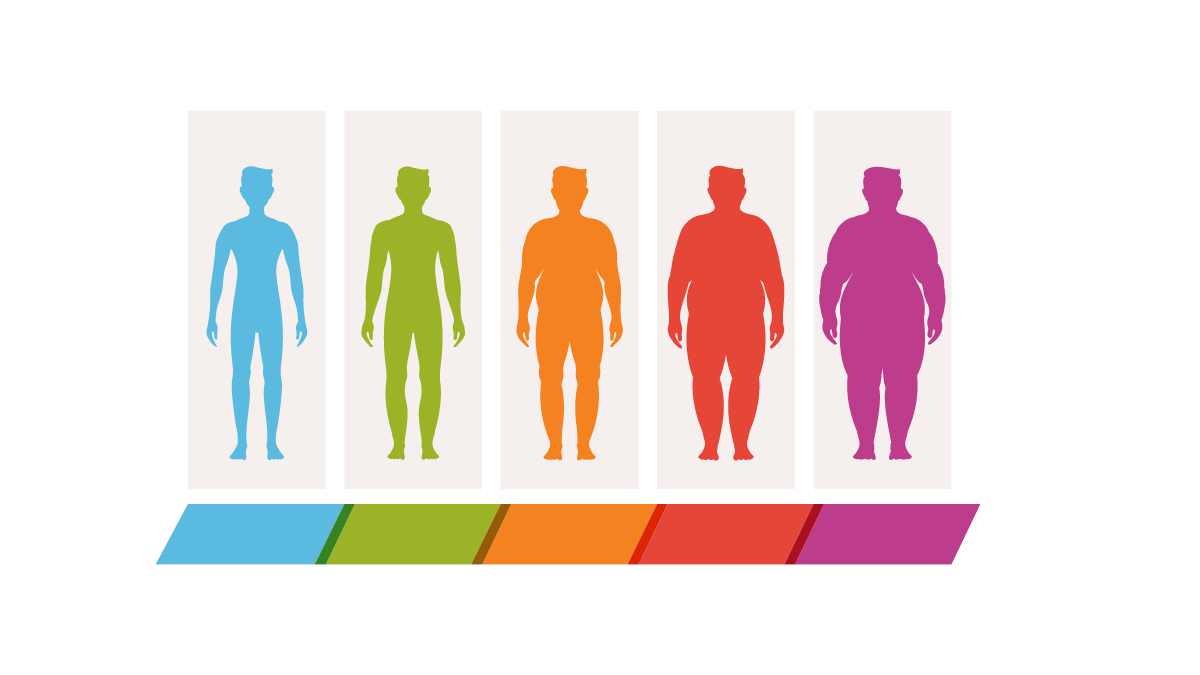
The BMI scale categorizes individuals into different groups: underweight (BMI < 18.5), normal weight (BMI 18.5–24.9), overweight (BMI 25–29.9), and obese (BMI ≥ 30). These categories are derived from statistical analyses that correlate BMI values with health outcomes. Understanding these classifications is crucial for identifying individuals who may be at risk for weight-related health issues.
Despite its widespread use, BMI has limitations that must be acknowledged. It does not account for factors such as muscle mass, bone density, and fat distribution. For instance, an athlete with a high muscle mass may be classified as overweight or obese, despite having a low body fat percentage. Therefore, while BMI is a useful screening tool, it should not be the sole determinant of an individual's health status.
In summary, BMI serves as a valuable yet imperfect tool for assessing body weight and potential health risks. A comprehensive understanding of its calculation, categories, and limitations is essential for interpreting its significance in health assessments accurately.
The Significance of BMI in Health Assessments
BMI plays a pivotal role in public health initiatives and clinical assessments. It provides a quick and efficient method for identifying individuals who may benefit from further evaluation or intervention. Health professionals often use BMI as a starting point for discussions about weight management and overall health. By categorizing individuals based on their BMI, healthcare providers can tailor recommendations and interventions to suit specific needs.
Moreover, BMI is a critical component of epidemiological studies that investigate the relationship between body weight and various health outcomes. Research consistently shows that higher BMI levels are associated with an increased risk of chronic diseases, including diabetes, hypertension, and cardiovascular diseases. As such, monitoring population-level BMI trends can inform public health policies and initiatives aimed at addressing obesity and related health issues.
The significance of BMI extends beyond individual assessments; it also serves as a valuable tool for tracking health trends in populations. Public health agencies often use BMI data to evaluate the effectiveness of health promotion programs and policies. By analyzing changes in BMI across different demographics, researchers can identify at-risk populations and allocate resources effectively.
In conclusion, BMI is a significant metric in health assessments, providing valuable insights into individual and population-level health. Its role in identifying at-risk individuals and informing public health initiatives underscores the importance of understanding BMI and its implications for overall well-being.
Identifying BMI Thresholds: Normal, Overweight, and Obese
The classification of BMI into distinct categories is crucial for identifying individuals at risk for health complications. A BMI of 18.5 to 24.9 is typically considered normal, indicating a healthy weight range. Individuals in this category are generally at a lower risk for weight-related health issues. However, it is essential to recognize that even individuals within this range can experience health problems if other risk factors are present.
When BMI values fall between 25 and 29.9, individuals are classified as overweight. This category serves as a warning sign, as those in this range may be at an increased risk for developing chronic diseases. Health professionals often recommend lifestyle modifications, such as dietary changes and increased physical activity, to help individuals transition to a healthier weight category.
Individuals with a BMI of 30 or higher are classified as obese, which is further divided into three subcategories: Class 1 (BMI 30–34.9), Class 2 (BMI 35–39.9), and Class 3 (BMI ≥ 40). Class 3 obesity is often referred to as severe or morbid obesity and is associated with the highest risk for health complications. It is crucial for individuals in these categories to receive comprehensive evaluations and interventions to address their weight and associated health risks.
In summary, understanding BMI thresholds is vital for identifying individuals who may benefit from targeted interventions. By recognizing the implications of these classifications, healthcare providers can better support individuals in achieving and maintaining a healthy weight.
Health Risks Associated with Elevated BMI Levels
Elevated BMI levels are associated with a myriad of health risks that can significantly impact an individual's quality of life. One of the most concerning risks is the development of type 2 diabetes, which is closely linked to obesity. Excess body fat, particularly visceral fat, can lead to insulin resistance, making it difficult for the body to regulate blood sugar levels effectively. This condition can result in long-term complications, including cardiovascular disease and neuropathy.
Cardiovascular health is another critical concern associated with elevated BMI. Obesity increases the likelihood of hypertension, dyslipidemia, and atherosclerosis, all of which contribute to a higher risk of heart attack and stroke. The relationship between BMI and cardiovascular health underscores the importance of weight management as a preventive measure for heart-related issues.
Moreover, individuals with elevated BMI levels are at an increased risk for certain cancers, including breast, colon, and endometrial cancers. The mechanisms behind this association are complex and may involve hormonal changes, inflammation, and insulin resistance. As such, maintaining a healthy weight is crucial for reducing the risk of developing these malignancies.
In conclusion, elevated BMI levels are linked to various health risks that can have profound implications for individuals' lives. Understanding these risks is essential for motivating individuals to pursue healthier lifestyles and seek appropriate medical interventions.
Limitations of BMI as a Sole Health Indicator
While BMI is a valuable tool for assessing body weight, it has inherent limitations that must be acknowledged. One of the primary drawbacks is that it does not differentiate between fat mass and lean body mass. As a result, individuals with high muscle mass may be inaccurately classified as overweight or obese, despite having a low body fat percentage. This limitation can lead to misinterpretations of health status and unnecessary interventions.
Additionally, BMI does not account for fat distribution, which is a critical factor in determining health risks. For instance, individuals with an apple-shaped body (excess fat around the abdomen) are at a higher risk for metabolic diseases compared to those with a pear-shaped body (fat distributed around the hips and thighs), even if both individuals have the same BMI. Therefore, relying solely on BMI can overlook important nuances in body composition and health.
Another limitation of BMI is its inability to consider demographic factors such as age, sex, and ethnicity. These factors can influence body composition and health outcomes, making it essential to interpret BMI values in context. For example, older adults may have a higher body fat percentage at a lower BMI compared to younger individuals, which can lead to underestimating health risks in older populations.
In summary, while BMI is a useful screening tool, it should not be the sole indicator of an individual's health status. A comprehensive assessment that includes additional measurements and considerations is essential for accurately evaluating health risks and developing effective interventions.
Strategies for Managing and Monitoring BMI Effectively
Effective management and monitoring of BMI require a multifaceted approach that encompasses lifestyle modifications, regular assessments, and support systems. One of the most critical strategies is adopting a balanced diet that emphasizes whole foods, including fruits, vegetables, whole grains, lean proteins, and healthy fats. Educating individuals about portion sizes and the importance of nutrient-dense foods can empower them to make healthier choices.
In addition to dietary changes, incorporating regular physical activity into daily routines is essential for managing BMI. The World Health Organization recommends at least 150 minutes of moderate-intensity aerobic activity per week for adults. Engaging in physical activity not only helps with weight management but also improves overall health and well-being. Encouraging individuals to find enjoyable activities can increase adherence to exercise regimens.
Monitoring BMI regularly can also play a crucial role in effective management. Individuals should track their weight and BMI over time to identify trends and make necessary adjustments to their lifestyle. Healthcare providers can assist by offering regular assessments and consultations to discuss progress and set achievable goals.
Support systems, including family, friends, and healthcare professionals, can significantly enhance an individual's ability to manage their BMI effectively. Group programs, such as weight loss support groups or fitness classes, can provide motivation and accountability. Involving a healthcare provider can also ensure that individuals receive personalized guidance and support tailored to their unique needs.
In conclusion, managing and monitoring BMI effectively requires a comprehensive strategy that includes dietary changes, physical activity, regular assessments, and support systems. By adopting a holistic approach, individuals can work towards achieving and maintaining a healthy weight.
Conclusions:
Understanding BMI and its implications is crucial for identifying concerning levels and associated health risks. While it serves as a valuable screening tool, it is essential to recognize its limitations and adopt a comprehensive approach to health assessments. By implementing effective strategies for managing and monitoring BMI, individuals can take proactive steps towards improving their overall health and well-being.
Read more
-
Centers for Disease Control and Prevention (CDC) – About Adult BMI
This resource provides an overview of BMI, including how it is calculated and its significance in health assessments.
CDC – About Adult BMI -
World Health Organization (WHO) – Obesity and Overweight
The WHO offers extensive information on obesity, its health implications, and strategies for prevention and management.
WHO – Obesity and Overweight -
National Institutes of Health (NIH) – Understanding Adult BMI
This NIH resource explains the importance of BMI in health assessments and its limitations as a sole indicator.
NIH – Understanding Adult BMI -
Mayo Clinic – Body Mass Index (BMI)
The Mayo Clinic provides a comprehensive guide to BMI, including its calculation, categories, and health implications.
Mayo Clinic – Body Mass Index (BMI) -
Harvard Health Publishing – The Limitations of BMI
This article discusses the limitations of BMI as a health indicator and offers alternative measures for assessing body composition.
Harvard Health Publishing – The Limitations of BMI