

Se hai un abbonamento attivo ACCEDI QUI
Introduction:
Body Mass Index (BMI) is a widely used metric that helps assess the relationship between body weight and height, offering insights into potential health risks. As the global population ages, understanding the implications of BMI on elderly mortality becomes increasingly crucial. This article explores the intricate relationship between BMI and mortality rates in older adults, analyzing trends, influencing factors, and the clinical implications for geriatric care.
Understanding BMI: A Key Indicator of Health Risks
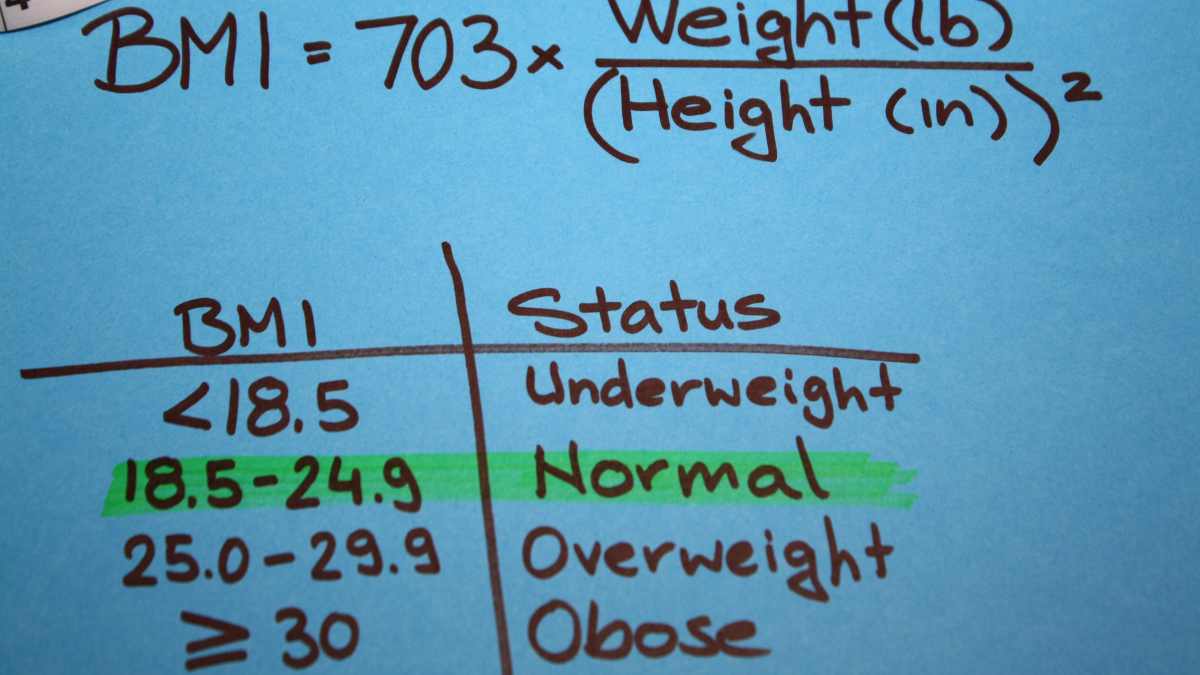
BMI is calculated by dividing a person’s weight in kilograms by the square of their height in meters. This simple formula provides a numerical value that categorizes individuals into various weight classes: underweight, normal weight, overweight, and obese. While BMI is a useful screening tool, it does not directly measure body fat or assess distribution, which are critical factors in evaluating health risks.
For the elderly, BMI can be particularly significant as it relates to various health outcomes. Low BMI may indicate malnutrition or underlying health issues, while high BMI is often associated with increased risks of chronic diseases such as diabetes, cardiovascular disorders, and certain cancers. Understanding these nuances is vital for healthcare providers when assessing the health of older adults.
Moreover, BMI serves as a critical indicator for public health initiatives aimed at addressing obesity and malnutrition among seniors. By recognizing the potential health risks associated with different BMI categories, healthcare professionals can develop targeted interventions to improve health outcomes in this vulnerable population.
Finally, it is essential to consider that while BMI is a useful tool, it should not be the sole determinant of health. Other factors, such as muscle mass, bone density, and overall physical condition, must also be evaluated to provide a comprehensive assessment of an individual’s health status.
The Relationship Between BMI and Elderly Mortality Rates
Research has consistently shown a correlation between BMI and mortality rates among older adults. Studies indicate that both low and high BMI values are associated with increased mortality risk. Underweight individuals may face a higher risk of death due to malnutrition, frailty, and the inability to recover from illnesses, while obese individuals are more susceptible to chronic diseases that can lead to premature death.
The U-shaped relationship between BMI and mortality is particularly evident in older populations. For instance, individuals with a BMI below 18.5 or above 30 often exhibit higher mortality rates compared to those with a BMI in the normal range (18.5-24.9). This pattern underscores the importance of maintaining a healthy weight as a strategy for promoting longevity.
Additionally, the impact of BMI on mortality can vary across different demographic groups, including gender, ethnicity, and socioeconomic status. For example, some studies suggest that the mortality risk associated with obesity may be more pronounced in women than in men, highlighting the need for gender-specific health interventions.
Understanding these relationships is crucial for developing effective public health strategies aimed at improving the longevity and quality of life for older adults. By focusing on maintaining a healthy BMI, healthcare providers can help mitigate risks associated with both ends of the BMI spectrum.
Analyzing BMI Trends in Older Adult Populations
As the population ages, trends in BMI among older adults reveal significant insights into public health challenges. Recent studies indicate a rising prevalence of obesity among seniors, driven by factors such as sedentary lifestyles, poor dietary choices, and the aging process itself, which can lead to metabolic changes. This trend poses serious health risks, as obesity is linked to various chronic conditions that can exacerbate mortality rates.
Conversely, there is also a concerning trend of underweight individuals in the elderly population, particularly among those with limited access to nutritious food or those suffering from chronic illnesses. Malnutrition can lead to decreased muscle mass and strength, increasing the risk of falls and fractures, which are critical concerns for older adults.
Furthermore, the intersection of obesity and malnutrition, often referred to as "double burden," highlights the complexity of managing BMI in older populations. Many seniors may present with a normal BMI while having high body fat and low muscle mass, known as sarcopenic obesity, which complicates traditional assessments of health.
Tracking these trends is essential for policymakers and healthcare providers to address the unique needs of older adults. By understanding the changing landscape of BMI in this demographic, targeted interventions can be developed to promote healthier lifestyles and improve overall health outcomes.
Factors Influencing BMI and Mortality in Seniors
Several factors influence BMI and its relationship with mortality in older adults. Chronic diseases, such as diabetes, hypertension, and heart disease, can significantly impact weight and nutritional status. These conditions may lead to weight loss due to decreased appetite or increased energy expenditure, contributing to a lower BMI and higher mortality risk.
Psychosocial factors also play a crucial role in influencing BMI among seniors. Social isolation, depression, and cognitive decline can lead to poor dietary choices and reduced physical activity, resulting in weight loss or obesity. Addressing these psychosocial issues is vital for promoting healthier BMI levels and reducing mortality risks.
Moreover, socioeconomic status significantly affects access to nutritious food and healthcare resources. Seniors from lower socioeconomic backgrounds may experience food insecurity, leading to malnutrition and low BMI. Conversely, those with higher socioeconomic status may have better access to resources that promote healthy weight management.
Lastly, lifestyle factors such as physical activity and smoking can influence BMI and mortality. Regular exercise is associated with maintaining a healthy weight and reducing the risk of chronic diseases, while smoking is linked to increased mortality rates. Encouraging healthy lifestyle choices among older adults can significantly impact their BMI and overall health outcomes.
Clinical Implications of BMI in Geriatric Care
The implications of BMI for geriatric care are profound, as healthcare providers must recognize the importance of maintaining a healthy weight in older adults. Regular assessment of BMI should be integrated into routine health evaluations to identify individuals at risk for malnutrition or obesity. Early intervention can help mitigate the associated health risks and improve quality of life.
Healthcare professionals should adopt a holistic approach when addressing BMI in older adults, considering not only weight but also factors such as muscle mass, dietary habits, and physical activity levels. Personalized care plans that focus on nutrition and exercise can empower seniors to take charge of their health and maintain a healthy BMI.
Additionally, interdisciplinary collaboration among healthcare providers, including dietitians, physical therapists, and mental health professionals, is essential for addressing the multifaceted nature of BMI-related health issues in older adults. By working together, providers can develop comprehensive strategies to support seniors in achieving and maintaining a healthy weight.
Furthermore, ongoing education and awareness campaigns targeting both seniors and caregivers can promote healthy lifestyle choices and emphasize the importance of regular health check-ups. By fostering a culture of health, we can improve the overall well-being of older adults and reduce mortality rates associated with unhealthy BMI levels.
Future Research Directions on BMI and Aging Outcomes
As the understanding of BMI’s role in elderly mortality continues to evolve, future research should focus on several key areas. First, longitudinal studies examining the long-term effects of BMI on health outcomes in older adults can provide valuable insights into the causal relationships between weight, health, and mortality. Such studies can help identify critical periods for intervention, allowing for more effective public health strategies.
Second, research should explore the impact of interventions aimed at modifying BMI in older populations. Evaluating the effectiveness of various dietary and exercise programs can inform best practices for promoting healthy weight management among seniors. Understanding which interventions yield the best results can help tailor approaches to individual needs.
Additionally, the role of technology in monitoring and managing BMI in older adults presents an exciting avenue for research. Wearable devices and mobile health applications could facilitate real-time tracking of physical activity and dietary habits, empowering seniors to take control of their health. Investigating the effectiveness of these technologies in improving BMI and health outcomes could lead to innovative solutions for geriatric care.
Finally, addressing the social determinants of health that influence BMI in older adults is critical. Research should focus on understanding how factors such as income, education, and access to healthcare resources impact weight management and mortality. Identifying these barriers can inform policy changes and community-based initiatives aimed at improving health equity among older populations.
Conclusions:
Understanding the relationship between BMI and elderly mortality is essential for promoting healthier aging and improving health outcomes in older adults. By recognizing the complexities of BMI as a health indicator, healthcare providers can develop effective interventions tailored to the unique needs of this population. Continued research and collaboration among healthcare professionals will be crucial in addressing the challenges posed by BMI in geriatric care.
Read more
- World Health Organization – Obesity and Overweight: This resource provides comprehensive information on obesity and its health impacts, including statistics and preventive measures.
- Centers for Disease Control and Prevention – Adult BMI Calculator: An interactive tool for calculating BMI, along with guidelines for interpreting the results.
- National Institute on Aging – Healthy Eating: Offers insights into nutrition and its importance for older adults, including practical tips for maintaining a balanced diet.
- Journal of the American Geriatrics Society – BMI and Mortality: A peer-reviewed journal featuring research articles on the relationship between BMI and mortality in older adults.
- American Heart Association – Obesity and Aging: This article discusses the impact of obesity on heart health in older adults, emphasizing the importance of weight management.