

Introduction:
Body Mass Index (BMI) is a widely used metric that provides insight into an individual’s body weight relative to their height. While it is often utilized to identify obesity and overweight conditions, it can also indicate when a person is underweight. Understanding what constitutes a low BMI is crucial for recognizing potential health issues and addressing them adequately. This article delves into the complexities of low BMI, exploring its implications, causes, and management strategies.
Understanding Body Mass Index: A Brief Overview
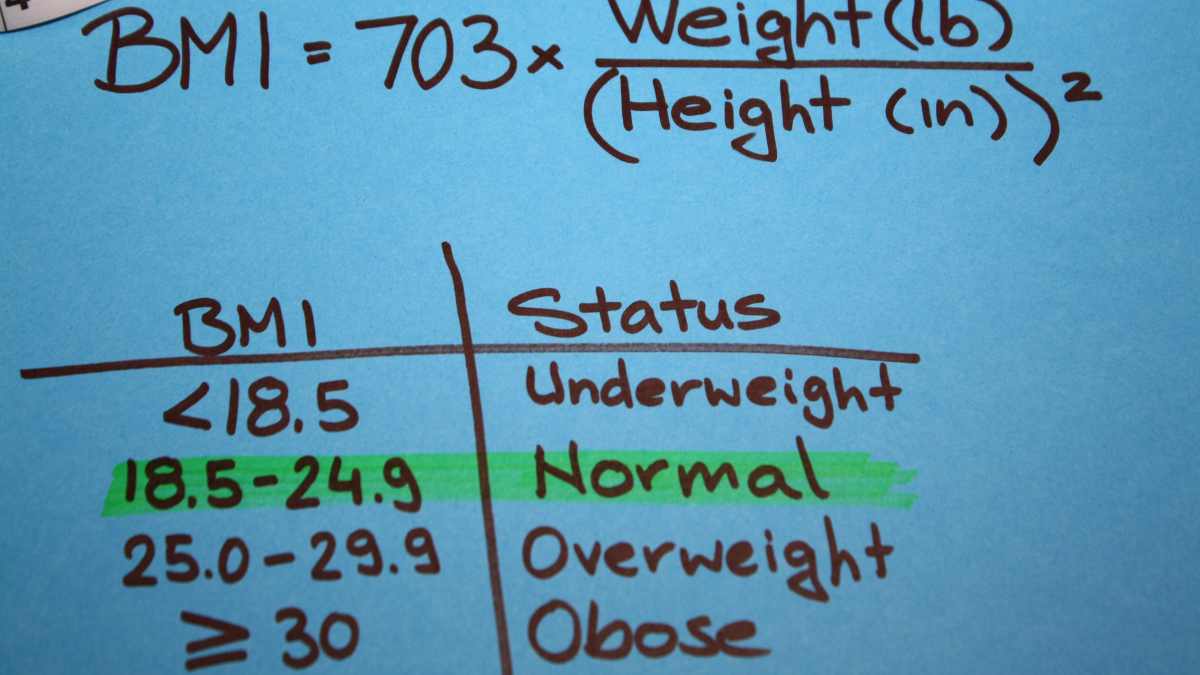
BMI is calculated using a simple formula: weight in kilograms divided by height in meters squared. This calculation yields a number that categorizes individuals into various weight classifications, including underweight, normal weight, overweight, and obese. The simplicity of this metric makes it a popular tool for health professionals, but it is important to note that BMI does not account for factors such as muscle mass, bone density, and fat distribution.
Despite its limitations, BMI serves as a useful screening tool for identifying potential weight-related health issues. It helps to flag individuals who may be at risk for conditions associated with being underweight, such as malnutrition, osteoporosis, and weakened immune function. However, the interpretation of BMI should be contextualized with other health indicators and assessments to provide a comprehensive view of an individual’s health status.
The World Health Organization (WHO) defines specific BMI ranges for classification. A BMI below 18.5 is considered underweight, while a BMI between 18.5 and 24.9 is classified as normal weight. These thresholds provide a baseline for understanding the implications of low BMI and the health risks associated with it.
In summary, while BMI is a helpful screening tool, it is essential to consider it alongside other health metrics and individual circumstances. A low BMI can indicate potential health risks, necessitating further investigation and intervention.
The Health Implications of Low BMI: An In-Depth Analysis
Low BMI can have significant health implications, as it often signals inadequate body fat and muscle mass. Individuals with a BMI below 18.5 may experience a range of health issues, including nutritional deficiencies and weakened immune function. The body requires a certain amount of fat to maintain essential physiological processes, and a low BMI can compromise these functions.
One of the primary concerns associated with low BMI is malnutrition. Insufficient caloric intake can lead to deficiencies in essential vitamins and minerals, which are critical for overall health. This can result in symptoms such as fatigue, weakness, and impaired cognitive function. Additionally, malnutrition can exacerbate existing health conditions and hinder recovery from illness or injury.
Another significant health implication of low BMI is the risk of osteoporosis. Low body weight is associated with decreased bone density, making individuals more susceptible to fractures and breaks. This is particularly concerning for older adults, who may already be at risk for osteoporosis due to age-related factors. Maintaining a healthy BMI is crucial for bone health and overall longevity.
Furthermore, individuals with low BMI may face psychological challenges. Societal pressures and stigma surrounding body weight can lead to body image issues, anxiety, and depression. Addressing the psychological aspects of low BMI is essential for holistic health management.
Defining Low BMI: Thresholds and Classifications Explained
The classification of BMI is standardized by the WHO, which provides clear thresholds for different weight categories. A BMI under 18.5 is classified as underweight, while a BMI between 18.5 and 24.9 is considered normal weight. These classifications are essential for identifying individuals who may be at risk for health complications due to low body weight.
Within the underweight category, there are further classifications. A BMI between 16 and 16.9 is considered severely underweight, while a BMI between 17 and 18.4 is classified as moderately underweight. These distinctions are important for healthcare providers to assess the severity of an individual’s condition and tailor interventions accordingly.
It is crucial to recognize that BMI is not a definitive measure of health. Factors such as age, sex, muscle mass, and overall health must be considered when interpreting BMI results. For instance, athletes may have a higher muscle mass, resulting in a higher BMI, while still being in excellent health.
In conclusion, understanding the classifications of low BMI is vital for identifying individuals at risk for health issues. Healthcare professionals must consider these classifications alongside other health indicators to provide a comprehensive assessment.
Causes of Low BMI: Nutritional Deficiencies and Disorders
Low BMI can arise from various causes, with nutritional deficiencies being a primary factor. Inadequate caloric intake, whether due to lack of access to food or poor dietary choices, can lead to a low BMI. Individuals who follow restrictive diets or have limited food availability may not consume enough calories to meet their body’s needs.
Additionally, certain medical conditions can contribute to low BMI. Disorders such as hyperthyroidism, diabetes, and gastrointestinal diseases can lead to weight loss and difficulty maintaining a healthy weight. These conditions often result in increased metabolism or malabsorption of nutrients, further exacerbating the issue.
Psychological factors can also play a significant role in low BMI. Eating disorders, such as anorexia nervosa and bulimia, are characterized by extreme weight loss and can lead to dangerously low BMI levels. These disorders require specialized treatment and intervention to address both the physical and psychological aspects of the condition.
Lastly, lifestyle factors, including high levels of physical activity without adequate caloric intake, can lead to a low BMI. Athletes or individuals engaged in rigorous exercise routines may inadvertently lose weight if they do not adjust their dietary intake to match their energy expenditure.
Assessing the Risks: Health Consequences of Low BMI
The health consequences of low BMI are multifaceted and can have serious implications for individuals. One of the most immediate risks is malnutrition, which can lead to a host of health issues, including weakened immune function and increased susceptibility to infections. Individuals with low BMI may find it challenging to recover from illnesses or injuries due to their compromised nutritional status.
Furthermore, low BMI is associated with hormonal imbalances that can affect reproductive health. Women with a BMI below 18.5 may experience irregular menstrual cycles or amenorrhea, which can impact fertility. Hormonal disruptions can also lead to a decrease in bone density, increasing the risk of osteoporosis and fractures.
Psychological health is another critical area affected by low BMI. Individuals may experience anxiety, depression, and low self-esteem due to societal pressures and stigma surrounding body weight. Addressing these psychological aspects is essential for comprehensive health management and recovery.
In summary, the health consequences of low BMI are significant and varied. From malnutrition to hormonal imbalances and psychological challenges, individuals with low BMI face numerous risks that necessitate careful assessment and intervention.
Strategies for Management: Addressing Low BMI Effectively
Managing low BMI requires a multifaceted approach that addresses both the physical and psychological aspects of the condition. Nutritional intervention is often the first step in addressing low BMI. Healthcare providers may recommend a tailored dietary plan that emphasizes calorie-dense foods rich in essential nutrients. This can help individuals achieve a healthier weight while ensuring they receive the necessary vitamins and minerals.
In cases where medical conditions contribute to low BMI, addressing the underlying health issues is crucial. This may involve medication management, treatment for gastrointestinal disorders, or therapy for eating disorders. A comprehensive approach that includes medical, nutritional, and psychological support is essential for effective management.
Psychological support is equally important in addressing low BMI. Therapy or counseling can help individuals cope with body image issues, anxiety, and depression. Support groups may also provide a sense of community and understanding for those struggling with similar challenges.
Finally, regular monitoring and follow-up care are vital for individuals with low BMI. Healthcare providers should assess progress and make necessary adjustments to treatment plans to ensure that individuals are on the path to achieving a healthier weight.
Conclusions:
Understanding low BMI and its implications is essential for recognizing potential health risks and implementing effective management strategies. By addressing nutritional deficiencies, underlying medical conditions, and psychological factors, individuals can work towards achieving a healthier weight and improving their overall well-being.
Read more
- World Health Organization – BMI Classification: This source provides comprehensive information on BMI classifications and their implications for health.
- National Institutes of Health – Understanding BMI: A detailed explanation of BMI, including its calculation and significance in health assessment.
- Mayo Clinic – Low Body Mass Index (BMI): This resource discusses the causes, symptoms, and treatment options for low BMI.
- Cleveland Clinic – The Dangers of Being Underweight: An overview of the health risks associated with being underweight and strategies for management.
- National Eating Disorders Association – Understanding Eating Disorders: This site offers valuable insights into eating disorders, their impact on BMI, and available resources for support.