

Se hai un abbonamento attivo ACCEDI QUI
Introduction:
Body Mass Index (BMI) is a crucial metric used to assess an individual’s body weight in relation to their height, providing a useful gauge for determining overall health. In the context of surgical procedures, understanding BMI is essential, as it can significantly influence both the risks associated with surgery and the outcomes of the procedure itself. This article delves into the relationship between BMI and surgical safety, exploring the thresholds that may be deemed unsafe for surgical intervention, as well as the implications of both high and low BMI on surgical outcomes.
Understanding Body Mass Index (BMI) and Its Importance
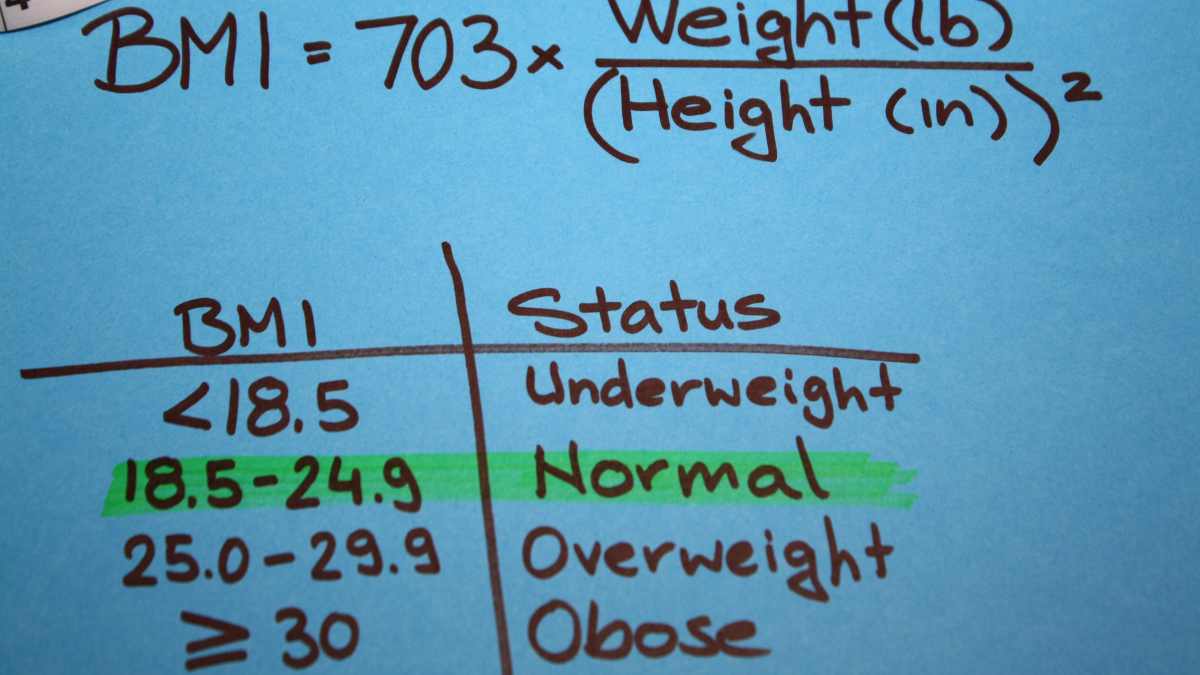
BMI is calculated using a person’s weight in kilograms divided by the square of their height in meters. This straightforward formula categorizes individuals into various weight classes, including underweight, normal weight, overweight, and obese. Understanding BMI is vital for healthcare professionals, as it provides a quick assessment of potential health risks associated with body weight.
The significance of BMI extends beyond mere classification; it serves as a predictive tool for various health complications, including cardiovascular diseases, diabetes, and certain types of cancer. In surgical settings, BMI can influence anesthesia risk, wound healing, and overall recovery time. Recognizing the importance of BMI allows surgeons to tailor their approach to individual patients, ensuring safer surgical experiences.
Moreover, BMI is a critical factor in preoperative assessments. Surgeons often use BMI as one of the criteria to evaluate patient eligibility for elective procedures. A comprehensive understanding of BMI helps identify patients who may require additional interventions or lifestyle modifications before undergoing surgery, thereby optimizing surgical outcomes.
In summary, BMI is not merely a number; it is a vital indicator of health that can significantly impact surgical decisions and patient safety. Surgeons must consider BMI as part of a holistic evaluation of a patient’s readiness for surgery.
Defining Safe and Unsafe BMI Ranges for Surgical Procedures
The classification of BMI into various categories establishes a framework for understanding which ranges are considered safe for surgical procedures. Generally, a BMI between 18.5 and 24.9 is considered normal, while values above 30 indicate varying degrees of obesity. For most surgical procedures, a BMI under 30 is often deemed safe, as patients in this range typically experience fewer complications.
However, patients with a BMI of 30 to 39 may still be eligible for surgery, depending on the specific procedure and the surgeon’s discretion. Yet, as BMI increases, so do the risks associated with surgery. A BMI of 40 or higher is often classified as morbid obesity, and many surgeons consider this range unsafe for elective surgeries due to the heightened risk of complications.
The American Society of Anesthesiologists has established guidelines indicating that patients with a BMI over 40 may require a thorough evaluation and counseling before proceeding with surgery. This careful consideration is essential to mitigate risks associated with anesthesia and postoperative recovery.
In conclusion, while BMI serves as a useful guideline for assessing surgical safety, it is not the sole determinant. Surgeons must evaluate each patient on an individual basis, considering other health factors and the type of surgery being performed.
The Impact of High BMI on Surgical Outcomes and Risks
High BMI is associated with a range of complications that can adversely affect surgical outcomes. Patients with elevated BMI levels often experience prolonged recovery times, increased rates of infection, and higher instances of postoperative complications. These risks stem from various factors, including impaired wound healing and respiratory issues that can complicate anesthesia administration.
Moreover, the presence of comorbidities commonly associated with high BMI, such as hypertension and diabetes, can further complicate surgical procedures. These conditions can lead to increased surgical times and more challenging recoveries, necessitating additional monitoring and care.
Studies have shown that patients with a BMI over 35 face significantly higher rates of complications, including deep vein thrombosis and pulmonary embolism. This underscores the necessity for careful preoperative planning and risk assessment for patients in this category.
In summary, high BMI poses considerable risks during surgical procedures, necessitating a careful evaluation of patient health and surgical readiness. Surgeons must be vigilant in assessing these risks, ensuring that patients are adequately informed and prepared for the potential challenges ahead.
Evaluating Low BMI: Risks and Considerations for Surgery
While high BMI often garners attention in surgical evaluations, low BMI is also a critical factor that can impact surgical safety and outcomes. A BMI below 18.5 is classified as underweight and may indicate nutritional deficiencies or other health issues. Patients with low BMI may face unique risks during surgery, including impaired wound healing and a higher likelihood of postoperative complications.
Malnutrition is a significant concern for underweight patients, as it can lead to weakened immune responses and increased susceptibility to infections. These factors can complicate the surgical process and prolong recovery times. Additionally, low BMI can affect anesthesia management, as underweight individuals may have different pharmacokinetics compared to those with normal or high BMI.
Surgeons must carefully assess the nutritional status of patients with low BMI before proceeding with elective surgeries. In some cases, nutritional supplementation or weight gain strategies may be necessary to optimize surgical outcomes.
In conclusion, while high BMI presents clear risks, low BMI should not be overlooked in surgical evaluations. A comprehensive approach that considers both ends of the BMI spectrum is essential for ensuring patient safety and successful surgical outcomes.
Preoperative Assessments: BMI and Patient Eligibility Criteria
Preoperative assessments play a crucial role in determining patient eligibility for surgical procedures. BMI is one of the key metrics evaluated during this process, as it provides valuable insights into a patient’s overall health and potential risks associated with surgery. Surgeons often utilize BMI as part of a broader assessment that includes medical history, physical examination, and laboratory tests.
Patients with high BMI may be required to undergo additional evaluations, including cardiopulmonary assessments and consultations with specialists. These evaluations help identify any underlying health issues that could complicate surgery and allow for tailored preoperative planning.
Conversely, patients with low BMI may also face scrutiny during preoperative assessments. Surgeons may recommend nutritional interventions or weight gain strategies to improve surgical readiness. This proactive approach aims to mitigate risks associated with low body weight and enhance recovery prospects.
In summary, preoperative assessments are critical for evaluating patient eligibility for surgery. A thorough understanding of BMI, alongside other health factors, allows surgeons to make informed decisions that prioritize patient safety and optimize surgical outcomes.
Strategies for Managing BMI Before Elective Surgery
Managing BMI effectively before elective surgery is essential for optimizing patient outcomes and minimizing risks. For patients with high BMI, weight loss strategies may be recommended, including dietary modifications, exercise regimens, and, in some cases, pharmacological interventions. These strategies aim to reduce surgical risks and improve overall health prior to the procedure.
Healthcare providers often collaborate with dietitians and nutritionists to create personalized weight management plans. These plans may incorporate behavioral therapy and ongoing support to encourage adherence, ultimately leading to improved surgical readiness.
For patients with low BMI, nutritional interventions are equally important. Surgeons may recommend high-calorie diets, nutritional supplements, or referrals to specialists for further evaluation. These strategies aim to enhance nutritional status and prepare the patient for surgery.
In conclusion, proactive management of BMI before elective surgery is vital for ensuring patient safety and successful outcomes. A collaborative approach that involves healthcare teams can significantly improve surgical readiness, regardless of whether the patient is above or below the recommended BMI range.
Conclusions:
In summary, BMI is a critical factor influencing surgical safety and outcomes. Understanding the implications of both high and low BMI is essential for healthcare providers as they assess patient eligibility for surgery. By implementing effective strategies for managing BMI before elective procedures, healthcare teams can optimize patient health and minimize risks, ultimately leading to improved surgical outcomes.
Read more:
- American Society of Anesthesiologists – Obesity and Anesthesia – Guidelines and recommendations regarding the management of obese patients in anesthesia.
- Centers for Disease Control and Prevention – Adult Obesity Facts – Comprehensive data and statistics on adult obesity in the United States.
- National Institutes of Health – Clinical Guidelines on the Identification, Evaluation, and Treatment of Overweight and Obesity in Adults – Detailed clinical guidelines for managing overweight and obesity.
- World Health Organization – BMI Classification – Overview of BMI classifications and their implications for health.
- American College of Surgeons – Obesity and Surgery – Resources and guidelines for managing obesity in surgical patients.