

Introduction:
Body Mass Index (BMI) is a widely used tool for assessing body weight relative to height, providing a simple numeric measure that can indicate whether an individual is underweight, normal weight, overweight, or obese. However, when BMI values drop significantly, they may indicate a state of emaciation, which has serious health implications. Understanding what constitutes emaciation, its physiological effects, and appropriate interventions is crucial for healthcare professionals and individuals alike. This article delves into the technical aspects of BMI, defines emaciation, explores the health effects of low BMI, and discusses assessment and management strategies.
Understanding Body Mass Index: A Technical Overview
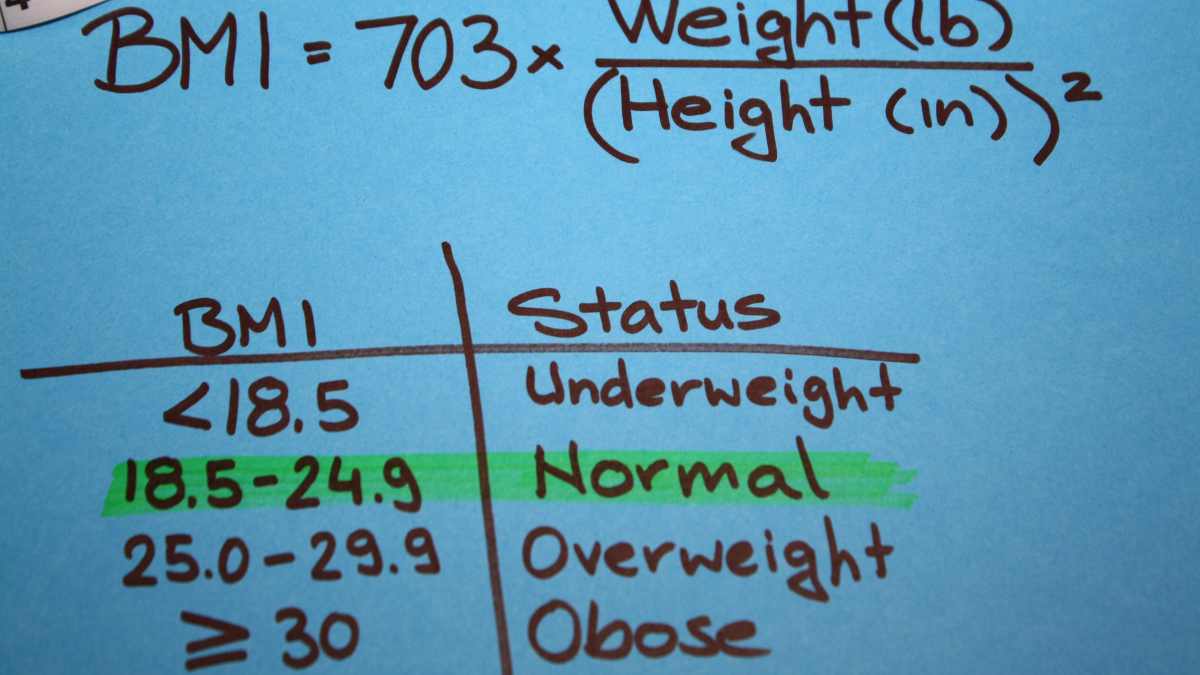
BMI is calculated using the formula: weight in kilograms divided by height in meters squared (kg/m²). This straightforward calculation allows for a quick assessment of body weight categories. The World Health Organization (WHO) classifies BMI into several categories: underweight (BMI < 18.5), normal weight (18.5 ≤ BMI < 24.9), overweight (25 ≤ BMI < 29.9), and obesity (BMI ≥ 30). While BMI provides a useful general guideline, it does not account for variations in body composition, such as muscle mass versus fat mass.
Despite its limitations, BMI is a valuable screening tool for identifying potential health risks associated with body weight. It is particularly useful in large population studies and epidemiological research, where quick assessments can help identify trends and inform public health policies. However, healthcare providers must interpret BMI in conjunction with other clinical assessments to obtain a comprehensive view of an individual's health.
BMI is not a perfect measure, as it does not differentiate between fat and lean mass. For instance, athletes may have a high BMI due to increased muscle mass, which could misclassify them as overweight or obese. Conversely, individuals with low muscle mass may have a normal BMI while still being at risk for health issues. Therefore, while BMI serves as a useful starting point, it should be supplemented with additional evaluations, such as waist circumference and body composition analysis.
In summary, while BMI is a widely accepted metric for assessing body weight, its limitations necessitate a more nuanced approach to understanding an individual's health status. Recognizing these limitations is essential for healthcare professionals when diagnosing conditions related to body weight, including emaciation.
Defining Emaciation: Clinical Criteria and Implications
Emaciation is characterized by an extreme loss of body weight, often resulting in a significant reduction in fat and muscle mass. Clinically, it is defined as a state where an individual's BMI falls below 16 kg/m². This condition is often associated with severe malnutrition, chronic illness, or eating disorders. The implications of emaciation extend beyond physical appearance; it can lead to profound physiological and psychological consequences.
The clinical criteria for diagnosing emaciation include not only BMI but also a comprehensive assessment of nutritional intake, body composition, and overall health status. Healthcare providers may utilize tools such as skinfold thickness measurements and bioelectrical impedance analysis to evaluate body fat percentage and muscle mass. Additionally, a thorough medical history and physical examination are essential for identifying underlying causes of emaciation, such as gastrointestinal disorders or malignancies.
Emaciation can have severe health implications, including weakened immune function, muscle wasting, and organ failure. Individuals who are emaciated are at a higher risk for complications such as infections, osteoporosis, and cardiovascular issues. The psychological impact of emaciation should not be overlooked, as individuals may experience anxiety, depression, or social isolation due to their condition.
In conclusion, emaciation is a serious medical condition defined by extremely low BMI and significant loss of body mass. Understanding the clinical criteria and implications of emaciation is vital for effective diagnosis and treatment.
BMI Ranges: Identifying Underweight and Emaciated States
The classification of BMI ranges is crucial for identifying individuals at risk of being underweight or emaciated. While a BMI of 18.5 or lower is classified as underweight, a BMI below 16 kg/m² is indicative of emaciation. These thresholds serve as critical markers for healthcare professionals to initiate further assessments and interventions.
Individuals with a BMI between 16 and 16.9 kg/m² are often considered to be in a state of severe underweight, which may require immediate medical attention. At this level, the risk of developing serious health complications increases significantly, necessitating a thorough evaluation of dietary habits, physical activity, and any underlying medical conditions. Early intervention can help prevent the progression to more severe states of emaciation.
It is essential to recognize that BMI is not the sole determinant of health. Factors such as age, sex, and muscle mass can influence an individual's health status. Therefore, healthcare providers should consider these variables when assessing a patient's BMI and determining the appropriate course of action. For instance, older adults may have a higher risk of malnutrition despite having a BMI within the normal range due to loss of muscle mass.
In summary, understanding BMI ranges is essential for identifying individuals at risk of underweight and emaciated states. By recognizing these thresholds, healthcare professionals can take proactive steps to address potential health issues and provide appropriate interventions.
The Physiological Effects of Low BMI on Health
Low BMI has a profound impact on various physiological systems within the body. One of the most immediate effects is a compromised immune system, as the body lacks the necessary nutrients to produce adequate immune responses. This can lead to increased susceptibility to infections and prolonged recovery times from illnesses. Furthermore, individuals with low BMI may experience chronic fatigue and weakness due to insufficient energy reserves.
Muscle wasting is another significant consequence of low BMI. When the body is deprived of essential nutrients, it begins to break down muscle tissue for energy, leading to a reduction in muscle mass and strength. This can impair physical function and mobility, making daily activities increasingly challenging. In severe cases, muscle wasting can affect respiratory function, posing life-threatening risks.
Additionally, low BMI can disrupt hormonal balance, particularly in women, leading to irregular menstrual cycles or amenorrhea (the absence of menstruation). Hormonal imbalances can also impact bone health, increasing the risk of osteoporosis and fractures. The long-term effects of low BMI on bone density can result in chronic pain and disability.
In conclusion, the physiological effects of low BMI are multifaceted and can significantly impair overall health and quality of life. Recognizing these effects is crucial for healthcare professionals when developing treatment plans for individuals with low BMI.
Assessing Emaciation: Visual and Clinical Indicators
Assessing emaciation requires a combination of visual inspection and clinical evaluation. Visually, emaciated individuals often exhibit prominent bones, sunken cheeks, and a general appearance of frailty. These physical indicators can provide immediate insight into an individual's nutritional status. However, visual assessments should be complemented by clinical evaluations to obtain a comprehensive understanding of the individual's health.
Healthcare providers may use various clinical indicators to assess emaciation, including weight history, dietary intake, and physical examination findings. A detailed medical history can help identify potential causes of emaciation, such as chronic illnesses, eating disorders, or gastrointestinal issues. Additionally, healthcare providers may conduct laboratory tests to evaluate nutritional deficiencies and overall health.
The use of standardized assessment tools, such as the Subjective Global Assessment (SGA) or the Malnutrition Universal Screening Tool (MUST), can aid in the systematic evaluation of nutritional status. These tools consider factors such as weight loss, dietary intake, and physical signs of malnutrition to provide a comprehensive assessment of an individual's condition.
In summary, assessing emaciation requires a multifaceted approach that combines visual inspection with clinical evaluation. By utilizing both methods, healthcare providers can obtain a more accurate understanding of an individual's nutritional status and develop appropriate treatment plans.
Interventions for Emaciation: Treatment and Management Strategies
Addressing emaciation requires a comprehensive treatment approach tailored to the individual's specific needs and underlying causes. The first step in intervention is to identify and address any underlying medical conditions contributing to the state of emaciation. This may involve referrals to specialists, such as endocrinologists or gastroenterologists, for further evaluation and management.
Nutritional rehabilitation is a critical component of treatment for emaciation. This typically involves the development of a personalized meal plan that focuses on increasing caloric intake and providing essential nutrients. Registered dietitians play a key role in this process, helping individuals set achievable goals and monitor their progress. In some cases, nutritional supplements or enteral feeding may be necessary to ensure adequate nutrient intake.
Psychological support is also essential in the management of emaciation, particularly for individuals with eating disorders. Therapeutic interventions, such as cognitive-behavioral therapy (CBT), can help address underlying psychological issues and promote healthier eating behaviors. Support groups and counseling can provide additional emotional support, fostering a sense of community and understanding.
Finally, ongoing monitoring and follow-up care are crucial for individuals recovering from emaciation. Regular assessments of weight, nutritional status, and overall health can help ensure that individuals are making progress and adjusting their treatment plans as needed. This holistic approach to intervention can significantly improve outcomes for individuals experiencing emaciation.
In conclusion, effective intervention for emaciation requires a comprehensive and individualized approach that addresses medical, nutritional, and psychological factors. By employing a multidisciplinary strategy, healthcare providers can support individuals in their recovery journey.
Conclusions:
Emaciation is a serious condition characterized by extreme weight loss and significant health risks. Understanding the technical aspects of BMI, the clinical criteria for emaciation, and the physiological effects of low BMI is essential for effective assessment and intervention. By recognizing the importance of a comprehensive approach to treatment, healthcare professionals can better support individuals facing this challenging condition.
Read more:
- World Health Organization – BMI Classification – A comprehensive overview of BMI classifications and their implications for health.
- National Institutes of Health – Understanding BMI – Detailed information on how to calculate and interpret BMI.
- Mayo Clinic – Emaciation: Symptoms and Causes – An article discussing the symptoms, causes, and treatment options for emaciation.
- American Journal of Clinical Nutrition – Nutritional Rehabilitation – A study on the importance of nutritional rehabilitation in treating malnutrition and emaciation.
- National Eating Disorders Association – Treatment Options – A resource outlining various treatment options for eating disorders, including those leading to emaciation.