

Se hai un abbonamento attivo ACCEDI QUI
Introduction:
Body Mass Index (BMI) is a widely used tool for assessing body weight relative to height, providing valuable insights into an individual’s body composition. Understanding BMI and its percentiles can help identify various categories of weight, including what is often referred to as "skinny." This article delves into the concept of BMI, the significance of percentiles, and the implications of being classified as skinny, while also addressing the limitations of BMI as a sole measure of health.
Understanding BMI: A Key Metric for Body Composition
BMI is calculated using a simple formula: weight in kilograms divided by height in meters squared (kg/m²). This metric serves as a useful screening tool to categorize individuals into various weight classes, including underweight, normal weight, overweight, and obesity. It is important to note that while BMI provides a quick assessment, it does not directly measure body fat or muscle mass, which can lead to misinterpretations of an individual’s health status.
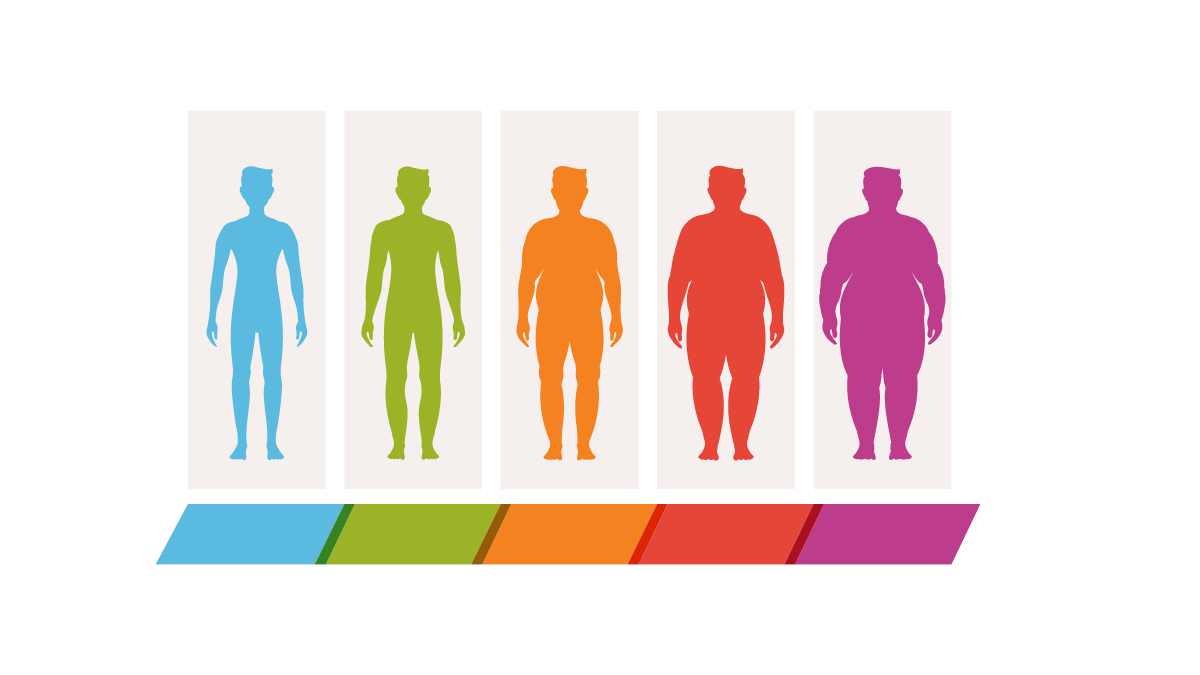
The World Health Organization (WHO) categorizes BMI values as follows: underweight (BMI < 18.5), normal weight (18.5 ≤ BMI < 24.9), overweight (25 ≤ BMI < 29.9), and obesity (BMI ≥ 30). These categories are based on population data and serve as a guideline for assessing body weight. However, the relationship between BMI and health outcomes is complex and can vary significantly across different populations and age groups.
Understanding BMI is crucial for public health initiatives, as it helps identify individuals at risk for various health issues related to weight. However, BMI should not be the sole determinant of health, as it does not account for factors such as genetics, muscle mass, and distribution of fat. Thus, while BMI is a valuable tool, it should be used in conjunction with other assessments for a more comprehensive understanding of an individual's health.
In summary, BMI is a key metric for body composition that helps categorize individuals based on weight relative to height. While it offers valuable insights, it is essential to recognize its limitations and the need for a more nuanced approach to health assessment.
Defining "Skinny": The Role of BMI Percentiles
The term "skinny" is often used colloquially to describe individuals who appear thin or underweight. In the context of BMI, being classified as skinny typically refers to those falling below the 5th percentile for their age and sex. This percentile indicates that a person weighs less than 95% of their peers, which can raise concerns about nutritional status and overall health.
BMI percentiles are especially relevant in pediatric populations, where growth and development are closely monitored. For children and adolescents, being in the 5th percentile or lower may signal potential health issues, including malnutrition or underlying medical conditions. Parents and healthcare providers should be vigilant in assessing the overall health and well-being of children who fall into this category.
For adults, the definition of skinny can be more subjective, as societal standards of beauty and health vary widely. However, individuals with a BMI below 18.5 are generally considered underweight, which can be associated with various health risks, including weakened immune function, osteoporosis, and fertility issues. Thus, understanding the implications of being classified as skinny is crucial for both physical and mental health.
In conclusion, the concept of "skinny" is closely tied to BMI percentiles, particularly in children and adolescents. Recognizing the significance of these classifications can help identify individuals who may be at risk for health complications and ensure they receive appropriate care and support.
How to Calculate BMI and Interpret Percentile Ranges
Calculating BMI is a straightforward process that involves measuring weight and height. To determine BMI, one can use the formula mentioned earlier or utilize online calculators that simplify the process. Once the BMI is calculated, it can be compared against established percentile ranges to determine an individual's classification.
To interpret BMI percentiles, it is essential to consider the individual's age and sex, as these factors influence the distribution of BMI values within the population. For example, a BMI of 17 may be classified as underweight for an adult, but for a child, it could fall within the normal range, depending on their growth trajectory. Therefore, healthcare providers often use growth charts to visualize and interpret these percentiles effectively.
In clinical settings, healthcare professionals may also consider additional factors such as family history, dietary habits, and physical activity levels when interpreting BMI percentiles. This holistic approach ensures that individuals receive personalized assessments and recommendations tailored to their unique circumstances.
In summary, calculating and interpreting BMI and its percentiles requires careful consideration of various factors, including age, sex, and overall health. This nuanced approach helps provide a more accurate understanding of an individual's body composition and potential health risks.
BMI Percentiles: Establishing Norms for Different Ages
BMI percentiles are particularly important in pediatric populations, where growth patterns can vary significantly. The Centers for Disease Control and Prevention (CDC) provides growth charts that illustrate the distribution of BMI for children and adolescents aged 2 to 19. These charts help healthcare providers assess whether a child's BMI falls within a healthy range relative to their peers.
For adults, BMI percentiles are less commonly used, as the focus tends to be on specific BMI cutoffs rather than percentiles. However, understanding how an individual's BMI compares to the general population can still provide valuable context. For instance, an adult with a BMI in the 10th percentile may be considered underweight, while someone in the 90th percentile may be classified as overweight or obese.
Establishing norms for different ages is crucial for understanding the implications of BMI percentiles. For children, being in a lower percentile can indicate potential growth issues, while for adults, it may signal nutritional deficiencies or other health concerns. Regular monitoring of BMI percentiles can help identify trends over time and facilitate early interventions when necessary.
In conclusion, BMI percentiles play a vital role in establishing norms for different age groups, particularly in children and adolescents. Understanding these norms allows healthcare providers to assess growth and development accurately and address any potential health issues that may arise.
Health Implications of Being in the "Skinny" Percentile
Being classified as skinny, particularly in the lower BMI percentiles, can have significant health implications. Individuals who fall below the 5th percentile may be at risk for various health issues, including malnutrition, weakened immune function, and delayed growth and development in children. These risks highlight the importance of monitoring individuals who are classified as underweight.
In adults, being classified as underweight can also lead to serious health complications, including osteoporosis, anemia, and fertility issues. Additionally, underweight individuals may experience psychological effects, such as low self-esteem and increased anxiety about body image. These factors can contribute to a cycle of unhealthy behaviors, including restrictive eating and excessive exercise.
Healthcare providers play a crucial role in addressing the health implications of being in the skinny percentile. Regular screenings, nutritional assessments, and counseling can help identify underlying issues and develop personalized treatment plans. Encouraging a balanced diet and promoting healthy lifestyle choices are essential components of supporting individuals classified as underweight.
In summary, being in the skinny percentile can have serious health implications for both children and adults. Early intervention and comprehensive care are vital for addressing these concerns and promoting overall well-being.
Limitations of BMI: Beyond the Numbers in Body Assessment
While BMI is a widely used metric, it has several limitations that must be considered when assessing body composition and health. One of the primary criticisms of BMI is that it does not differentiate between fat mass and lean body mass. As a result, individuals with high muscle mass, such as athletes, may be classified as overweight or obese despite having low body fat percentages.
Additionally, BMI does not account for the distribution of fat within the body. Research has shown that visceral fat, which surrounds internal organs, poses a greater health risk than subcutaneous fat, which is stored beneath the skin. Therefore, relying solely on BMI can lead to an incomplete understanding of an individual's health status.
Another limitation of BMI is its inability to account for factors such as age, sex, and ethnicity, which can influence body composition and health outcomes. For example, older adults may have higher body fat percentages despite having a normal BMI due to age-related muscle loss. Similarly, different ethnic groups may have varying body composition norms, making it essential to consider these factors in health assessments.
In conclusion, while BMI is a useful screening tool, it has significant limitations that must be acknowledged. A comprehensive assessment of health should include additional measures, such as body composition analysis, waist circumference, and lifestyle factors, to provide a more accurate picture of an individual's overall health.
Conclusions:
In summary, understanding BMI and its percentiles is crucial for assessing body composition and identifying individuals who may be classified as skinny. While BMI serves as a valuable screening tool, it is essential to recognize its limitations and the need for a more comprehensive approach to health assessment. By considering additional factors such as age, sex, and body composition, healthcare providers can offer personalized care and support to individuals at risk for health complications associated with being underweight.
Read more:
- World Health Organization – BMI Classification: An overview of BMI classifications and their implications for health.
- Centers for Disease Control and Prevention – Growth Charts: CDC resources on growth charts for children and adolescents.
- Mayo Clinic – BMI: What It Is and How to Calculate It: A guide on calculating BMI and understanding its significance.
- Harvard Health Publishing – The Limitations of BMI: An article discussing the limitations of BMI and alternative assessments of health.
- National Institutes of Health – Assessing Your Weight: NIH resources on assessing weight and understanding BMI in relation to health.