

Introduction:
Body Mass Index (BMI) is a widely used metric that helps categorize individuals based on their body weight relative to their height. For women, a BMI of 37 falls into a specific classification that has significant health implications. Understanding the nuances of BMI, particularly at this level, is crucial for assessing health risks, identifying potential causes, and exploring management strategies. This article delves into the complexities surrounding a BMI of 37 for women, shedding light on its classification, associated health risks, underlying causes, management strategies, and the vital role healthcare professionals play in this context.
Understanding Body Mass Index (BMI) and Its Significance
BMI is a numerical value derived from an individual’s weight and height, calculated by dividing weight in kilograms by the square of height in meters. This simple formula provides a quick assessment of body fat and helps categorize individuals into various weight classes: underweight, normal weight, overweight, and obese. The significance of BMI lies in its ability to offer a general indication of health risks associated with body weight, particularly in relation to conditions such as heart disease, diabetes, and certain cancers.
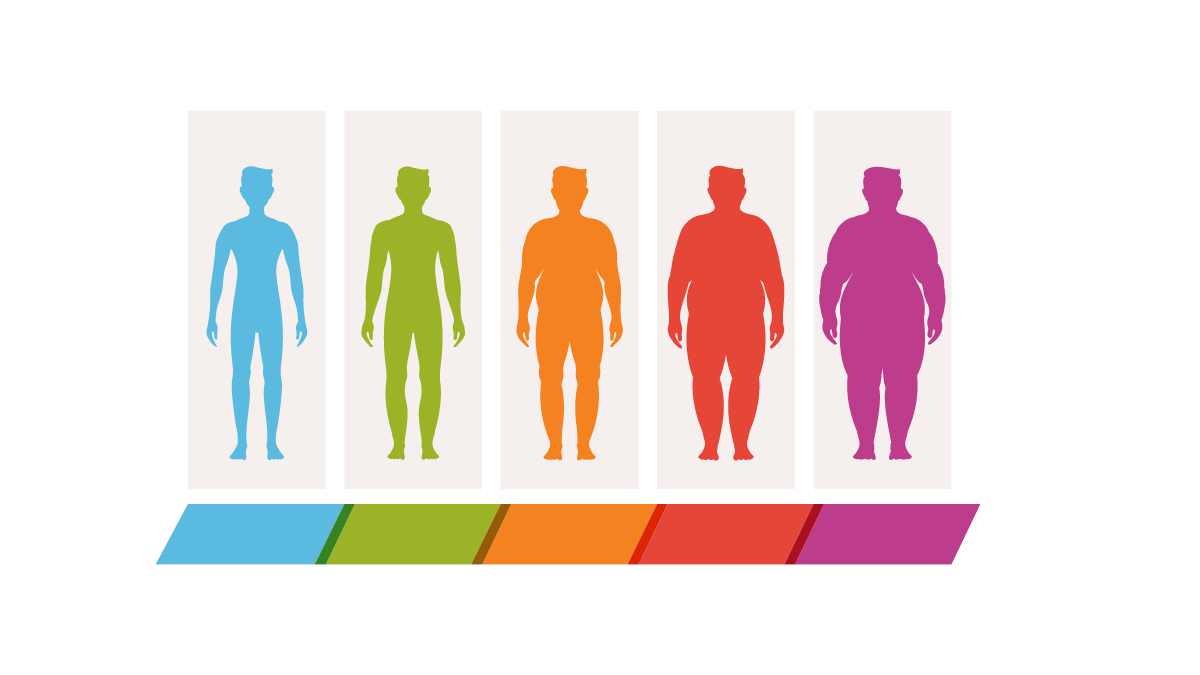
The BMI scale is divided into several categories: underweight (BMI less than 18.5), normal weight (BMI 18.5-24.9), overweight (BMI 25-29.9), and obesity (BMI 30 and above). Within the obesity category, there are further classifications, including Class 1 (BMI 30-34.9), Class 2 (BMI 35-39.9), and Class 3 (BMI 40 and above). A BMI of 37 places an individual in Class 2 obesity, which is characterized by a higher risk of developing obesity-related health issues compared to those in lower BMI categories.
Understanding BMI is essential for public health initiatives and personal health assessments. It serves as a screening tool that can prompt further investigation into an individual’s overall health and lifestyle. However, it is important to note that BMI is not a perfect measure of body fat, as it does not account for factors such as muscle mass, bone density, and distribution of fat. Therefore, while BMI provides valuable insights, it should be used in conjunction with other health assessments for a comprehensive understanding of an individual’s health status.
The significance of BMI extends beyond individual health; it also informs public health policies and interventions aimed at addressing obesity and its related complications. By understanding the prevalence of various BMI categories within populations, healthcare systems can allocate resources effectively and develop targeted programs to promote healthier lifestyles.
Defining a BMI of 37: Classification and Implications
A BMI of 37 categorizes an individual as Class 2 obese, indicating a significant excess of body fat. This classification is not merely a reflection of appearance; it carries substantial implications for physical health and well-being. Women with a BMI of 37 may experience a range of challenges related to their weight, including difficulties in mobility, increased fatigue, and a higher likelihood of developing chronic health conditions.
The implications of a BMI of 37 extend to reproductive health as well. Obesity can affect menstrual cycles, fertility, and pregnancy outcomes. Women with a higher BMI may face complications during pregnancy, such as gestational diabetes, hypertension, and increased risk of cesarean delivery. These factors underscore the importance of addressing weight management not only for individual health but also for maternal and fetal well-being.
Psychosocial implications are also prevalent among women with a BMI of 37. Societal pressures and stigma surrounding body weight can lead to mental health issues, including anxiety, depression, and low self-esteem. These psychological factors can create barriers to seeking help and adopting healthier lifestyle choices, perpetuating a cycle of weight gain and emotional distress.
In summary, a BMI of 37 signifies a classification of Class 2 obesity that carries numerous health implications. Understanding these implications is crucial for women to take proactive steps toward improving their health and well-being.
Health Risks Associated with a BMI of 37 in Women
Women with a BMI of 37 face an increased risk of developing various health conditions. One of the most significant concerns is cardiovascular disease, which includes conditions such as heart attacks and strokes. Excess body weight can lead to elevated blood pressure, high cholesterol levels, and increased strain on the heart, all of which contribute to cardiovascular risks.
Another critical area of concern is metabolic health. A BMI of 37 is associated with insulin resistance, which can lead to type 2 diabetes. Women with obesity are more likely to experience metabolic syndrome, a cluster of conditions that increase the risk of heart disease, stroke, and diabetes. This underscores the importance of monitoring blood sugar levels and maintaining a healthy lifestyle to mitigate these risks.
Additionally, obesity is linked to certain cancers, including breast, endometrial, and ovarian cancers. The mechanisms behind this association are complex, involving hormonal changes, inflammation, and the effects of excess fat on the body. Understanding these risks can empower women to make informed decisions about their health and seek preventive measures.
Lastly, the impact of a BMI of 37 on mental health cannot be overlooked. The stigma associated with obesity can lead to social isolation, body image issues, and a decline in overall mental well-being. Addressing these psychological aspects is essential for women to achieve holistic health and improve their quality of life.
Evaluating the Causes of Elevated BMI in Women
The causes of elevated BMI in women are multifaceted and often interrelated. Genetics plays a significant role, as certain individuals may be predisposed to gaining weight due to hereditary factors. Family history can influence metabolic rates, fat distribution, and appetite regulation, making some women more susceptible to obesity than others.
Environmental factors also contribute to elevated BMI. The modern lifestyle, characterized by sedentary behavior, easy access to high-calorie foods, and limited opportunities for physical activity, can lead to weight gain. Urbanization, increased screen time, and the prevalence of fast food have created environments that promote unhealthy eating habits and reduced physical activity levels.
Psychological factors, including stress, emotional eating, and mental health disorders, can also play a crucial role in weight gain. Women may turn to food for comfort during challenging times, leading to unhealthy eating patterns and weight accumulation. Additionally, societal pressures and body image concerns can exacerbate these issues, creating a cycle of emotional distress and weight gain.
Lastly, hormonal factors, particularly during different life stages such as pregnancy, menopause, and hormonal disorders, can significantly impact weight. Fluctuations in hormone levels can affect appetite, metabolism, and fat storage, leading to changes in body weight. Understanding these causes is essential for developing effective interventions and support systems for women with a BMI of 37.
Strategies for Managing a BMI of 37: Interventions and Support
Managing a BMI of 37 requires a comprehensive approach that encompasses lifestyle changes, medical interventions, and emotional support. One of the most effective strategies is adopting a balanced diet rich in whole foods, including fruits, vegetables, whole grains, lean proteins, and healthy fats. Reducing the intake of processed foods, sugary beverages, and high-calorie snacks can significantly impact weight loss and overall health.
Incorporating regular physical activity is another critical component of weight management. Engaging in at least 150 minutes of moderate-intensity aerobic exercise per week, along with strength training exercises, can help women achieve and maintain a healthy weight. Finding enjoyable activities, such as dancing, swimming, or group classes, can enhance motivation and adherence to an exercise routine.
Behavioral interventions, such as cognitive-behavioral therapy (CBT), can provide valuable support for women struggling with emotional eating and body image issues. CBT focuses on identifying and changing negative thought patterns and behaviors related to food and weight. Support groups and counseling can also foster a sense of community and accountability, encouraging women to share their experiences and challenges.
In some cases, medical interventions may be necessary for managing a BMI of 37. Healthcare professionals may recommend weight-loss medications or bariatric surgery for individuals who have not achieved significant weight loss through lifestyle changes alone. These options should be considered carefully, weighing the potential benefits against the risks and ensuring that patients receive comprehensive care throughout the process.
The Role of Healthcare Professionals in BMI Management
Healthcare professionals play a pivotal role in managing a BMI of 37 and promoting overall health. Primary care providers are often the first point of contact for individuals seeking assistance with weight management. They can conduct thorough assessments, including medical history, physical examinations, and laboratory tests, to identify any underlying health issues related to obesity.
Nutritionists and dietitians are essential members of the healthcare team, providing personalized dietary guidance and meal planning tailored to individual needs. They can help women understand the nutritional value of foods, develop healthy eating habits, and set realistic weight loss goals. Their expertise is invaluable in navigating the complexities of diet and nutrition.
Mental health professionals, such as psychologists and counselors, are crucial in addressing the emotional and psychological aspects of weight management. They can provide support for women dealing with body image issues, emotional eating, and stress-related weight gain. By fostering a positive mindset and coping strategies, mental health professionals can empower women to make sustainable lifestyle changes.
Collaboration among healthcare professionals is essential for effective BMI management. A multidisciplinary approach ensures that women receive comprehensive care that addresses their physical, nutritional, and emotional needs. By working together, healthcare providers can create a supportive environment that encourages women to take charge of their health and achieve their weight management goals.
Conclusions:
A BMI of 37 for women signifies Class 2 obesity, which carries significant health risks and implications. Understanding the complexities of BMI, the associated health risks, and the underlying causes is crucial for effective weight management. By adopting a comprehensive approach that includes lifestyle changes, emotional support, and medical interventions, women can work towards achieving a healthier weight and improving their overall well-being. The role of healthcare professionals is vital in this journey, providing the necessary support and guidance to empower women to take control of their health.
Read more
-
Centers for Disease Control and Prevention (CDC) – About Adult BMI
This resource provides comprehensive information on BMI, including how it is calculated and its significance in assessing health risks. -
National Heart, Lung, and Blood Institute – Overweight and Obesity
This site offers insights into the health implications of being overweight or obese, along with tips for weight management. -
World Health Organization (WHO) – Obesity and Overweight
The WHO provides global statistics and information on obesity, its causes, and its impact on health. -
Mayo Clinic – Obesity: Causes and Risk Factors
This resource outlines the various causes of obesity and the associated health risks, offering a well-rounded perspective on the issue. -
American Psychological Association – The Psychology of Eating
This article explores the psychological aspects of eating behaviors, including emotional eating and body image, which are crucial for understanding weight management.