
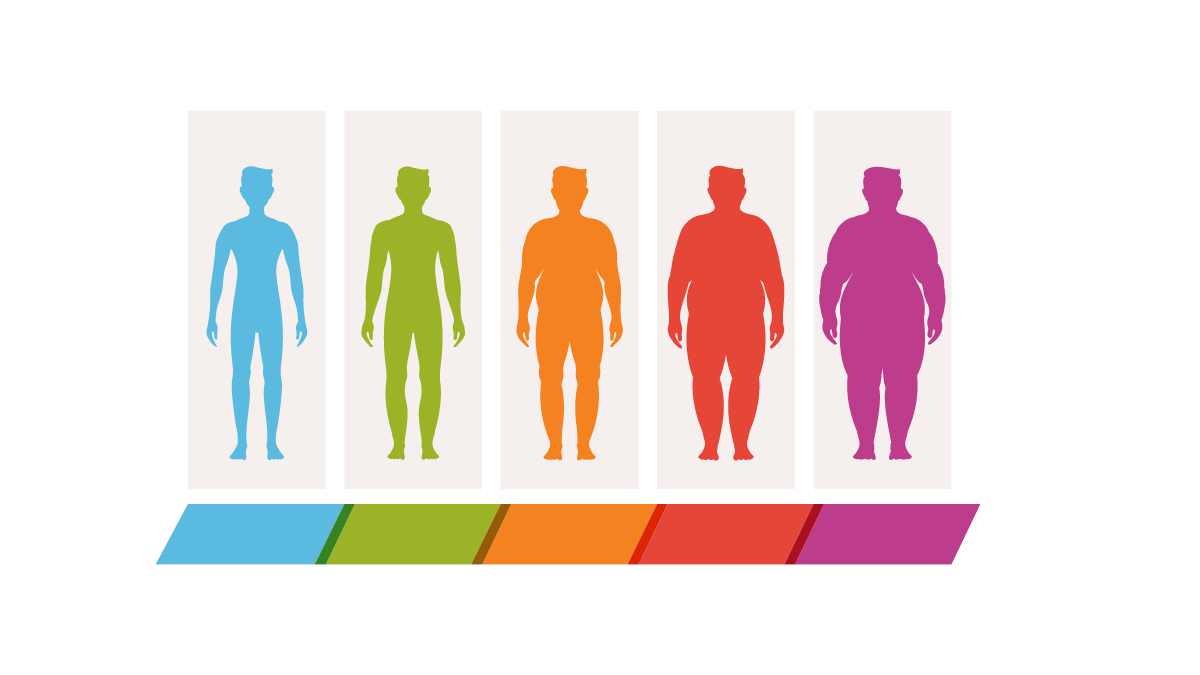

Introduction:
Understanding what constitutes a healthy body fat percentage is crucial for women, as it plays a significant role in overall health, physical performance, and well-being. Body fat percentage refers to the proportion of fat to the total body weight, and maintaining it within a healthy range can help mitigate various health risks. This article will explore the importance of body fat percentage, factors influencing it, recommended ranges by age, associated health risks, accurate measurement methods, and strategies for achieving and maintaining healthy levels.
Understanding Body Fat Percentage and Its Importance for Women
Body fat percentage is a critical indicator of health, especially for women, as it affects hormonal balance, reproductive health, and metabolic function. Maintaining an optimal body fat percentage is essential for preventing chronic diseases such as diabetes, heart disease, and certain cancers. Unlike body weight alone, which can be misleading, body fat percentage provides a clearer picture of body composition and health status.
For women, body fat serves several important functions, including energy storage, insulation, and protection of vital organs. It also plays a role in hormone production, particularly estrogen, which is crucial for reproductive health. A healthy body fat percentage can enhance physical performance and improve overall quality of life. Understanding this metric allows women to make informed decisions about their health and fitness goals.
Moreover, societal pressures and media portrayals often skew perceptions of ideal body types, leading to unhealthy behaviors. Recognizing the importance of a healthy body fat percentage can help women focus on health rather than appearance. This shift in perspective fosters a more balanced approach to fitness and well-being.
In conclusion, understanding body fat percentage is vital for women, as it directly impacts health, hormonal balance, and overall quality of life. By prioritizing this metric, women can make healthier choices and set realistic fitness goals.
Factors Influencing Healthy Body Fat Levels in Women
Several factors influence body fat levels in women, including genetics, age, hormonal fluctuations, and lifestyle choices. Genetics play a significant role in determining body composition and fat distribution. Some women may naturally have a higher or lower body fat percentage due to inherited traits, making it essential to consider individual differences when assessing health.
Age is another crucial factor, as hormonal changes during puberty, pregnancy, and menopause can significantly affect body fat levels. For instance, women often experience an increase in body fat during menopause due to decreased estrogen levels. This change can lead to a redistribution of fat, particularly around the abdomen, which is linked to various health risks.
Lifestyle choices, including diet and physical activity, also play a pivotal role in determining body fat percentage. A balanced diet rich in whole foods, coupled with regular exercise, can help maintain a healthy body fat level. Conversely, sedentary behavior and poor dietary habits can lead to excess body fat and associated health complications.
Lastly, psychological factors such as stress and mental health can impact body fat levels. Stress can lead to emotional eating or hormonal imbalances, both of which may contribute to unhealthy body fat levels. Understanding these factors can empower women to take control of their health and make informed lifestyle choices.
Recommended Body Fat Percentage Ranges for Women by Age
The recommended body fat percentage ranges for women vary by age and can be influenced by various factors. Generally, the American Council on Exercise (ACE) provides guidelines that categorize body fat levels into essential fat, athletes, fitness, acceptable, and obese. For women, a healthy body fat percentage typically ranges from 21% to 35%.
For women aged 20 to 39, the recommended body fat percentage is between 21% and 32%. This range reflects the body’s need for essential fat while allowing for healthy hormonal function and reproductive health. As women enter their 40s and 50s, the recommended range shifts slightly, with 23% to 33% being considered healthy.
In older age groups, particularly for women over 60, a body fat percentage of 24% to 36% is often deemed acceptable. This increase accounts for natural changes in metabolism and hormonal levels that occur with aging. It is essential to note that while these ranges provide a general guideline, individual health status and body composition should also be considered.
Understanding these recommended ranges can help women set realistic goals for body fat percentage based on their age and health status. This knowledge empowers women to prioritize their health and well-being throughout their lives.
Health Risks Associated with Low and High Body Fat Percentages
Maintaining body fat levels outside the recommended range can lead to various health risks. Low body fat percentages, particularly below 21%, can have detrimental effects on women’s health. Insufficient body fat can disrupt hormonal balance, leading to irregular menstrual cycles, fertility issues, and decreased bone density.
Moreover, extremely low body fat can result in a condition known as hypothalamic amenorrhea, where the body stops menstruating due to energy deficiency. This condition can have long-term implications for reproductive health and overall well-being. Additionally, low body fat levels may increase the risk of osteoporosis, as fat plays a role in calcium absorption and bone health.
Conversely, high body fat percentages, particularly above 35%, are associated with numerous health risks. Excess body fat can lead to obesity, which is linked to chronic diseases such as type 2 diabetes, heart disease, and certain cancers. Furthermore, high body fat levels can contribute to metabolic syndrome, a cluster of conditions that increase the risk of heart disease and stroke.
Understanding the health risks associated with both low and high body fat percentages is crucial for women. By recognizing these risks, women can take proactive steps to maintain their body fat levels within a healthy range.
Methods for Measuring Body Fat Percentage Accurately
Accurate measurement of body fat percentage is essential for assessing health and fitness. Several methods are available, each with its advantages and limitations. One of the most common methods is skinfold caliper measurement, which involves pinching the skin at specific sites to estimate body fat. While this method is relatively inexpensive and accessible, it requires trained personnel to ensure accuracy.
Bioelectrical impedance analysis (BIA) is another popular method that measures body fat by sending a low-level electrical current through the body. This technique is quick and non-invasive, making it suitable for various settings. However, hydration levels can affect the results, so consistency in measurement conditions is essential.
Dual-energy X-ray absorptiometry (DEXA) is considered one of the most accurate methods for measuring body fat percentage. This technique uses low-dose X-rays to differentiate between bone mass, lean mass, and fat mass. While it provides precise measurements, DEXA scans can be costly and are typically available only in clinical settings.
Lastly, hydrostatic weighing, which measures body density by submerging the individual in water, is another accurate method. However, this technique can be cumbersome and is less accessible than other methods. Choosing the right measurement method depends on individual circumstances, including budget, accessibility, and desired accuracy.
Strategies for Achieving and Maintaining Healthy Body Fat Levels
Achieving and maintaining a healthy body fat percentage requires a multifaceted approach that includes diet, exercise, and lifestyle modifications. A balanced diet rich in whole foods, such as fruits, vegetables, lean proteins, and healthy fats, is essential for supporting healthy body composition. Monitoring caloric intake and ensuring a nutrient-dense diet can help women manage their body fat levels effectively.
Regular physical activity is another critical component of maintaining a healthy body fat percentage. Incorporating both aerobic exercises, such as running or cycling, and strength training can enhance fat loss and promote muscle gain. Engaging in at least 150 minutes of moderate-intensity exercise per week is recommended for optimal health.
Additionally, adopting healthy lifestyle habits can support body fat management. Prioritizing sleep, managing stress, and staying hydrated can significantly impact body composition. Chronic stress and inadequate sleep can lead to hormonal imbalances that promote fat storage, making it crucial to address these factors.
Finally, setting realistic and achievable goals is vital for long-term success. Women should focus on gradual changes rather than drastic measures, as sustainable habits lead to lasting results. By adopting a holistic approach to health and fitness, women can effectively achieve and maintain healthy body fat levels.
Conclusions:
Understanding body fat percentage is essential for women’s health and well-being. By recognizing the importance of maintaining healthy body fat levels, women can make informed choices regarding their lifestyle, nutrition, and fitness. It is crucial to consider individual factors that influence body fat and to adopt strategies that promote overall health.
Read more:
- American Council on Exercise – Body Fat Percentage – A comprehensive guide on body fat percentage and its implications for health.
- National Institutes of Health – Body Fat Measurement – Information on different methods of measuring body fat and their accuracy.
- Mayo Clinic – Body Fat Percentage: What You Need to Know – An overview of body fat percentage and its significance for health.
- Harvard Health Publishing – The Importance of Body Fat – Insights into the role of body fat in overall health and wellness.
- Centers for Disease Control and Prevention – Body Composition – A resource for understanding body composition and its health implications.