

Se hai un abbonamento attivo ACCEDI QUI
Introduction:
Body Mass Index (BMI) is a widely used tool for assessing body weight relative to height, providing a simple numeric measure that can indicate whether an individual is underweight, normal weight, overweight, or obese. Understanding the implications of BMI, particularly for women categorized as "skinny," is crucial for evaluating overall health. This article delves into the nuances of BMI, the definition of a skinny woman, and the potential health implications associated with various BMI ranges. Additionally, it critically examines the limitations of BMI and explores alternative methods for assessing body composition and health.
Understanding Body Mass Index (BMI) and Its Significance
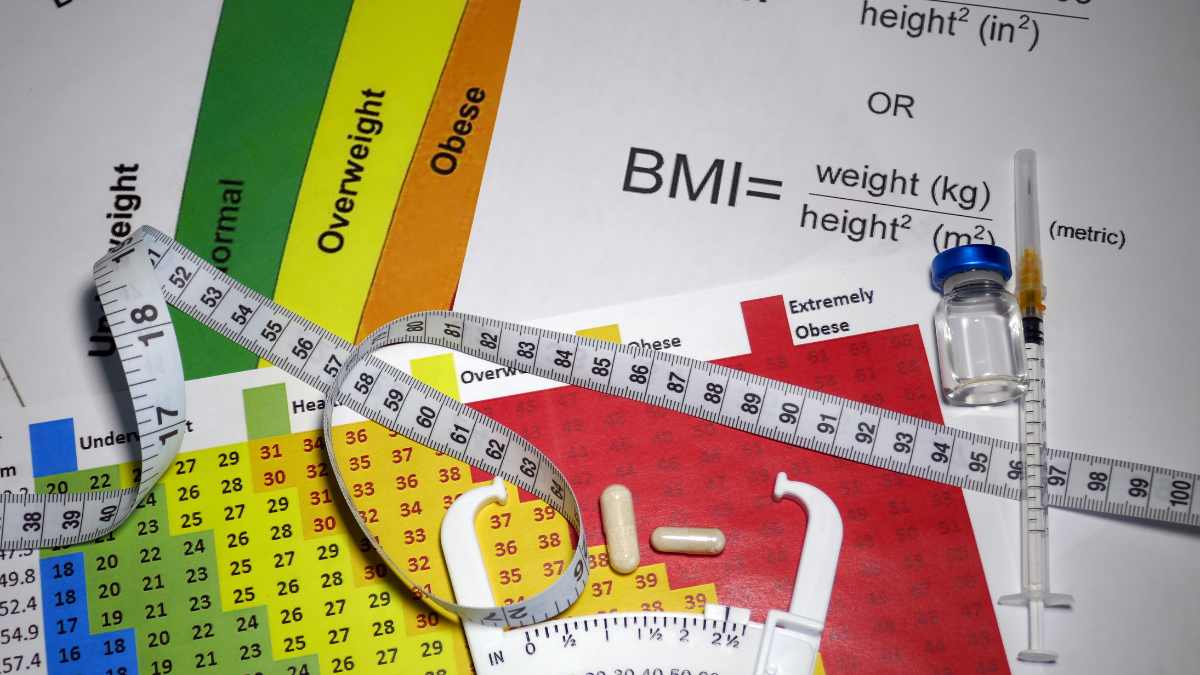
BMI is calculated by dividing a person’s weight in kilograms by the square of their height in meters. This formula provides a number that categorizes individuals into different weight categories, which can be useful for identifying potential health risks associated with being underweight, normal weight, overweight, or obese. The significance of BMI lies in its ability to serve as a quick screening tool for assessing whether an individual may be at risk for health issues related to their weight.
The World Health Organization (WHO) defines specific BMI ranges: underweight (BMI less than 18.5), normal weight (18.5 to 24.9), overweight (25 to 29.9), and obesity (30 and above). These categories help healthcare professionals identify individuals who may need further evaluation or intervention. However, it’s essential to recognize that BMI is not a definitive measure of health; it does not account for muscle mass, bone density, or fat distribution.
In the context of women’s health, understanding BMI can guide discussions about weight management, nutrition, and physical activity. Women may face unique challenges related to body image and societal expectations, making it essential to approach BMI with sensitivity and awareness. While BMI can provide a general overview, it should not be the sole determinant of a woman’s health status.
Ultimately, BMI serves as a starting point for discussions about health and wellness. It is crucial to interpret BMI results in conjunction with other health assessments, lifestyle factors, and individual circumstances to provide a comprehensive understanding of a person’s health.
Defining a Skinny Woman: BMI Categories Explained
A "skinny" woman is typically defined as someone who falls into the underweight category of the BMI scale, which is characterized by a BMI of less than 18.5. This classification can often lead to misconceptions about health, as being skinny is not synonymous with being healthy. Many individuals in this category may experience nutritional deficiencies, weakened immune systems, and other health complications that can arise from inadequate body weight.
The underweight category can be further subdivided into mild (BMI 17-18.4), moderate (BMI 16-16.9), and severe (BMI less than 16). Each of these subcategories can indicate varying levels of health risk. For instance, a woman with a BMI of 17 may be at a lower risk than one with a BMI of 15, but both may require medical attention to address potential underlying health issues.
It’s important to recognize that the perception of being skinny can vary significantly across cultures and societies. In some contexts, being thin is celebrated, while in others, it may be stigmatized. This cultural lens can influence how women view their bodies and their relationship with food, exercise, and overall health.
Defining a skinny woman through BMI categories can help healthcare providers identify those who may need support. However, it is crucial to approach this definition with care, ensuring that discussions around weight do not contribute to body shaming or unhealthy behaviors.
Calculating BMI: Formula and Methodology for Accuracy
To calculate BMI accurately, one must use the following formula: BMI = weight (kg) / (height (m))². For example, if a woman weighs 50 kg and is 1.65 meters tall, her BMI would be calculated as follows: 50 / (1.65)² = 18.37. This calculation places her in the underweight category, indicating a need for further assessment of her health.
It is essential to ensure that measurements of weight and height are accurate to obtain a reliable BMI. Weight should be measured using a calibrated scale, while height should be measured without shoes, standing straight against a wall. Small errors in measurement can lead to significant differences in BMI calculations, particularly for individuals near the cutoff points between categories.
Healthcare professionals often use BMI as a preliminary screening tool, but they may also consider other factors such as age, sex, and ethnicity when interpreting results. For instance, women may have different body compositions compared to men, necessitating a more nuanced approach to understanding BMI outcomes.
In clinical settings, BMI calculations can be supplemented with other assessments, such as waist circumference and body fat percentage measurements, to provide a more comprehensive view of an individual’s health. This multifaceted approach can help identify those who may be at risk for health issues despite having a "normal" BMI.
Ideal BMI Range for Women: Health Implications and Risks
The ideal BMI range for women is generally considered to be between 18.5 and 24.9. Within this range, women are typically at a lower risk for developing health issues related to weight, such as heart disease, diabetes, and certain cancers. However, it is important to note that health is not solely determined by BMI; factors such as genetics, lifestyle, and mental health also play significant roles.
Women with a BMI below 18.5 may face various health implications, including weakened immune function, osteoporosis, and reproductive issues. For instance, being underweight can lead to irregular menstrual cycles and fertility problems, which can have long-term consequences on a woman’s health and well-being. Moreover, underweight individuals may experience fatigue and decreased muscle strength, impacting their quality of life.
Conversely, women with a BMI above 24.9 may also encounter health risks, including obesity-related conditions such as hypertension, type 2 diabetes, and cardiovascular disease. This highlights the importance of maintaining a healthy weight within the recommended range and adopting a balanced lifestyle that includes proper nutrition and regular physical activity.
Ultimately, the ideal BMI range serves as a guideline, but it is essential for women to focus on overall health rather than solely on weight. Engaging in healthy behaviors, such as eating a balanced diet and staying physically active, can contribute to improved well-being, regardless of BMI.
Limitations of BMI: A Critical Analysis of Its Use
Despite its widespread use, BMI has several limitations that must be acknowledged. One of the primary criticisms of BMI is that it does not differentiate between muscle and fat mass. As a result, individuals with high muscle mass, such as athletes, may be classified as overweight or obese despite having low body fat percentages. This can lead to misinterpretations of health status and unnecessary concern.
Additionally, BMI does not account for fat distribution, which is a critical factor in assessing health risks. For instance, individuals with a higher concentration of visceral fat (fat stored around the organs) are at a greater risk for metabolic diseases, regardless of their overall BMI. Therefore, relying solely on BMI can overlook important aspects of body composition that contribute to health outcomes.
Another limitation of BMI is its inability to reflect changes in body composition over time. For example, a woman may lose weight but gain muscle, resulting in a stable BMI while her overall health improves. This underscores the need for a more comprehensive approach to assessing health that considers various factors beyond weight alone.
Finally, BMI may not be culturally sensitive, as it does not account for variations in body shapes and sizes across different populations. This can lead to misclassification and stigmatization of individuals based on their BMI, further complicating discussions about health and wellness.
Alternative Metrics for Assessing Body Composition and Health
Given the limitations of BMI, several alternative metrics can provide a more comprehensive view of body composition and health. One such metric is body fat percentage, which measures the proportion of fat in relation to total body weight. This can be assessed through various methods, including skinfold measurements, bioelectrical impedance analysis, and dual-energy X-ray absorptiometry (DEXA).
Waist circumference is another valuable measurement, as it can indicate abdominal fat distribution. Research has shown that excess abdominal fat is associated with a higher risk of metabolic diseases, making waist circumference a critical factor in assessing health risks. Guidelines suggest that women should maintain a waist circumference of less than 80 cm to minimize health risks.
Additionally, waist-to-hip ratio (WHR) is a useful metric for evaluating body composition. This measurement compares the circumference of the waist to that of the hips, providing insight into fat distribution. A higher WHR indicates a greater risk of cardiovascular disease and other health issues, making it a valuable tool for health assessment.
Lastly, incorporating lifestyle factors such as physical activity levels, dietary habits, and mental health can provide a more holistic view of an individual’s health. By considering these factors alongside body composition metrics, healthcare professionals can better support women in achieving optimal health and well-being.
Conclusions:
In summary, understanding BMI and its implications for women categorized as "skinny" is crucial for assessing health risks and promoting overall well-being. While BMI serves as a helpful screening tool, it is essential to recognize its limitations and consider alternative metrics for a more comprehensive evaluation of health. By fostering a holistic approach that includes body composition assessments and lifestyle factors, women can make informed decisions about their health and well-being.
Read more
-
World Health Organization – BMI Classification
This source provides an overview of BMI classifications and their implications for health, as defined by the WHO. -
Centers for Disease Control and Prevention – About Adult BMI
The CDC offers a comprehensive explanation of BMI, including how to calculate it and its significance in assessing health. -
National Institutes of Health – Body Fat Percentage
This resource discusses the importance of body fat percentage as an alternative metric for assessing body composition and health. -
Harvard Health Publishing – The Limitations of BMI
Harvard Health explores the limitations of BMI and emphasizes the importance of considering other health metrics. -
American Heart Association – Waist-to-Hip Ratio
This article explains the significance of waist-to-hip ratio in assessing health risks associated with body fat distribution.