

Se hai un abbonamento attivo ACCEDI QUI
Introduction:
In today’s society, the concept of body image is heavily influenced by various factors, including media portrayal, cultural standards, and personal experiences. For women, particularly those who are 5’4" tall, the definition of being considered "skinny" can vary widely. This article aims to explore the parameters surrounding this topic, including the role of Body Mass Index (BMI), weight ranges, health implications, and the psychological aspects of weight perception.
Understanding Body Mass Index (BMI) for Women at 5’4"
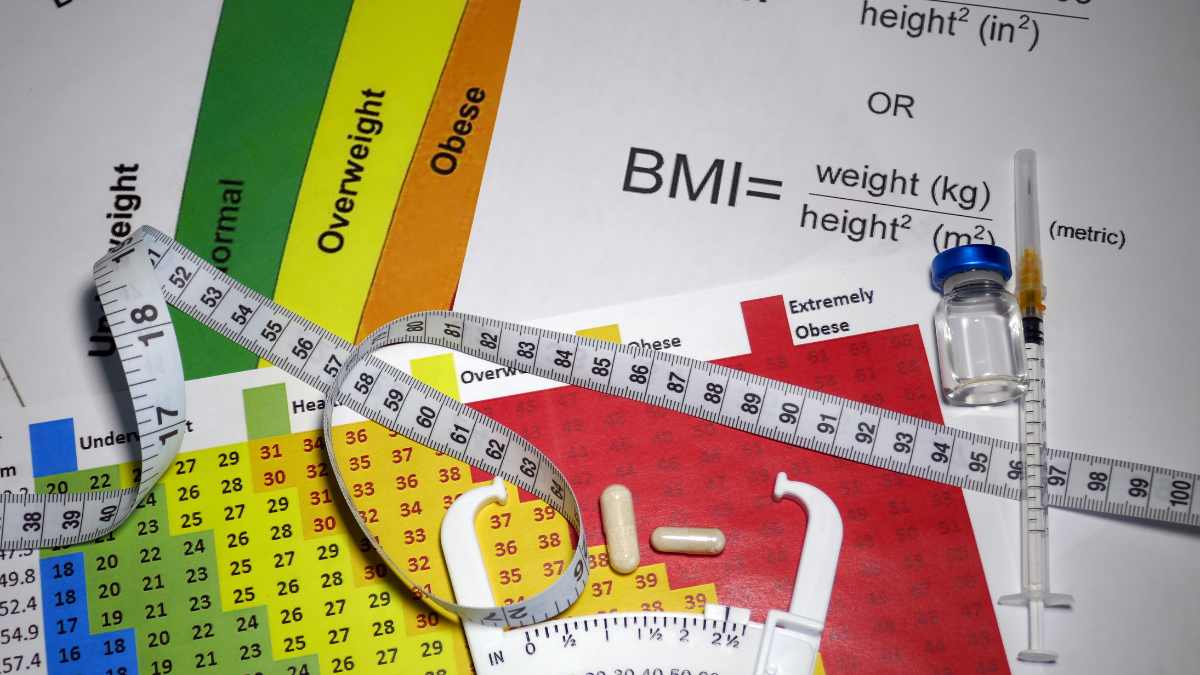
Body Mass Index (BMI) is a widely used tool for assessing body weight in relation to height. For a woman who is 5’4", a BMI of 18.5 to 24.9 is generally considered to be within the normal weight range. A BMI below 18.5 categorizes an individual as underweight, while a BMI above 24.9 is classified as overweight. This measurement provides a basic guideline for understanding weight categories, but it does not account for variations in body composition or distribution of fat.
To calculate BMI, the formula is weight in kilograms divided by height in meters squared. For example, a 5’4" female weighing 110 pounds (approximately 50 kg) would have a BMI of about 19. This falls within the normal range, suggesting that she is neither underweight nor overweight. However, it is essential to recognize that BMI does not differentiate between muscle and fat, which can lead to misleading interpretations of health and fitness.
The BMI scale has its limitations, particularly for women who may have higher muscle mass due to athletic training. In such cases, a higher BMI may not accurately reflect an individual’s health status. Therefore, while BMI is a useful starting point, it should not be the sole determinant of whether a woman is considered "skinny" or healthy.
Ultimately, understanding BMI is crucial for women at 5’4" as it provides a framework for assessing weight categories. However, it is essential to consider other factors, such as body composition and lifestyle, when evaluating overall health and well-being.
Analyzing Weight Ranges for a 5’4" Female: A Technical Overview
The weight range considered "skinny" for a 5’4" female can vary depending on multiple factors, including age, muscle mass, and overall body composition. Generally, a weight of less than 110 pounds is often categorized as underweight, which may be perceived as "skinny." However, this categorization can be misleading, as it does not account for individual differences.
According to the National Institutes of Health (NIH), a weight range of 110 to 145 pounds is typically classified as normal for a 5’4" female. Those falling below this range may be viewed as skinny, but health professionals caution against labeling individuals solely based on weight. Factors such as bone density, muscle mass, and fat distribution significantly influence how weight is perceived and its implications for health.
It is also important to consider that societal standards of beauty can skew perceptions of what is considered skinny. In some cultures, a lower weight may be idealized, while in others, a more robust figure may be celebrated. This cultural variance complicates the understanding of weight categories and the implications for women’s health.
Ultimately, while technical weight ranges provide a framework for understanding what is considered skinny, individual health should be the primary focus. Women should aim for a weight that is sustainable and healthy for their unique body composition and lifestyle.
Health Implications of Being Considered ‘Skinny’ at 5’4"
Being categorized as "skinny" can have both positive and negative health implications. On one hand, a lower weight may reduce the risk of certain health issues, such as heart disease and diabetes. However, being underweight can also pose significant health risks, including nutrient deficiencies, weakened immune function, and osteoporosis.
Women who are considered skinny may experience social pressures to maintain or lose weight, which can lead to unhealthy behaviors such as restrictive dieting or excessive exercise. These behaviors can result in disordered eating patterns, which have long-term consequences for both physical and mental health.
Furthermore, the perception of being skinny can lead to a lack of awareness regarding the importance of nutritional balance. Women who focus solely on weight may neglect essential nutrients, leading to deficiencies that can affect energy levels, mood, and overall well-being.
In summary, while being considered skinny may seem desirable, it is crucial to recognize the potential health implications. Women should prioritize a balanced approach to health that considers weight, nutrition, and overall lifestyle.
Factors Influencing Perceptions of Skinniness in Women
Perceptions of skinniness are influenced by a myriad of factors, including cultural norms, media representations, and personal experiences. In many Western cultures, there is a prevalent idealization of thinness, often perpetuated by social media and fashion industries. This societal pressure can lead women to strive for a weight that may not be healthy or sustainable for their individual bodies.
Cultural backgrounds also play a significant role in shaping perceptions of beauty and body image. In some cultures, fuller figures are celebrated, while in others, thinness is equated with beauty and success. These differing standards can create confusion and anxiety regarding body image, particularly for women trying to navigate their self-worth in relation to societal expectations.
Additionally, personal experiences, such as family attitudes toward weight and body image, can significantly impact how women perceive themselves. Women who grow up in environments where weight is heavily scrutinized may develop distorted views of their bodies, leading to unhealthy comparisons and self-esteem issues.
Ultimately, understanding the factors that influence perceptions of skinniness is essential for promoting body positivity and self-acceptance among women. Challenging societal norms and embracing diverse body types can foster a healthier relationship with one’s body.
Comparing Body Composition: Muscle vs. Fat in Females
When discussing weight, it is essential to differentiate between muscle and fat, as they have different implications for health and appearance. Muscle is denser than fat, meaning that a woman with a higher muscle mass may weigh more but still appear slim. This distinction is crucial for women who are physically active or engaged in strength training, as they may not fit the traditional mold of being "skinny."
Body composition is a more accurate indicator of health than weight alone. Women with higher muscle mass may have a lower body fat percentage, which is often associated with improved metabolic health, strength, and endurance. Conversely, women with a higher percentage of body fat may be at greater risk for health issues, regardless of their weight.
Understanding body composition can also help women set realistic health and fitness goals. Instead of focusing solely on weight, women should consider their overall health, including muscle-to-fat ratios, cardiovascular fitness, and nutritional habits. This holistic approach can lead to better health outcomes and a more positive body image.
In conclusion, comparing body composition is vital for understanding health and fitness. Women should prioritize building muscle and reducing body fat rather than solely focusing on achieving a specific weight.
Psychological Effects of Weight Perception in Women’s Health
The psychological effects of weight perception can be profound, particularly for women. Societal pressures to conform to a certain body type can lead to feelings of inadequacy, low self-esteem, and body dissatisfaction. These feelings can contribute to mental health issues such as anxiety and depression, creating a vicious cycle of negative body image and unhealthy behaviors.
Women who perceive themselves as overweight, even when they are within a healthy weight range, may engage in harmful practices such as extreme dieting, excessive exercise, or even the use of weight loss supplements. These behaviors can have detrimental effects on both physical and mental health, leading to long-term consequences.
Moreover, the stigma associated with being overweight or underweight can further exacerbate feelings of isolation and self-criticism. Women may feel judged or misunderstood by peers, leading to a reluctance to seek help or support for their mental health struggles. This stigma can create barriers to accessing resources that promote body positivity and mental well-being.
Ultimately, addressing the psychological effects of weight perception is crucial for women’s health. Promoting a culture of acceptance and encouraging women to embrace their unique bodies can foster a healthier relationship with food, exercise, and self-image.
Conclusions:
In summary, the concept of being considered "skinny" for a 5’4" female is multifaceted and influenced by various factors, including BMI, weight ranges, cultural perceptions, and psychological health. While societal standards may dictate what is considered ideal, it is essential for women to prioritize their overall health and well-being over arbitrary weight categories. Embracing a holistic approach that considers body composition, mental health, and personal experiences can lead to a more positive body image and healthier lifestyle choices.
Read more:
- National Institutes of Health – BMI Calculator – A resource for calculating BMI and understanding weight categories.
- Centers for Disease Control and Prevention – Defining Adult Overweight and Obesity – Information on weight classifications and health implications.
- World Health Organization – Body Mass Index – A comprehensive overview of obesity and its health risks.
- American Psychological Association – Body Image – Insights into the psychological aspects of body image and self-esteem.
- Harvard Health Publishing – The Importance of Body Composition – An article discussing the significance of body composition over weight alone.