

Introduction:
Body Mass Index (BMI) is a widely used tool for assessing whether an individual has a healthy body weight relative to their height. For females, understanding what constitutes a healthy BMI is crucial not only for personal health but also for broader public health initiatives. This article delves into the significance of BMI, the specific ranges deemed healthy for adult females, and the various factors influencing these metrics. Additionally, we will discuss the limitations of BMI as a health indicator and present strategies for achieving and maintaining a healthy BMI.
Understanding Body Mass Index (BMI) and Its Importance
BMI is calculated using a person’s weight in kilograms divided by the square of their height in meters (kg/m²). This simple formula provides a numerical value that categorizes individuals into different weight classifications: underweight, normal weight, overweight, and obese. The importance of BMI lies in its ability to serve as a quick screening tool for potential health risks associated with body weight. It is particularly valuable in epidemiological studies, where large populations are assessed for health trends.
For females, maintaining a healthy BMI is associated with a lower risk of chronic diseases such as diabetes, cardiovascular diseases, and certain types of cancer. Furthermore, a healthy BMI can contribute to improved mental health, self-esteem, and overall quality of life. The relationship between BMI and health outcomes underscores the need for women to be aware of their BMI and strive to maintain it within the recommended ranges.
However, it is essential to recognize that BMI is not a direct measure of body fat or health. It provides a general guideline rather than a comprehensive assessment of an individual’s health status. Therefore, while BMI can indicate potential health risks, it should be used in conjunction with other health assessments, such as waist circumference and body composition measurements.
In summary, BMI serves as a crucial starting point for evaluating health risks related to body weight. Understanding its significance can empower women to make informed decisions about their health and wellness.
Defining Healthy BMI Ranges for Adult Females
The World Health Organization (WHO) defines the following BMI categories for adults: underweight (BMI < 18.5), normal weight (BMI 18.5–24.9), overweight (BMI 25–29.9), and obesity (BMI ≥ 30). For adult females, a healthy BMI range is typically considered to be between 18.5 and 24.9. This range is associated with the lowest risk of health complications and is generally seen as the ideal target for women.
It is important to note that the healthy BMI range may vary slightly based on factors such as age, ethnicity, and muscle mass. For instance, some studies suggest that women of different ethnic backgrounds may have varying health risks at the same BMI. Therefore, it is essential for healthcare providers to consider these factors when advising women about their weight and health.
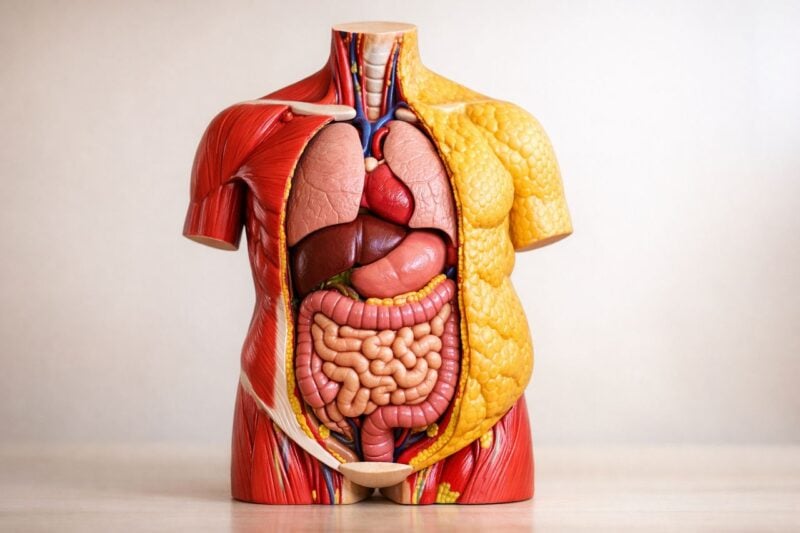
In addition to the general BMI categories, it is also crucial to consider the distribution of body fat. Women with a higher proportion of fat concentrated around the abdomen may face increased health risks, even if their BMI falls within the normal range. This highlights the importance of not only focusing on BMI but also on body composition and fat distribution.
Ultimately, understanding the healthy BMI range for females is vital for promoting health and preventing disease. Women should aim to maintain their BMI within this range while also considering other health indicators to ensure a holistic approach to wellness.
Factors Influencing BMI and Female Health Outcomes
Several factors can influence a woman’s BMI and overall health outcomes. Genetics play a significant role, as they can affect metabolism, fat distribution, and body composition. Women with a family history of obesity or metabolic disorders may be predisposed to higher BMI levels, necessitating a more proactive approach to weight management.
Lifestyle choices are another critical factor impacting BMI. Diet, physical activity, and sleep patterns significantly influence body weight and overall health. A balanced diet rich in fruits, vegetables, whole grains, and lean proteins, combined with regular physical activity, can help women maintain a healthy BMI. Conversely, sedentary lifestyles and poor dietary choices can lead to weight gain and increased BMI.
Hormonal changes throughout a woman’s life, such as those occurring during puberty, pregnancy, and menopause, can also affect BMI. These changes can influence body composition and fat distribution, making it essential for women to adapt their health strategies accordingly. For instance, hormonal fluctuations during menopause may lead to increased abdominal fat, which can elevate health risks.
Lastly, socioeconomic factors can impact BMI and health outcomes. Access to healthcare, education, and resources for healthy living can vary widely among different populations, influencing women's ability to maintain a healthy BMI. Addressing these disparities is crucial for promoting health equity and improving outcomes for women across diverse backgrounds.
Limitations of BMI as a Measure of Health
While BMI is a useful screening tool, it has several limitations that must be acknowledged. One significant drawback is that BMI does not differentiate between fat mass and lean body mass, including muscle and bone. As a result, individuals with high muscle mass may be classified as overweight or obese despite having low body fat. This is particularly relevant for athletic women who may have a higher BMI due to increased muscle mass.
Another limitation is that BMI does not account for the distribution of body fat. Research indicates that fat distribution, particularly abdominal fat, is a more significant risk factor for health complications than overall body weight. Women with a normal BMI but high abdominal fat may still be at risk for conditions such as heart disease and diabetes, highlighting the need for a more comprehensive assessment of health.
Furthermore, BMI does not consider age-related changes in body composition. As women age, they typically experience a loss of muscle mass and an increase in body fat. This shift can result in an increased BMI even in the absence of significant weight gain, complicating the interpretation of BMI as a health indicator.
Lastly, cultural and ethnic differences can influence BMI interpretations. What is considered a healthy BMI may vary across different populations, and using a one-size-fits-all approach can lead to misclassification and inappropriate health recommendations. Therefore, it is essential to use BMI as part of a broader assessment of health that includes other indicators and individual factors.
Strategies for Achieving and Maintaining a Healthy BMI
Achieving and maintaining a healthy BMI requires a multifaceted approach that encompasses diet, physical activity, and lifestyle modifications. Nutrition plays a pivotal role in weight management. Women should focus on consuming a balanced diet that includes a variety of nutrient-dense foods. This means prioritizing whole foods, such as fruits, vegetables, whole grains, lean proteins, and healthy fats, while minimizing processed foods, added sugars, and saturated fats.
In addition to nutrition, regular physical activity is essential for maintaining a healthy BMI. The Centers for Disease Control and Prevention (CDC) recommends that adults engage in at least 150 minutes of moderate-intensity aerobic activity each week, along with muscle-strengthening activities on two or more days. Incorporating both aerobic and strength-training exercises can help women build muscle, boost metabolism, and promote overall health.
Behavioral strategies can also support weight management efforts. Setting realistic goals, tracking food intake and physical activity, and seeking social support can enhance motivation and accountability. Women may benefit from working with healthcare professionals, such as dietitians or personal trainers, to develop personalized plans that align with their health goals.
Finally, mindfulness and stress management techniques can contribute to maintaining a healthy BMI. Stress can lead to emotional eating and unhealthy lifestyle choices, so practicing mindfulness, meditation, or yoga can help women manage stress and make healthier decisions. Prioritizing sleep and self-care is equally important, as adequate rest is crucial for overall health and weight management.
Conclusion: The Role of BMI in Women's Health Management
In conclusion, BMI is a valuable tool for assessing body weight and potential health risks in women. Understanding the healthy BMI range, along with the factors influencing it, is essential for promoting women's health and well-being. While BMI has its limitations, it can serve as a useful starting point for discussions about weight management and overall health.
Women should strive to maintain their BMI within the healthy range while considering other health indicators, such as body composition and fat distribution. By adopting a comprehensive approach that includes balanced nutrition, regular physical activity, and healthy lifestyle choices, women can achieve and sustain a healthy BMI.
Ultimately, health is a multifaceted concept that goes beyond numbers on a scale. By prioritizing overall well-being, women can take charge of their health and reduce the risk of chronic diseases, leading to a healthier and more fulfilling life.
Read more:
-
World Health Organization – BMI Classification
This source provides comprehensive information on BMI classifications and their implications for health. -
Centers for Disease Control and Prevention – Healthy Weight
The CDC offers guidelines and resources for achieving and maintaining a healthy weight. -
Mayo Clinic – BMI: What It Is and How to Calculate It
This article explains how to calculate BMI and its significance in health assessments. -
National Heart, Lung, and Blood Institute – Assessing Your Weight and Health
This resource provides tools and information for understanding BMI and its role in health. -
Harvard Health Publishing – The Limitations of BMI
This article discusses the limitations of BMI as a health measure and offers alternative assessments for body composition.