

Se hai un abbonamento attivo ACCEDI QUI
Introduction:
Body Mass Index (BMI) is a widely used metric that provides a simple and effective way to assess whether an individual has a healthy body weight for a given height. However, understanding the correct BMI for your age is crucial, as it can vary significantly across different life stages. This article delves into the intricacies of BMI, emphasizing the importance of age in its calculations, how to accurately calculate it, and the implications it holds for various age groups. Additionally, we will explore the limitations of BMI as a health indicator.
Understanding Body Mass Index: A Technical Overview
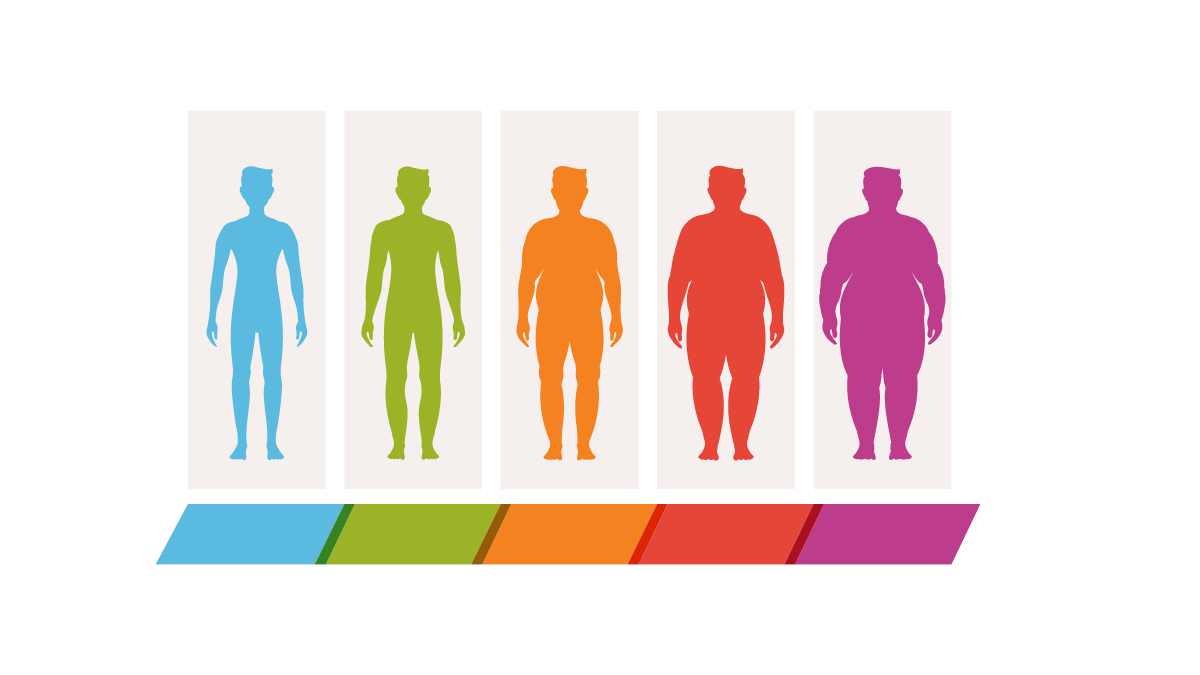
BMI is defined as a person’s weight in kilograms divided by the square of their height in meters. This formula yields a numerical value that categorizes individuals into various weight classifications: underweight, normal weight, overweight, and obese. The simplicity of the BMI calculation makes it a popular tool in both clinical and public health settings. However, it is essential to recognize that BMI does not directly measure body fat or health status; rather, it serves as a screening tool that can indicate potential health risks associated with weight.
The BMI scale is standardized, with specific cutoffs established by organizations such as the World Health Organization (WHO). These cutoffs are based on population studies that correlate BMI with health outcomes, such as cardiovascular disease and diabetes. While the BMI provides a useful starting point for assessing weight-related health risks, it does not account for variations in body composition, such as muscle mass versus fat mass. This is particularly relevant in athletic populations, where individuals may have a high BMI due to increased muscle mass rather than excess fat.
Understanding BMI also requires an awareness of its historical context. The index was developed in the early 19th century by the Belgian mathematician Adolphe Quetelet, who sought to establish a formula that could quantify body weight relative to height. Since then, it has evolved into a critical tool for epidemiologists and healthcare providers. Despite its limitations, BMI remains a widely accepted metric for assessing population health trends and guiding public health initiatives.
In summary, while BMI is a valuable tool for assessing weight categories, it is essential to consider its limitations and the context in which it is applied. Understanding the technical aspects of BMI provides a foundation for interpreting its significance, particularly when age is factored into the equation.
The Importance of Age in BMI Calculations
Age plays a pivotal role in determining the appropriate BMI range for individuals. As people age, their body composition changes, often leading to an increase in body fat and a decrease in muscle mass. This natural progression can affect the accuracy of BMI as a health indicator. For instance, older adults may have a higher BMI due to increased fat accumulation, even if they are physically active and healthy.
Additionally, children and adolescents have different BMI standards than adults. Growth patterns during childhood and adolescence necessitate age-specific BMI percentiles that account for variations in height and weight as children develop. The Centers for Disease Control and Prevention (CDC) provides growth charts that help healthcare providers assess whether a child is underweight, at a healthy weight, overweight, or obese based on their age and sex.
Another critical factor is the onset of age-related health conditions, such as osteoporosis and sarcopenia, which can influence body composition and health risks. For example, individuals over the age of 65 may be at a higher risk for complications associated with obesity, even if their BMI falls within the normal range. Therefore, healthcare providers must consider age when interpreting BMI results and making recommendations for weight management.
In conclusion, age is a significant factor in BMI calculations, as it influences body composition and health risks. Understanding the age-related nuances of BMI is essential for accurate assessments and effective interventions.
How to Accurately Calculate Your BMI
Calculating your BMI is a straightforward process that involves measuring your weight and height. To begin, weigh yourself using a reliable scale, preferably in the morning after waking up and before eating. Record your weight in kilograms. Next, measure your height using a stadiometer or a measuring tape. Ensure that you stand straight with your heels together and your back against a wall for an accurate measurement. Record your height in meters.
Once you have both measurements, you can use the BMI formula:
[ text{BMI} = frac{text{weight (kg)}}{text{height (m)}^2} ]
For example, if you weigh 70 kg and are 1.75 m tall, your BMI would be calculated as follows:
[ text{BMI} = frac{70}{1.75^2} approx 22.86 ]
This value would place you in the "normal weight" category according to the standard BMI classifications.
It is also important to note that there are various online BMI calculators available, which can simplify the process. However, ensure that these tools are reputable and provide accurate calculations based on the standard BMI formula. When using an online calculator, input your weight and height as instructed, and the calculator will automatically generate your BMI.
Finally, keep in mind that BMI calculations should be interpreted in conjunction with other health assessments. While BMI provides valuable information about weight status, it should not be the sole determinant of health. Regular health check-ups and consultations with healthcare professionals are essential for a comprehensive understanding of your health.
Age-Specific BMI Ranges: What You Need to Know
Age-specific BMI ranges are crucial for accurately assessing weight status across different life stages. For adults, the standard BMI categories are as follows: underweight (BMI < 18.5), normal weight (BMI 18.5-24.9), overweight (BMI 25-29.9), and obesity (BMI ≥ 30). These categories are relatively consistent across adult age groups, but the implications of being in each category can vary based on age.
For children and adolescents, BMI is interpreted differently. Instead of fixed categories, the CDC uses percentile ranks to assess weight status. A child with a BMI at or above the 95th percentile is classified as obese, while those between the 85th and 95th percentiles are considered overweight. This approach accounts for the natural variations in growth and development that occur during childhood and adolescence, ensuring that assessments are age-appropriate.
Older adults may also require specific considerations when interpreting BMI. Research indicates that the relationship between BMI and health outcomes can differ in older populations. For instance, some studies suggest that a slightly higher BMI may be associated with better health outcomes in older adults, a phenomenon known as the "obesity paradox." This highlights the need for individualized assessments that consider age, health status, and body composition.
In summary, understanding age-specific BMI ranges is essential for accurate health assessments. Different life stages necessitate distinct interpretations of BMI, ensuring that individuals receive appropriate guidance based on their unique circumstances.
Implications of BMI for Different Age Groups
The implications of BMI can vary significantly across different age groups, influencing health outcomes and risk factors. For children and adolescents, a high BMI can indicate potential health issues, including diabetes, hypertension, and psychosocial challenges. Early identification of weight-related problems is crucial, as interventions during childhood can lead to healthier habits and improved long-term outcomes.
In adults, the implications of BMI are well-documented, with higher BMI values associated with an increased risk of chronic diseases such as heart disease, stroke, and certain cancers. However, it is important to consider other factors, such as physical activity levels, dietary habits, and metabolic health, when evaluating an individual's overall health. A person with a high BMI may still be metabolically healthy if they maintain an active lifestyle and a balanced diet.
For older adults, the relationship between BMI and health is more complex. While a high BMI may indicate obesity and associated health risks, some studies suggest that older adults with a higher BMI may experience lower mortality rates compared to their underweight counterparts. This underscores the importance of considering factors such as muscle mass, functional status, and overall health when interpreting BMI in older populations.
In conclusion, the implications of BMI are multifaceted and vary across different age groups. Understanding these differences is essential for developing effective health interventions and promoting overall well-being.
Limitations of BMI: Beyond the Numbers
While BMI is a useful screening tool, it has several limitations that must be acknowledged. One of the primary criticisms of BMI is that it does not differentiate between fat mass and lean body mass. As a result, individuals with high muscle mass, such as athletes, may be classified as overweight or obese despite having low body fat percentages. This limitation can lead to misinterpretations of health status and unnecessary concern.
Another limitation of BMI is its inability to account for fat distribution. Research has shown that visceral fat, which surrounds internal organs, poses a greater health risk than subcutaneous fat, which is located just beneath the skin. BMI does not provide insights into where fat is distributed in the body, making it an incomplete measure of health risk. Waist circumference and waist-to-hip ratio are additional metrics that can provide valuable information about fat distribution and associated health risks.
Cultural and ethnic differences also play a role in the interpretation of BMI. Studies have shown that the relationship between BMI and health outcomes can vary across different populations. For instance, certain ethnic groups may experience health risks at lower BMI thresholds than others. Therefore, using a one-size-fits-all approach to BMI may not be appropriate for diverse populations.
In summary, while BMI is a valuable tool for assessing weight status, it is essential to recognize its limitations. A comprehensive health assessment should consider multiple factors, including body composition, fat distribution, and individual health conditions, to provide a more accurate picture of overall health.
Conclusions:
Understanding the correct BMI for your age involves a multifaceted approach that considers the nuances of body composition, age-related changes, and health implications. While BMI serves as a useful screening tool, it is crucial to interpret its results in conjunction with other health assessments. By recognizing the importance of age in BMI calculations and acknowledging the limitations of the metric, individuals can make informed decisions about their health and well-being.
Read more:
- World Health Organization – BMI Classification – This resource provides an overview of BMI classifications and their implications for health.
- Centers for Disease Control and Prevention – BMI Percentile Calculator – An interactive tool for calculating BMI and understanding weight status in children and adolescents.
- National Institutes of Health – Understanding Adult BMI – A comprehensive guide to understanding BMI and its significance for adults.
- Mayo Clinic – BMI: What It Is and How to Calculate It – An article explaining BMI, its calculation, and its limitations.
- Harvard Health Publishing – The Limitations of BMI – A critical analysis of the limitations of BMI and alternative measures of health.