

Introduction:
Body Mass Index (BMI) is a widely used metric that serves as an indicator of body fat based on an individual’s weight and height. While it is a simple and cost-effective tool for assessing body weight categories, it has its limitations. Understanding the danger zone for BMI is crucial for identifying potential health risks associated with both high and low values. This article delves into the technical aspects of BMI, defines the thresholds that constitute the danger zone, examines the health risks linked to high and low BMI levels, evaluates the limitations of BMI in clinical assessments, and offers strategies for maintaining a healthy BMI.
Understanding Body Mass Index: A Technical Overview
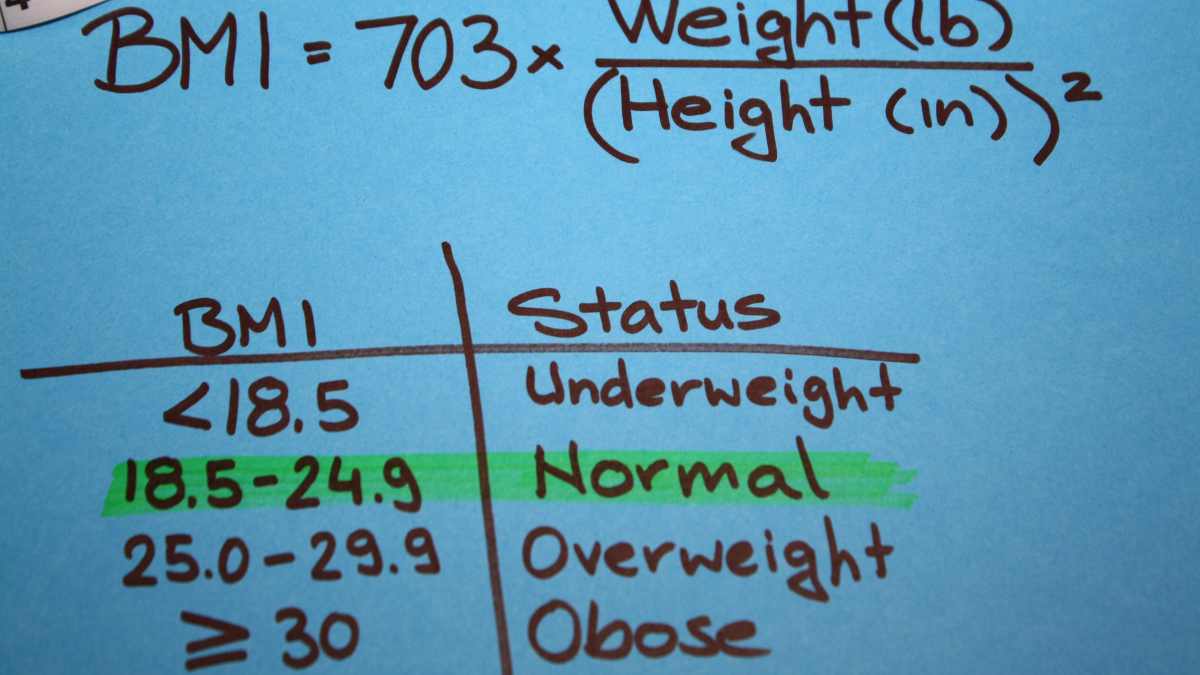
BMI is calculated using the formula: weight in kilograms divided by the square of height in meters (kg/m²). This straightforward calculation provides a numerical value that categorizes individuals into various weight classifications: underweight, normal weight, overweight, and obese. The simplicity of this formula makes it a popular choice for health professionals and researchers alike. However, it is essential to note that BMI does not directly measure body fat percentage, nor does it account for factors such as muscle mass, bone density, and distribution of fat.
The World Health Organization (WHO) classifies BMI into several categories: underweight (BMI < 18.5), normal weight (BMI 18.5–24.9), overweight (BMI 25–29.9), and obesity (BMI ≥ 30). These thresholds are based on epidemiological studies correlating BMI with health outcomes. While BMI can provide a general indication of body fat, it is important to recognize that it does not differentiate between fat and lean body mass, which can lead to misinterpretations of an individual's health status.
In clinical settings, BMI is often used as a screening tool to identify individuals who may be at risk for obesity-related health issues. However, it is not a diagnostic tool; further assessments are needed to evaluate overall health. For instance, waist circumference and body composition analysis can provide additional insights into an individual's health risks, particularly in cases where BMI may be misleading.
Despite its limitations, BMI remains a valuable tool for public health initiatives and epidemiological studies. It allows for large-scale assessments of population health trends and facilitates the identification of at-risk groups. Understanding the technical aspects of BMI is essential for interpreting its implications for individual and public health.
Defining the Danger Zone: BMI Thresholds Explained
The danger zone for BMI is primarily defined by the categories of overweight and obesity. Individuals with a BMI of 25 or higher are considered overweight, while those with a BMI of 30 or above fall into the obesity category. These thresholds are significant because they correlate with increased health risks, including cardiovascular disease, type 2 diabetes, and certain cancers. The higher the BMI, the greater the risk of developing these chronic conditions, making it imperative to understand the implications of these classifications.
Moreover, within the obesity category, there are further distinctions: Class 1 (BMI 30–34.9), Class 2 (BMI 35–39.9), and Class 3 (BMI ≥ 40). Class 3 obesity, often referred to as severe or morbid obesity, carries the highest health risks and is associated with a significantly increased likelihood of premature death. Understanding these classifications helps health professionals tailor interventions and treatment plans for individuals at varying levels of risk.
Conversely, the danger zone is not limited to high BMI values. Individuals with a BMI below 18.5 are classified as underweight, which also poses health risks. Underweight individuals may experience malnutrition, weakened immune function, and osteoporosis, among other issues. Therefore, both ends of the BMI spectrum warrant attention and intervention.
In summary, the danger zone for BMI encompasses both high and low values, each associated with distinct health risks. Recognizing these thresholds is crucial for effective health assessments and interventions, ensuring that individuals receive the appropriate care based on their BMI classification.
Health Risks Associated with High BMI Levels
High BMI levels are closely linked to a myriad of health risks. One of the most significant concerns is the increased likelihood of developing cardiovascular diseases. Excess body fat, particularly around the abdomen, can lead to hypertension, high cholesterol levels, and ultimately heart disease. Studies have consistently shown that individuals with higher BMI levels are more prone to these conditions, underscoring the importance of maintaining a healthy weight.
Another major health risk associated with elevated BMI is type 2 diabetes. Obesity is a primary risk factor for insulin resistance, which can lead to the development of diabetes. The relationship between high BMI and diabetes is well-documented, with research indicating that even modest weight loss can significantly reduce the risk of developing this chronic condition. Thus, understanding the implications of high BMI is essential for preventing diabetes and managing overall health.
In addition to cardiovascular diseases and diabetes, high BMI levels are also correlated with certain types of cancer. Research has identified a link between obesity and increased risks of cancers such as breast, colon, and endometrial cancer. The mechanisms behind this association are complex and may involve hormonal changes, inflammation, and insulin resistance. Recognizing these risks is crucial for individuals with high BMI levels, as it emphasizes the importance of weight management in cancer prevention.
Lastly, high BMI can lead to a range of other health complications, including sleep apnea, osteoarthritis, and reproductive issues. These conditions can significantly impact an individual's quality of life and overall well-being. Therefore, addressing high BMI levels is not only vital for reducing the risk of chronic diseases but also for enhancing the overall health and quality of life for affected individuals.
The Implications of Low BMI: A Neglected Concern
While much attention is often directed toward the dangers of high BMI, low BMI is equally concerning and frequently overlooked. Individuals with a BMI below 18.5 are classified as underweight, which can lead to a variety of health issues. One of the primary concerns associated with low BMI is malnutrition. Underweight individuals may not consume enough calories or essential nutrients, leading to deficiencies that can compromise overall health.
Malnutrition can have severe consequences, including weakened immune function, making individuals more susceptible to infections and illnesses. Additionally, underweight individuals may experience muscle wasting, which can further exacerbate health problems and reduce physical strength. This is particularly concerning for older adults, as muscle mass tends to decline with age, and being underweight can increase the risk of falls and fractures.
Another significant implication of low BMI is the potential for osteoporosis. Low body weight is a known risk factor for decreased bone density, which can lead to brittle bones and an increased risk of fractures. This is especially pertinent for women, as hormonal changes associated with low body weight can further contribute to bone loss. Understanding the risks associated with low BMI is crucial for developing effective prevention strategies.
Lastly, low BMI can have psychological implications as well. Individuals who are underweight may experience body image issues, anxiety, and depression. These mental health concerns can create a vicious cycle, as emotional distress can lead to further weight loss and exacerbate physical health problems. Addressing low BMI requires a comprehensive approach that considers both physical and mental health aspects.
Evaluating BMI Limitations in Clinical Assessments
Despite its widespread use, BMI has several limitations that must be acknowledged in clinical assessments. One of the primary criticisms of BMI is that it does not differentiate between fat mass and lean mass. As a result, individuals with high muscle mass, such as athletes, may be classified as overweight or obese despite having a low body fat percentage. This limitation can lead to misinterpretations of an individual's health status and may result in unnecessary interventions.
Additionally, BMI does not account for the distribution of fat within the body. Research has shown that visceral fat, which surrounds internal organs, poses a greater health risk than subcutaneous fat, which is located just beneath the skin. Therefore, two individuals with the same BMI may have vastly different health profiles based on their fat distribution. Health professionals should consider additional measurements, such as waist circumference or body composition analysis, to gain a more accurate understanding of an individual's health risks.
Another limitation of BMI is its inability to account for factors such as age, sex, and ethnicity. These factors can significantly influence body composition and health risks. For example, older adults may have a higher percentage of body fat than younger individuals with the same BMI. Similarly, certain ethnic groups may have different body fat distribution patterns that are not adequately reflected in BMI calculations. A more nuanced approach that considers these factors is essential for accurate health assessments.
Finally, BMI does not address the underlying causes of weight issues, such as genetics, lifestyle, and environmental factors. Focusing solely on BMI may lead to a one-size-fits-all approach to weight management, which can be ineffective and even harmful. A comprehensive evaluation of an individual's health should include a thorough assessment of lifestyle factors, medical history, and psychological well-being to develop tailored interventions that address the root causes of weight issues.
Strategies for Managing BMI Within Safe Parameters
Managing BMI within safe parameters involves a multifaceted approach that encompasses dietary, physical, and behavioral strategies. One of the most effective methods for achieving a healthy BMI is through balanced nutrition. Individuals should focus on consuming a variety of nutrient-dense foods, including fruits, vegetables, whole grains, lean proteins, and healthy fats. Portion control and mindful eating practices can also help prevent overeating and promote a healthy weight.
Incorporating regular physical activity into daily routines is another crucial strategy for managing BMI. Engaging in a combination of aerobic exercises, strength training, and flexibility exercises can help individuals achieve and maintain a healthy weight. The Centers for Disease Control and Prevention (CDC) recommends at least 150 minutes of moderate-intensity aerobic activity each week, along with muscle-strengthening activities on two or more days. Finding enjoyable activities can enhance adherence to an exercise regimen.
Behavioral strategies, such as setting realistic goals and tracking progress, can also play a significant role in managing BMI. Individuals should aim for gradual weight loss or gain, as rapid changes can be unsustainable and detrimental to health. Keeping a food diary, utilizing mobile apps, or working with a healthcare professional can provide accountability and support throughout the journey.
Lastly, fostering a supportive environment is essential for successful weight management. Surrounding oneself with friends, family, or support groups can provide motivation and encouragement. Additionally, addressing psychological factors, such as stress and emotional eating, is crucial for maintaining a healthy BMI. Seeking professional help from a registered dietitian or mental health counselor can provide valuable guidance and support.
Conclusions:
Understanding the danger zone for BMI is vital for recognizing potential health risks associated with both high and low values. While BMI serves as a useful screening tool, it is essential to acknowledge its limitations and consider additional assessments for a comprehensive evaluation of health. By implementing effective strategies for managing BMI within safe parameters, individuals can enhance their overall well-being and reduce the risk of chronic diseases.
Read more
-
World Health Organization – BMI Classification
This resource provides an overview of BMI classifications and their implications for health. -
Centers for Disease Control and Prevention – About Adult BMI
The CDC offers detailed information on BMI calculations and their significance in assessing health. -
National Institutes of Health – Health Risks of Obesity
This article discusses the various health risks associated with high BMI levels and obesity. -
Mayo Clinic – Low BMI: Causes and Risks
The Mayo Clinic outlines the potential health risks linked to low BMI and provides guidance on addressing them. -
Harvard Health Publishing – The Limitations of BMI
This article from Harvard discusses the limitations of BMI as a health assessment tool and suggests alternative measures.