

Introduction:
Weight loss is a common goal for many individuals seeking to improve their health and well-being. However, understanding what constitutes an ideal weight loss target can be complex, as it varies based on numerous factors, including age, gender, current weight, and overall health. This article will explore the key elements that influence weight loss, the science behind healthy weight loss rates, and effective strategies to achieve personal weight loss goals in a month.
Understanding Weight Loss: Key Factors to Consider
When embarking on a weight loss journey, it is crucial to recognize that individual differences play a significant role in determining how much weight one can lose in a month. Factors such as metabolism, activity level, and body composition greatly influence weight loss rates. For instance, individuals with a higher muscle mass generally burn more calories at rest compared to those with a higher fat percentage.
Another critical factor is age. As people age, their metabolism tends to slow down, making weight loss more challenging. Additionally, hormonal changes can affect appetite and fat distribution, further complicating the weight loss process. Understanding these factors can help individuals set realistic and achievable weight loss goals.
Lifestyle choices also contribute significantly to weight loss outcomes. Diet, exercise, sleep quality, and stress levels can all impact how effectively a person can lose weight. For example, someone who engages in regular physical activity and maintains a balanced diet is likely to see better results than someone who leads a sedentary lifestyle.
Lastly, it is essential to consider psychological factors. Motivation, mindset, and emotional well-being can significantly influence one’s ability to stick to a weight loss plan. A positive attitude and a strong support system can enhance the likelihood of achieving weight loss goals.
The Science Behind Healthy Weight Loss Rates Explained
Research indicates that a safe and sustainable weight loss rate is typically between 0.5 to 2 pounds per week. This translates to a monthly weight loss of about 2 to 8 pounds. Losing weight at this rate is generally considered healthy and is more likely to result in long-term success. Rapid weight loss can lead to muscle loss, nutritional deficiencies, and other health issues.
The principle behind this rate is rooted in the concept of caloric deficit. To lose weight, an individual must consume fewer calories than they expend. A deficit of approximately 3,500 calories is estimated to result in a loss of one pound of body weight. This means that to lose 1 to 2 pounds per week, one would need to create a daily caloric deficit of about 500 to 1,000 calories.
Moreover, the body’s adaptive thermogenesis can impact weight loss rates. When a person loses weight, their metabolism may slow down as the body adjusts to a lower weight. This adaptation can make it increasingly difficult to continue losing weight, highlighting the importance of setting realistic expectations and adjusting strategies over time.
In addition, the composition of weight loss matters. Aiming for fat loss rather than simply weight loss is crucial for maintaining muscle mass and overall health. Incorporating strength training and adequate protein intake can help preserve lean muscle while promoting fat loss.
Ideal Weight Loss: What Research Recommends Monthly
The ideal monthly weight loss target can vary based on individual circumstances, but research consistently supports the notion that losing 4 to 8 pounds per month is a reasonable goal for most individuals. This range allows for gradual adjustments to lifestyle habits without overwhelming the body or mind.
For individuals who are significantly overweight, losing more than 8 pounds per month may be achievable initially. However, as they progress, it is essential to shift focus towards sustainable practices rather than rapid results. This approach helps prevent the common pitfalls of yo-yo dieting and promotes lasting lifestyle changes.
Additionally, it is important to note that gender differences can influence weight loss rates. Studies suggest that men may lose weight more quickly than women due to differences in body composition and hormonal factors. Therefore, personalized weight loss goals should take these differences into account.
Ultimately, the key to successful weight loss lies in individualization. What works for one person may not work for another, and understanding personal needs and limitations is vital for long-term success.
Calculating Your Personal Weight Loss Goals Effectively
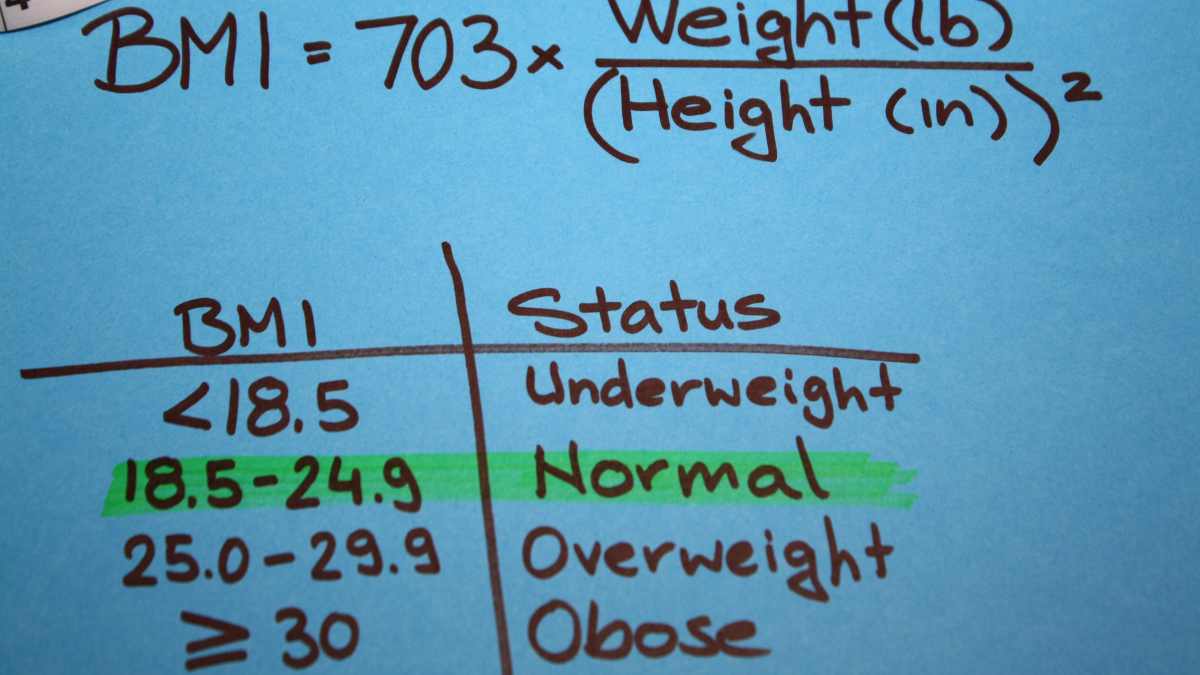
To establish effective weight loss goals, individuals should start by determining their current weight, height, and body composition. This information can be used to calculate a Body Mass Index (BMI), which provides a general guideline for healthy weight ranges. However, BMI does not account for muscle mass or distribution, so it should be used in conjunction with other measurements.
Next, individuals should assess their daily caloric needs based on factors such as age, gender, activity level, and metabolic rate. Online calculators can provide estimates of daily caloric requirements, which can then be adjusted to create a caloric deficit for weight loss.
Setting SMART goals—Specific, Measurable, Achievable, Relevant, and Time-bound—can also enhance the effectiveness of weight loss plans. For instance, instead of stating, "I want to lose weight," a SMART goal would be, "I aim to lose 5 pounds in the next month by exercising three times a week and reducing my caloric intake by 500 calories per day."
Lastly, it is essential to remain flexible and adjust goals as needed. Life circumstances, plateaus, and changes in health can all necessitate a reevaluation of weight loss targets. Regularly assessing progress and making necessary adjustments can help maintain motivation and commitment to the weight loss journey.
Nutritional Strategies for Achieving Monthly Weight Loss
A well-balanced diet is fundamental for achieving weight loss goals. Individuals should focus on whole foods, including fruits, vegetables, lean proteins, whole grains, and healthy fats. These foods are typically lower in calories and higher in nutrients, making them ideal for weight loss.
Incorporating portion control is another effective strategy. Being mindful of portion sizes can help individuals avoid overeating, even when consuming healthier foods. Tools such as measuring cups, food scales, and visual portion guides can assist in maintaining appropriate serving sizes.
Meal planning can also play a crucial role in successful weight loss. By preparing meals in advance, individuals can make healthier choices and avoid the temptation of convenience foods that are often high in calories and low in nutrients. Planning meals around nutrient-dense foods can help maintain a caloric deficit while ensuring adequate nutrition.
Finally, staying hydrated is vital for weight loss. Drinking water before meals can promote satiety and reduce overall calorie intake. Additionally, sometimes the body confuses thirst for hunger, leading to unnecessary snacking. Ensuring adequate fluid intake can help mitigate this issue and support overall health.
Monitoring Progress: Tools for Tracking Weight Loss Success
Tracking progress is essential for maintaining motivation and accountability during a weight loss journey. Various tools and methods can assist individuals in monitoring their weight loss effectively. One popular option is using mobile apps designed for tracking food intake, exercise, and weight changes. These apps often provide insights into caloric intake and expenditure, making it easier to stay on track.
Additionally, maintaining a food diary can be beneficial. Writing down meals and snacks helps individuals become more aware of their eating habits and identify areas for improvement. This practice can also highlight emotional eating triggers and patterns that may need to be addressed.
Regularly weighing oneself can provide feedback on progress, but it is important to approach this practice with caution. Weight can fluctuate due to various factors, including water retention and muscle gain. Instead of solely relying on the scale, individuals should consider other measurements, such as body measurements or how clothing fits, to gauge progress more holistically.
Lastly, seeking support from a health professional or joining a weight loss group can enhance accountability and provide valuable guidance. Having a support system can make the weight loss journey more enjoyable and sustainable, increasing the likelihood of long-term success.
Conclusions:
Determining the ideal weight to lose in a month involves understanding personal factors, setting realistic goals, and implementing effective strategies. By focusing on healthy weight loss rates, individuals can achieve their goals sustainably while enhancing their overall well-being. Through proper nutrition, regular physical activity, and consistent monitoring, anyone can embark on a successful weight loss journey.
Read more
- Centers for Disease Control and Prevention (CDC) – Healthy Weight: A comprehensive resource on maintaining a healthy weight, including guidelines and tips for weight loss.
- Mayo Clinic – Weight Loss: How to Lose Weight and Keep It Off: An informative article detailing effective weight loss strategies and the importance of lifestyle changes.
- American Heart Association – Weight Loss: Guidance on healthy eating and exercise to support weight loss and heart health.
- Harvard Health Publishing – The Science of Weight Loss: An exploration of the physiological aspects of weight loss and practical advice for achieving goals.
- National Institutes of Health (NIH) – Aim for a Healthy Weight: A resource offering tools and tips for achieving and maintaining a healthy weight.