

Introduction:
Morbid obesity is a severe form of obesity that poses significant health risks and complications. Understanding the criteria that define morbid obesity, the associated health risks, and the available treatment options is crucial for individuals affected by this condition. This article aims to provide a comprehensive overview of morbid obesity, including its definitions, classifications, health implications, diagnostic tools, treatment options, and preventative strategies.
Understanding Morbid Obesity: Definitions and Criteria
Morbid obesity is generally defined as having a Body Mass Index (BMI) of 40 or higher, or a BMI of 35 or higher with obesity-related health conditions. This classification indicates a level of obesity that significantly increases the risk of serious health complications, including cardiovascular diseases, diabetes, and certain types of cancer. The term "morbid" underscores the severe impact on health and quality of life that this level of obesity can cause.
The criteria for diagnosing morbid obesity are not solely based on BMI. Medical professionals also consider factors such as waist circumference, body fat percentage, and the presence of comorbid conditions. For instance, a waist circumference greater than 40 inches in men and 35 inches in women can indicate a higher risk of obesity-related health issues. These criteria help in assessing the overall health status of individuals and tailoring appropriate interventions.
In clinical settings, morbid obesity is often assessed using a combination of physical examinations and medical history evaluations. This comprehensive approach allows healthcare providers to understand the full impact of obesity on an individual’s health and to devise effective treatment plans. Moreover, the psychological and social aspects of morbid obesity are also considered, as they can significantly influence treatment outcomes.
Understanding morbid obesity is essential for both individuals and healthcare providers. It highlights the need for targeted interventions and the importance of addressing the multifaceted nature of obesity. By recognizing the severity of this condition, individuals can take proactive steps toward improving their health and well-being.
The Role of Body Mass Index in Obesity Classification
Body Mass Index (BMI) is a widely used tool for classifying obesity and assessing body weight relative to height. It is calculated by dividing a person’s weight in kilograms by the square of their height in meters. While BMI provides a useful screening measure, it has limitations, particularly in distinguishing between fat mass and lean body mass. Therefore, it is essential to interpret BMI results in conjunction with other health assessments.
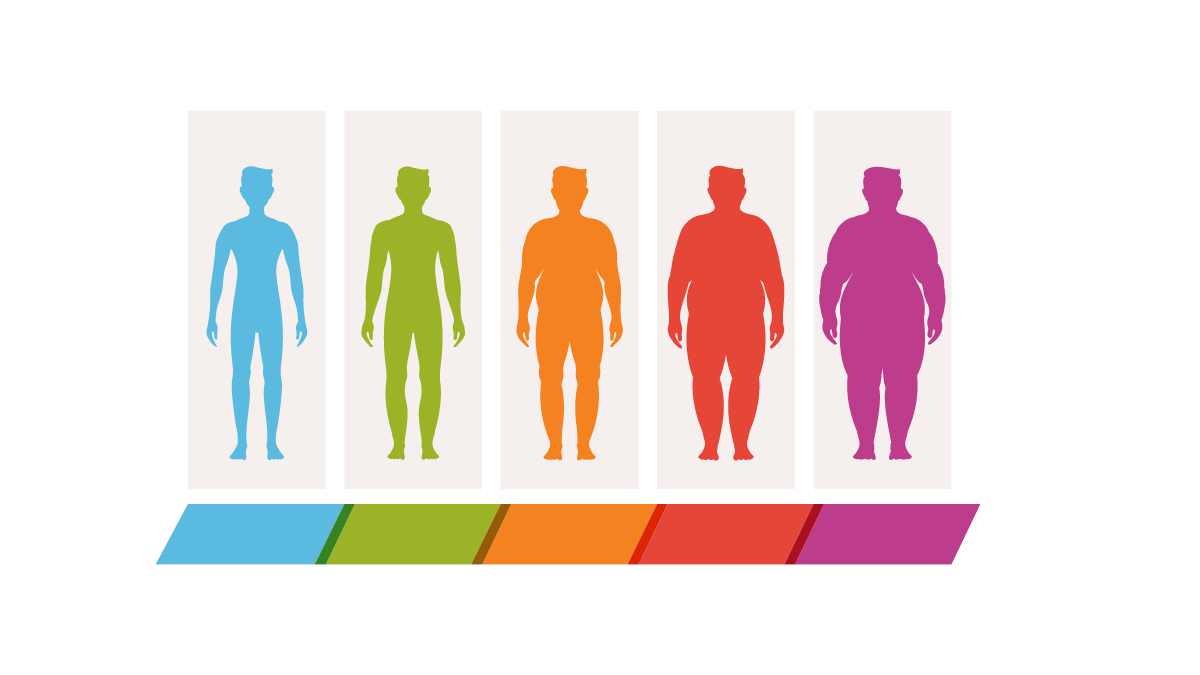
The BMI classification system categorizes individuals into several ranges: underweight (BMI < 18.5), normal weight (BMI 18.5–24.9), overweight (BMI 25–29.9), obesity (BMI 30–39.9), and morbid obesity (BMI ≥ 40). This classification helps identify individuals at risk for obesity-related health complications. However, it is crucial to note that BMI does not account for factors such as age, sex, muscle mass, and distribution of body fat, which can influence health outcomes.
Despite its limitations, BMI remains a valuable tool in public health and clinical practice. It provides a standardized method for assessing weight status across populations and helps guide healthcare providers in identifying individuals who may benefit from further evaluation and intervention. Additionally, BMI is often used in large-scale epidemiological studies to examine the relationship between obesity and various health outcomes.
In summary, while BMI is a critical component in the classification of obesity, it should not be the sole determinant of an individual's health status. A comprehensive assessment that includes additional diagnostic tools and clinical evaluations is essential for accurately identifying morbid obesity and its associated risks.
Health Risks Associated with Morbid Obesity Explained
Morbid obesity is linked to a myriad of health risks that can significantly impact an individual's quality of life and longevity. One of the most concerning risks is the development of cardiovascular diseases, including hypertension, heart attack, and stroke. Excess body weight places additional strain on the heart and blood vessels, leading to increased blood pressure and cholesterol levels.
Another significant health risk associated with morbid obesity is type 2 diabetes. The accumulation of fat, particularly visceral fat, can lead to insulin resistance, a condition where the body's cells do not respond effectively to insulin. This resistance can result in elevated blood sugar levels and, ultimately, the development of diabetes. Individuals with morbid obesity are also at a higher risk for complications related to diabetes, such as neuropathy, retinopathy, and kidney disease.
Additionally, morbid obesity increases the risk of certain cancers, including breast, colon, and endometrial cancers. The mechanisms behind this association are complex and may involve hormonal changes, inflammation, and insulin resistance. Furthermore, obesity can exacerbate existing health conditions, such as sleep apnea, osteoarthritis, and gastroesophageal reflux disease (GERD), leading to a cycle of declining health.
The psychological impact of morbid obesity should not be overlooked. Individuals may experience depression, anxiety, and social stigma, which can further complicate their health and hinder their ability to seek help. Understanding the extensive health risks associated with morbid obesity is crucial for developing effective treatment and prevention strategies.
Diagnostic Tools for Assessing Morbid Obesity Levels
In addition to BMI, several diagnostic tools are used to assess morbid obesity and its associated health risks. Waist circumference measurement is one such tool that provides insight into abdominal fat distribution, which is a critical factor in assessing obesity-related health risks. A higher waist circumference is associated with greater visceral fat accumulation, increasing the likelihood of metabolic syndrome and cardiovascular diseases.
Body composition analysis is another valuable diagnostic tool. Techniques such as dual-energy X-ray absorptiometry (DEXA), bioelectrical impedance analysis (BIA), and hydrostatic weighing can provide a more accurate assessment of body fat percentage and distribution. These methods help healthcare providers understand an individual's body composition better and tailor interventions accordingly.
Laboratory tests are also essential in evaluating the health status of individuals with morbid obesity. Blood tests can assess glucose levels, lipid profiles, liver function, and inflammatory markers, providing a comprehensive view of an individual's metabolic health. These tests can help identify comorbid conditions and guide treatment decisions.
Finally, psychological assessments may be conducted to evaluate the mental health of individuals with morbid obesity. Understanding the psychological factors contributing to obesity can help healthcare providers develop holistic treatment plans that address both physical and mental health needs. By utilizing a combination of diagnostic tools, healthcare providers can gain a comprehensive understanding of morbid obesity and its implications for individual health.
Treatment Options for Individuals with Morbid Obesity
The treatment of morbid obesity typically involves a multidisciplinary approach that includes lifestyle modifications, medical interventions, and, in some cases, surgical options. Lifestyle changes, such as adopting a balanced diet and increasing physical activity, are fundamental components of any weight management program. These changes can lead to significant weight loss and improvements in overall health.
Pharmacotherapy may be considered for individuals who have not achieved sufficient weight loss through lifestyle modifications alone. Several medications are approved for weight management, and they work by suppressing appetite, reducing fat absorption, or increasing feelings of fullness. However, these medications should be used in conjunction with lifestyle changes and under the supervision of a healthcare provider.
Bariatric surgery is often recommended for individuals with morbid obesity who have not achieved sustainable weight loss through other means. Surgical options, such as gastric bypass, sleeve gastrectomy, and adjustable gastric banding, can lead to significant and sustained weight loss. These procedures work by restricting food intake or altering the digestive process, resulting in reduced calorie absorption.
It is essential for individuals considering surgical options to undergo a thorough evaluation and counseling process. This includes understanding the potential risks and benefits of surgery, as well as the necessary lifestyle changes that will follow. Post-surgical support, including nutritional counseling and psychological support, is crucial for long-term success in managing morbid obesity.
Preventative Strategies to Combat Morbid Obesity Trends
Preventing morbid obesity requires a multifaceted approach that addresses the underlying factors contributing to its rise. Public health initiatives aimed at promoting healthy eating and physical activity are essential in creating environments that support healthy lifestyles. Schools, workplaces, and communities can play a significant role in encouraging healthy habits and providing access to nutritious foods and safe spaces for physical activity.
Education and awareness campaigns are vital in informing individuals about the risks associated with obesity and the importance of maintaining a healthy weight. These campaigns can empower individuals to make informed choices regarding their diet and exercise routines. Additionally, fostering a supportive community can help individuals feel motivated and accountable for their health.
Policy changes can also significantly impact obesity prevention efforts. Implementing regulations on food marketing, especially to children, and promoting healthier food options in schools and public institutions can create a healthier food environment. Additionally, policies that support physical activity, such as building parks and walking trails, can encourage individuals to engage in regular exercise.
Finally, addressing social determinants of health is crucial in preventing morbid obesity. Factors such as socioeconomic status, access to healthcare, and education can influence an individual's ability to maintain a healthy weight. By targeting these determinants, we can create a more equitable approach to obesity prevention and improve overall public health outcomes.
Conclusions:
Morbid obesity is a complex condition that poses significant health risks and challenges. Understanding its definitions, classifications, health implications, diagnostic tools, treatment options, and preventative strategies is essential for individuals and healthcare providers alike. By addressing the multifaceted nature of morbid obesity, we can work towards improving health outcomes and enhancing the quality of life for those affected.
Read more
-
Centers for Disease Control and Prevention (CDC) – Adult Obesity Facts
This resource provides comprehensive statistics and information about adult obesity in the United States, including prevalence and health consequences. -
World Health Organization (WHO) – Obesity and Overweight
The WHO offers a global perspective on obesity and overweight, including definitions, health risks, and recommendations for prevention. -
National Institutes of Health (NIH) – Obesity
This site provides detailed information on obesity research, treatment options, and resources for individuals seeking to manage their weight. -
American Society for Metabolic and Bariatric Surgery (ASMBS) – Bariatric Surgery
ASMBS is a leading organization that provides information on bariatric surgery, including types of procedures, eligibility criteria, and patient resources. -
Mayo Clinic – Obesity
The Mayo Clinic offers a thorough overview of obesity, including causes, symptoms, diagnosis, and treatment options, along with expert advice on managing weight.