

Se hai un abbonamento attivo ACCEDI QUI
Introduction:
Body Mass Index (BMI) is a widely used metric that provides a numerical value derived from an individual’s weight and height. It serves as a simple index to categorize individuals into various weight categories, such as underweight, normal weight, overweight, and obese. While BMI is often employed in health assessments, it has also become a point of discussion in the realm of attractiveness, particularly concerning women. This article aims to explore the most attractive BMI for women by examining the technical aspects of BMI, cultural influences, scientific studies, and the health implications associated with different BMI levels.
Understanding Body Mass Index: A Technical Overview
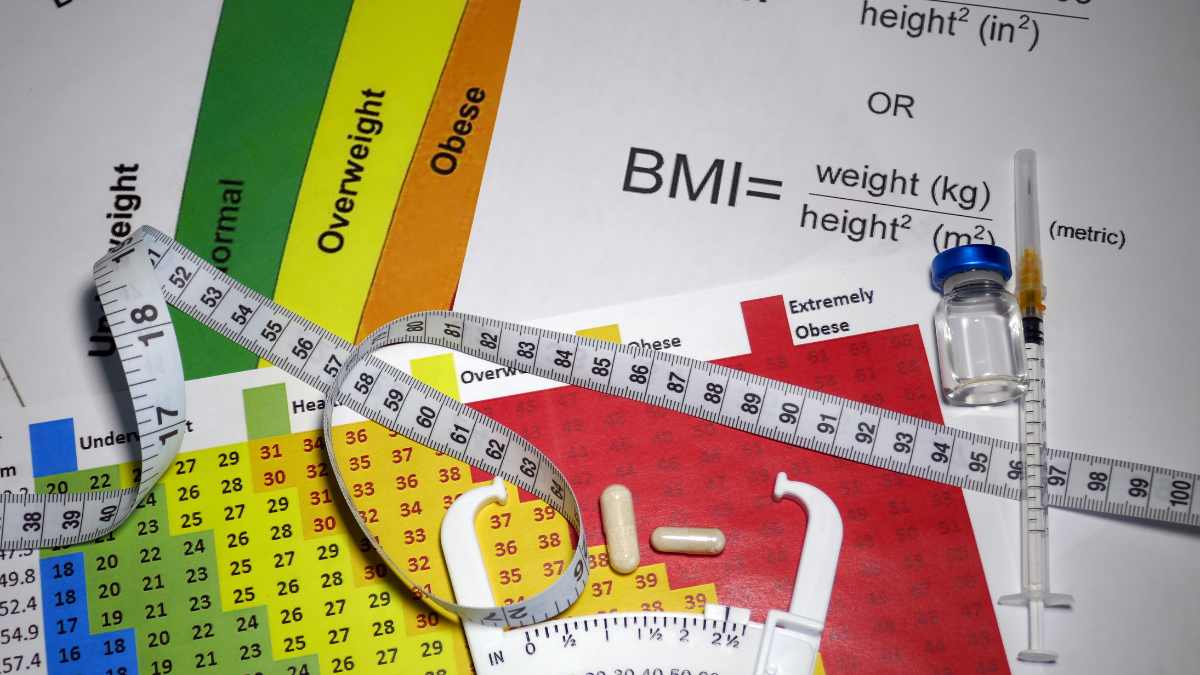
BMI is calculated by dividing a person’s weight in kilograms by the square of their height in meters. The formula is as follows:
[ text{BMI} = frac{text{weight (kg)}}{text{height (m)}^2} ]
This calculation results in a numerical value that can be interpreted using standardized categories. According to the World Health Organization (WHO), a BMI below 18.5 is considered underweight, 18.5 to 24.9 is normal weight, 25 to 29.9 is overweight, and 30 or above is classified as obese. While BMI is a useful screening tool, it does not directly measure body fat or account for variations in muscle mass, bone density, and fat distribution.
The simplicity of the BMI calculation makes it an appealing choice for health professionals and researchers alike. However, it is essential to recognize its limitations. For instance, athletes may have a high BMI due to increased muscle mass, which does not necessarily correlate with excess body fat. Moreover, BMI does not consider factors such as age, sex, and ethnicity, which can influence body composition and health risks. Understanding these nuances is crucial when discussing BMI in the context of attractiveness.
Despite its limitations, BMI remains a prevalent metric in public health discussions. The ease of calculating and interpreting BMI has led to its widespread adoption in various fields, including nutrition, fitness, and even psychology. As societal standards of beauty evolve, the relevance of BMI in discussions about attractiveness continues to spark debate.
In summary, while BMI serves as a useful tool for categorizing weight and assessing health risks, it is essential to approach its interpretation with caution. Recognizing its limitations and understanding the broader context of body image can lead to a more nuanced discussion about the relationship between BMI and attractiveness.
The Relationship Between BMI and Attractiveness Perception
Attractiveness is a subjective concept influenced by various factors, including cultural norms, personal preferences, and societal standards. Research indicates that BMI plays a significant role in the perception of attractiveness, particularly among women. Studies have shown that individuals often associate lower BMI values with youthfulness, health, and beauty. This perception can lead to a societal preference for women with a BMI in the "normal" range, typically between 18.5 and 24.9.
However, the relationship between BMI and attractiveness is not universally applicable. Different cultures and communities may have varying ideals regarding body shape and size. For instance, some cultures may celebrate curvier body types, while others may favor slimmer physiques. This variability highlights the complexity of attractiveness and suggests that BMI alone cannot determine an individual’s desirability.
Moreover, societal trends and media representations significantly impact perceptions of attractiveness. The rise of social media and influencer culture has further complicated the discussion, as individuals are often exposed to curated images that promote specific body ideals. This phenomenon can create unrealistic expectations and contribute to body dissatisfaction among women, regardless of their actual BMI.
Ultimately, while BMI may influence perceptions of attractiveness, it is essential to recognize that beauty is multifaceted. Factors such as personality, confidence, and overall health play crucial roles in how individuals perceive themselves and others. Therefore, a singular focus on BMI as a determinant of attractiveness may overlook the broader context of beauty.
Analyzing Cultural Influences on Ideal BMI Standards
Cultural influences significantly shape the ideals surrounding body image and attractiveness. In Western societies, the media often promotes thinness as the standard of beauty, leading to a preference for lower BMI values. This cultural narrative can create pressure for women to conform to these ideals, potentially resulting in unhealthy behaviors such as dieting and excessive exercise.
In contrast, other cultures may embrace different body types. For example, some African and Latin American cultures celebrate fuller figures as symbols of health, fertility, and prosperity. These cultural differences underscore the importance of context when discussing BMI and attractiveness. What is considered attractive in one culture may be viewed differently in another, highlighting the fluidity of beauty standards.
Furthermore, globalization has led to the spread of Western beauty ideals across the globe, influencing perceptions of attractiveness in diverse cultures. This phenomenon can create tension between traditional values and modern influences, leading to a complex interplay of body image perceptions. Women in various cultures may feel torn between embracing their natural body types and conforming to external pressures to achieve a specific BMI.
Understanding these cultural influences is essential for fostering a more inclusive definition of beauty. Encouraging diversity in body representation can help challenge narrow beauty standards and promote a healthier relationship with body image. By recognizing the cultural context of BMI and attractiveness, we can move toward a more holistic understanding of beauty that celebrates individuality.
Scientific Studies: BMI Ranges and Female Attractiveness
Numerous scientific studies have explored the relationship between BMI and female attractiveness, often revealing intriguing findings. Research indicates that men tend to prefer women with a BMI that falls within the "normal" range, typically between 18.5 and 24.9. This preference aligns with societal norms that associate lower BMI values with health and beauty. However, preferences can vary based on individual tastes and cultural backgrounds.
A study published in the journal "Evolution and Human Behavior" found that men generally rated women with a BMI of around 20.5 as most attractive. This finding suggests that a specific BMI range may be perceived as ideal in certain contexts. However, it is crucial to note that preferences can be influenced by various factors, including personality traits, social status, and cultural background.
Moreover, some studies have indicated that women may prefer slightly higher BMI values for themselves, reflecting a desire for a healthy and curvy appearance. This phenomenon highlights the complexity of body image and the subjective nature of attractiveness. Women may feel pressure to conform to societal ideals while simultaneously desiring a body that reflects their individuality and personal preferences.
In conclusion, while scientific studies provide valuable insights into the relationship between BMI and female attractiveness, it is essential to approach these findings with caution. Individual preferences and cultural influences play a significant role in shaping perceptions of beauty. Acknowledging this complexity can lead to a more nuanced understanding of the ideal BMI for women.
Health Implications of Various BMI Levels in Women
While discussions surrounding BMI often focus on attractiveness, it is crucial to consider the health implications associated with different BMI levels. Women with a BMI in the normal range (18.5 to 24.9) are generally considered to have a lower risk of developing health issues such as cardiovascular disease, diabetes, and certain cancers. Maintaining a healthy weight is essential for overall well-being and longevity.
On the other hand, women with a BMI below 18.5 may face health risks associated with underweight status, including nutritional deficiencies, weakened immune function, and reproductive issues. It is essential to recognize that being underweight can be as detrimental to health as being overweight. Therefore, promoting a balanced approach to weight management is vital for women’s health.
Conversely, women with a BMI above 25 may experience increased health risks associated with overweight and obesity. These risks include metabolic syndrome, hypertension, and joint problems. Addressing these health concerns requires a comprehensive approach that includes lifestyle modifications, such as adopting a balanced diet and engaging in regular physical activity.
In summary, while BMI can serve as a useful indicator of health, it is essential to consider the broader context of individual health and well-being. Focusing solely on BMI as a measure of attractiveness may overlook the importance of maintaining a healthy lifestyle. Encouraging women to prioritize their health over societal ideals can lead to more positive body image and overall well-being.
Conclusions:
In conclusion, the most attractive BMI for women is a complex and multifaceted topic influenced by various factors, including cultural norms, personal preferences, and health considerations. While BMI can provide insights into perceptions of attractiveness, it is essential to approach its interpretation with caution. Recognizing the limitations of BMI and the broader context of body image can foster a more inclusive understanding of beauty.
Ultimately, the focus should shift toward promoting health and well-being rather than adhering to narrow beauty standards. Encouraging women to embrace their individuality and prioritize their health can lead to a more positive relationship with their bodies. By balancing attractiveness and health, we can create a more supportive environment that celebrates diversity in body shapes and sizes.
Read more
-
World Health Organization (WHO) – BMI Classification
This page provides an overview of BMI classifications and their implications for health. -
National Institute of Health (NIH) – Understanding BMI
The NIH offers a detailed explanation of BMI, its calculation, and its relevance to health. -
American Psychological Association – Body Image
This resource discusses the psychological aspects of body image and societal influences on attractiveness. -
Evolution and Human Behavior – Study on BMI and Attractiveness
This academic article explores the relationship between BMI and perceptions of female attractiveness. -
Harvard Health Publishing – The Health Risks of Being Underweight
This article outlines the health implications associated with being underweight and the importance of maintaining a balanced weight.