

Se hai un abbonamento attivo ACCEDI QUI
Introduction:
The concept of Body Mass Index (BMI) has gained significant traction in health and fitness discussions, particularly when assessing ideal body weight. For women, understanding the nuances of BMI is crucial, as it can influence health outcomes and overall well-being. This article aims to explore what constitutes the perfect BMI for females, examining the ideal range, factors that influence BMI, health implications of deviations, methods for calculation, and recommendations for maintaining an optimal BMI.
Understanding Body Mass Index (BMI) and Its Importance
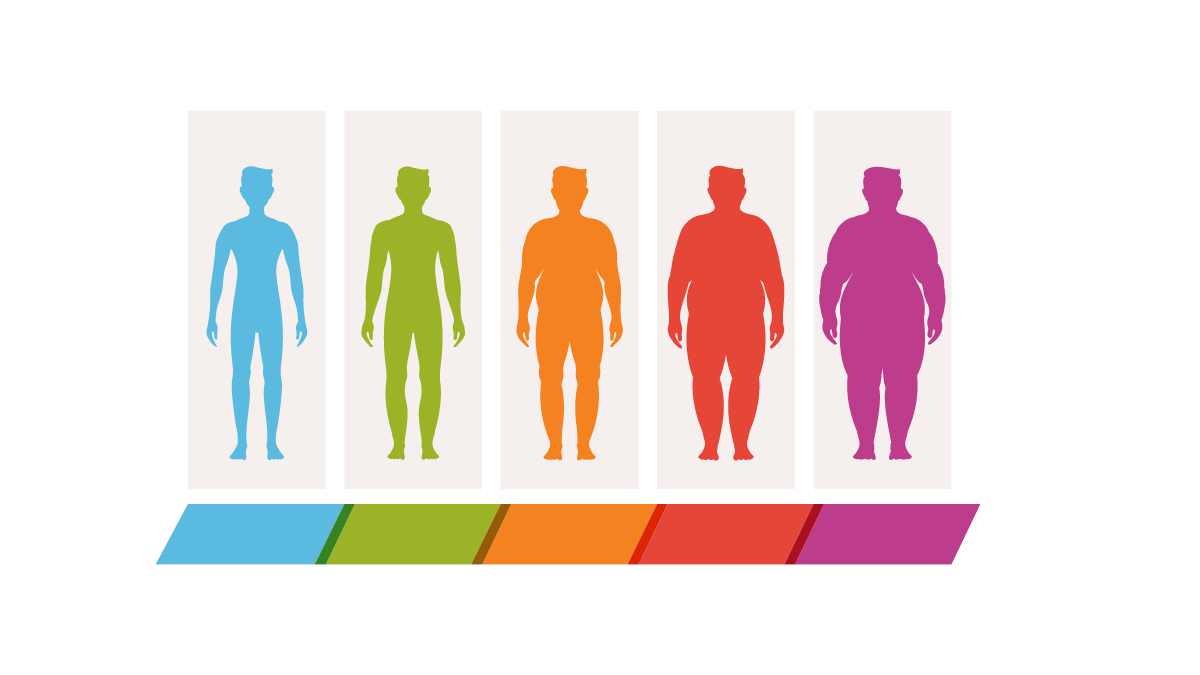
Body Mass Index is a numerical value derived from an individual’s weight and height, calculated by dividing weight in kilograms by the square of height in meters. This simple formula provides a useful screening tool to categorize individuals into various weight categories: underweight, normal weight, overweight, and obese. While BMI is not a definitive measure of body fat, it serves as a general guideline for assessing weight-related health risks.
The importance of BMI lies in its ability to offer a quick assessment of potential health issues associated with body weight. Research has shown that individuals with a higher BMI are at an increased risk for conditions such as heart disease, diabetes, and certain cancers. Conversely, a lower BMI can indicate malnutrition or other health problems. Thus, understanding BMI is essential for both individuals and healthcare professionals in promoting health and preventing disease.
However, it is crucial to recognize the limitations of BMI. It does not account for factors such as muscle mass, bone density, and distribution of fat. For instance, an athlete may have a high BMI due to increased muscle mass but still be in excellent health. Therefore, while BMI is a valuable tool, it should be used in conjunction with other assessments for a comprehensive understanding of an individual’s health.
In summary, BMI serves as a foundational metric in health assessments, providing insights into weight-related health risks. Understanding its calculation and implications is vital for women aiming to maintain a healthy lifestyle and prevent potential health issues associated with weight.
The Ideal BMI Range for Women: A Comprehensive Overview
The ideal BMI range for women is typically classified as 18.5 to 24.9. This range is considered to be associated with the lowest health risks. Women within this category are generally viewed as having a healthy weight, which can contribute to overall physical and mental well-being. Maintaining a BMI within this range can help reduce the risk of chronic diseases and promote longevity.
For women, a BMI below 18.5 is categorized as underweight, which can lead to various health issues such as osteoporosis, fertility problems, and weakened immune function. It is essential for women in this category to seek guidance from healthcare professionals to address potential underlying health concerns and develop a plan for healthy weight gain.
Conversely, a BMI between 25 and 29.9 is classified as overweight, while a BMI of 30 or above is considered obese. Both categories are associated with increased health risks, including cardiovascular diseases, type 2 diabetes, and certain cancers. Women in these categories are often encouraged to adopt lifestyle changes, including improved diet and increased physical activity, to achieve a healthier weight.
Ultimately, while the ideal BMI range provides a useful guideline, it is essential to consider individual differences. Factors such as age, genetics, and muscle mass can influence what constitutes a healthy weight for each woman. Therefore, a personalized approach to health and wellness is recommended.
Factors Influencing the Perfect BMI for Female Individuals
Several factors influence what may be considered the perfect BMI for women. One of the most significant factors is age. As women age, their metabolism tends to slow down, and hormonal changes can lead to shifts in body composition. This means that a BMI that was once considered ideal may no longer be appropriate as a woman ages, necessitating adjustments in diet and exercise.
Genetics also play a crucial role in determining body weight and composition. Some women may naturally have a higher or lower BMI due to hereditary factors. Understanding one’s genetic predisposition can help in setting realistic weight management goals. It is important for women to recognize that their body type and genetic background can influence their ideal BMI.
Lifestyle choices, including diet and physical activity levels, are critical in determining BMI. Women who engage in regular physical activity and maintain a balanced diet are more likely to achieve and sustain a healthy BMI. Conversely, sedentary lifestyles and poor dietary choices can lead to weight gain and an increased BMI. Therefore, promoting healthy habits is essential for achieving optimal BMI.
Lastly, psychological factors such as stress and mental health can significantly impact weight. Emotional eating, for instance, can lead to weight gain, while stress can affect metabolism and appetite. Women should be aware of the psychological aspects of weight management and seek support when needed to maintain a healthy BMI.
Health Implications of Deviating from Ideal BMI Values
Deviating from the ideal BMI range can have significant health implications for women. A BMI classified as underweight can lead to a host of health problems, including nutrient deficiencies, weakened immune function, and reproductive issues. Women who are underweight may also experience irregular menstrual cycles, which can affect fertility and overall hormonal balance.
On the other hand, being overweight or obese is associated with a higher risk of chronic diseases. Women in these categories are more likely to develop conditions such as hypertension, type 2 diabetes, and cardiovascular diseases. Additionally, obesity can lead to joint problems and sleep apnea, further complicating health outcomes. The psychological impact of being overweight can also lead to issues such as depression and low self-esteem.
Moreover, the health risks associated with deviating from the ideal BMI are not limited to physical health. Mental health can also be adversely affected. Women who struggle with weight issues may experience anxiety and depression, leading to a cycle of unhealthy behaviors that can further exacerbate weight problems. This highlights the importance of a holistic approach to health that considers both physical and mental well-being.
In conclusion, maintaining an ideal BMI is crucial for overall health. Women should be mindful of the potential health implications of being underweight, overweight, or obese, and take proactive steps to achieve and maintain a healthy weight. Regular check-ups with healthcare providers can aid in monitoring weight and addressing any concerns.
Methods for Accurately Calculating Your BMI
Calculating BMI is a straightforward process, but accuracy is key to obtaining reliable results. The most common method involves using the formula: BMI = weight (kg) / height (m²). To ensure accuracy, it is essential to measure weight and height correctly. Weighing oneself on a calibrated scale and measuring height against a wall can provide precise data for calculation.
Alternatively, many online calculators are available that simplify the process. These calculators typically require users to input their weight and height, automatically calculating the BMI. While convenient, it is essential to use reputable sources to ensure the accuracy of the results.
For those who prefer a more comprehensive assessment, healthcare professionals can provide BMI calculations as part of routine health evaluations. This approach allows for additional context, such as body composition analysis, which can offer a more nuanced understanding of health beyond BMI alone.
Lastly, it is important to remember that BMI is just one metric in assessing health. Individuals should consider other factors, such as waist circumference and body fat percentage, to gain a more complete picture of their health status. Consulting with healthcare providers can help individuals interpret their BMI and understand its implications for their overall health.
Recommendations for Achieving and Maintaining Optimal BMI
Achieving and maintaining an optimal BMI involves a multifaceted approach that includes dietary changes, physical activity, and lifestyle modifications. A balanced diet rich in whole foods, including fruits, vegetables, lean proteins, and whole grains, is essential for promoting a healthy weight. Women should aim to limit processed foods, added sugars, and unhealthy fats, which can contribute to weight gain.
Regular physical activity is equally important in managing BMI. The World Health Organization recommends at least 150 minutes of moderate-intensity aerobic activity per week, combined with strength training exercises on two or more days. Engaging in activities that are enjoyable can help women stay motivated and committed to their fitness routines.
Additionally, maintaining a healthy lifestyle involves managing stress and ensuring adequate sleep. Chronic stress can lead to unhealthy eating habits and weight gain, while insufficient sleep can disrupt metabolism and increase appetite. Women should prioritize self-care practices, such as mindfulness, yoga, and adequate rest, to support their overall well-being.
Lastly, setting realistic goals and tracking progress can aid in achieving and maintaining an optimal BMI. Women should focus on gradual changes rather than drastic weight loss, which is often unsustainable. Seeking support from healthcare professionals, nutritionists, or support groups can provide valuable guidance and encouragement throughout the journey.
Conclusions:
In conclusion, understanding the concept of BMI is essential for women aiming to maintain a healthy weight and overall well-being. While the ideal BMI range provides a useful guideline, it is important to consider individual factors such as age, genetics, and lifestyle. Deviating from the ideal BMI can have significant health implications, underscoring the importance of achieving and maintaining an optimal weight. By adopting healthy dietary habits, engaging in regular physical activity, and managing stress, women can work towards achieving their ideal BMI and enhancing their quality of life.
Read more
-
World Health Organization (WHO) – Body Mass Index
This resource provides comprehensive information on obesity, overweight, and the significance of BMI in public health. -
Centers for Disease Control and Prevention (CDC) – About Adult BMI
The CDC offers a detailed explanation of BMI, including how to calculate it and its implications for health. -
Mayo Clinic – BMI Calculator
This tool allows users to calculate their BMI and provides insights into what the results mean for health. -
Harvard Health Publishing – The Truth About BMI
This article discusses the limitations of BMI and offers a more nuanced understanding of body weight and health. -
National Heart, Lung, and Blood Institute – Healthy Weight
This resource provides guidance on achieving and maintaining a healthy weight, including tips on diet and exercise.