

Introduction:
Determining an appropriate weight for a man who stands at 5’10" involves understanding various health metrics and personal factors. While societal standards often dictate what is considered "ideal," it is essential to consider individual circumstances, including genetics, age, and lifestyle choices. This article will delve into the nuances of ideal body weight, the significance of Body Mass Index (BMI), and the importance of body composition, while also providing recommendations for achieving and maintaining a healthy weight.
Understanding Ideal Body Weight for a 5’10" Male
The concept of ideal body weight is often subjective and can vary significantly based on various factors. For a man who is 5’10", the commonly accepted weight range is typically between 160 to 200 pounds. However, this range is not absolute and can fluctuate based on muscle mass, bone density, and overall health. It is crucial to recognize that these figures are general guidelines and should not be viewed as strict rules.
In addition to weight, body composition plays a vital role in determining health. A man at this height may weigh 180 pounds but have a significantly different body fat percentage than another man of the same height weighing the same amount. Therefore, while weight is an important metric, it should not be the sole indicator of health or fitness.
Moreover, the distribution of weight across the body is equally important. Two men of the same height and weight can have vastly different health outcomes based on where they carry their weight. For instance, abdominal fat is often linked to higher health risks compared to fat distributed in other areas of the body.
Ultimately, understanding ideal body weight requires a holistic approach that considers not just the number on the scale, but also the individual’s overall health, lifestyle, and fitness goals.
Factors Influencing Weight: Genetics, Age, and Lifestyle
Genetics plays a pivotal role in determining an individual’s weight and body composition. Some people may naturally have a higher metabolism or a predisposition to gain muscle more easily, while others may struggle with weight management despite their best efforts. Understanding one’s genetic background can help in setting realistic weight goals and expectations.
Age is another significant factor that influences weight. As men age, their metabolism tends to slow down, and they may lose muscle mass, which can lead to weight gain if dietary habits remain unchanged. Additionally, hormonal changes can affect how the body stores fat and builds muscle, making it essential for older adults to adapt their fitness and nutrition strategies accordingly.
Lifestyle choices, including diet and physical activity levels, are critical in managing weight. A balanced diet rich in nutrients and regular exercise can help maintain a healthy weight. Conversely, a sedentary lifestyle and poor dietary choices can lead to excess weight gain over time.
Furthermore, stress and sleep patterns can also impact weight. Chronic stress can lead to emotional eating, while inadequate sleep can disrupt hormonal balance, both of which can contribute to weight gain. Recognizing these factors is essential for a comprehensive approach to weight management.
Body Mass Index (BMI) and Its Relevance for Height
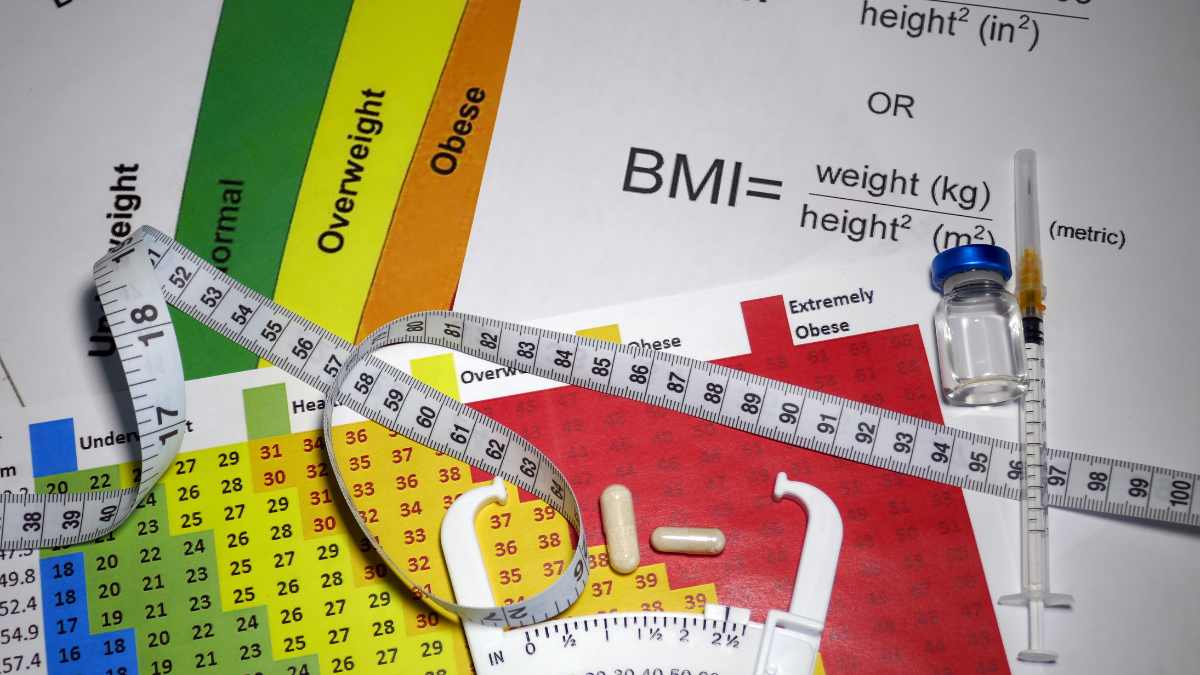
Body Mass Index (BMI) is a widely used tool for assessing whether an individual has a healthy weight for their height. For a 5’10" man, a BMI between 18.5 and 24.9 is typically considered healthy. This range corresponds to a weight of approximately 140 to 174 pounds. However, while BMI is a useful screening tool, it has its limitations.
One of the main criticisms of BMI is that it does not differentiate between muscle and fat. A muscular individual may have a high BMI but low body fat percentage, leading to potential misclassification as overweight or obese. Therefore, while BMI can provide a general idea of weight status, it should not be the only measure used to assess health.
Additionally, BMI does not account for factors such as age, sex, and ethnicity, which can influence body composition and health risks. For instance, older adults may have a higher body fat percentage at the same BMI compared to younger individuals, highlighting the need for a more nuanced approach to weight assessment.
In summary, while BMI can offer a quick reference point for assessing weight relative to height, it is essential to consider other factors, including body composition and individual health conditions, for a more accurate picture of overall health.
Calculating Healthy Weight Ranges for 5’10" Men
To calculate a healthy weight range for a 5’10" man, one can use the BMI formula: weight in kilograms divided by height in meters squared. Based on the BMI guidelines, a healthy weight range for this height can be calculated as follows:
- A BMI of 18.5 corresponds to a weight of approximately 140 pounds.
- A BMI of 24.9 corresponds to a weight of approximately 174 pounds.
This calculation indicates that a weight range of 140 to 174 pounds is generally considered healthy for a man who is 5’10". However, as previously mentioned, this range may not be suitable for everyone, particularly those with higher muscle mass.
It is also important to recognize that weight is not static; it can fluctuate due to various factors such as hydration levels, muscle gain, or fat loss. Therefore, rather than fixating on a specific number, individuals should aim for a healthy weight range that feels sustainable and supports their overall well-being.
Additionally, consulting with healthcare professionals can provide personalized insights into ideal weight ranges based on individual health assessments, lifestyle factors, and fitness goals. This tailored approach can lead to more effective weight management strategies.
Assessing Body Composition Beyond Just Weight
While weight is an important metric, assessing body composition provides a more comprehensive view of health. Body composition refers to the proportion of fat, muscle, bone, and other tissues in the body. Understanding body composition can help individuals identify whether they are carrying excess fat or have a healthy amount of muscle mass.
One common method for assessing body composition is through body fat percentage measurements. This can be done using various techniques, including skinfold calipers, bioelectrical impedance analysis, and dual-energy X-ray absorptiometry (DEXA). These methods can provide valuable insights into an individual’s body fat distribution and overall health.
Additionally, waist circumference is another useful measurement. A waist circumference of more than 40 inches for men is associated with increased health risks, regardless of overall weight. Monitoring waist size can help individuals understand their risk for conditions such as heart disease and diabetes.
Ultimately, focusing on body composition rather than just weight can lead to healthier lifestyle choices. By prioritizing muscle gain and fat loss, individuals can improve their overall health and well-being, regardless of the number on the scale.
Recommendations for Achieving and Maintaining Ideal Weight
To achieve and maintain an ideal weight, individuals should adopt a holistic approach that encompasses diet, exercise, and lifestyle modifications. A balanced diet rich in fruits, vegetables, lean proteins, and whole grains can provide the necessary nutrients for optimal health. It is also crucial to be mindful of portion sizes and limit the intake of processed foods high in sugar and unhealthy fats.
Regular physical activity is equally important for weight management. Engaging in a combination of aerobic exercises, strength training, and flexibility workouts can help build muscle, burn calories, and improve overall fitness. Aim for at least 150 minutes of moderate-intensity exercise per week, along with strength training exercises on two or more days.
In addition to diet and exercise, setting realistic and achievable goals is essential for long-term success. Gradual weight loss of 1 to 2 pounds per week is considered safe and sustainable. Tracking progress through journaling or fitness apps can help individuals stay motivated and accountable.
Lastly, seeking support from healthcare professionals, nutritionists, or fitness trainers can provide valuable guidance and resources. They can help create personalized plans tailored to individual needs, ensuring a more effective approach to achieving and maintaining a healthy weight.
Conclusions:
Determining the ideal weight for a 5’10" man involves a multifaceted approach that considers various factors, including genetics, age, lifestyle, and body composition. While BMI and weight can provide useful guidelines, they should not be the sole indicators of health. By focusing on overall well-being, individuals can set realistic goals and adopt sustainable practices that promote a healthy lifestyle.
Read more:
- CDC – About Adult BMI – A resource from the Centers for Disease Control and Prevention that explains BMI and its significance.
- Mayo Clinic – Ideal Body Weight – An overview of ideal body weight and factors influencing it.
- Harvard Health – Understanding Body Composition – Insights into body composition and its importance for health.
- American Heart Association – Healthy Weight – Guidelines for achieving and maintaining a healthy weight.
- National Institutes of Health – Body Weight and Health – Comprehensive information on body weight and its impact on health.