

Introduction:
Body Mass Index (BMI) is a widely used metric that helps assess an individual’s body weight relative to their height. For women, understanding what constitutes a healthy BMI is crucial, especially for those who are 5’3" tall. This article delves into the intricacies of BMI, its implications for health, and how women can maintain a healthy range.
Understanding BMI: A Key Indicator of Health Status
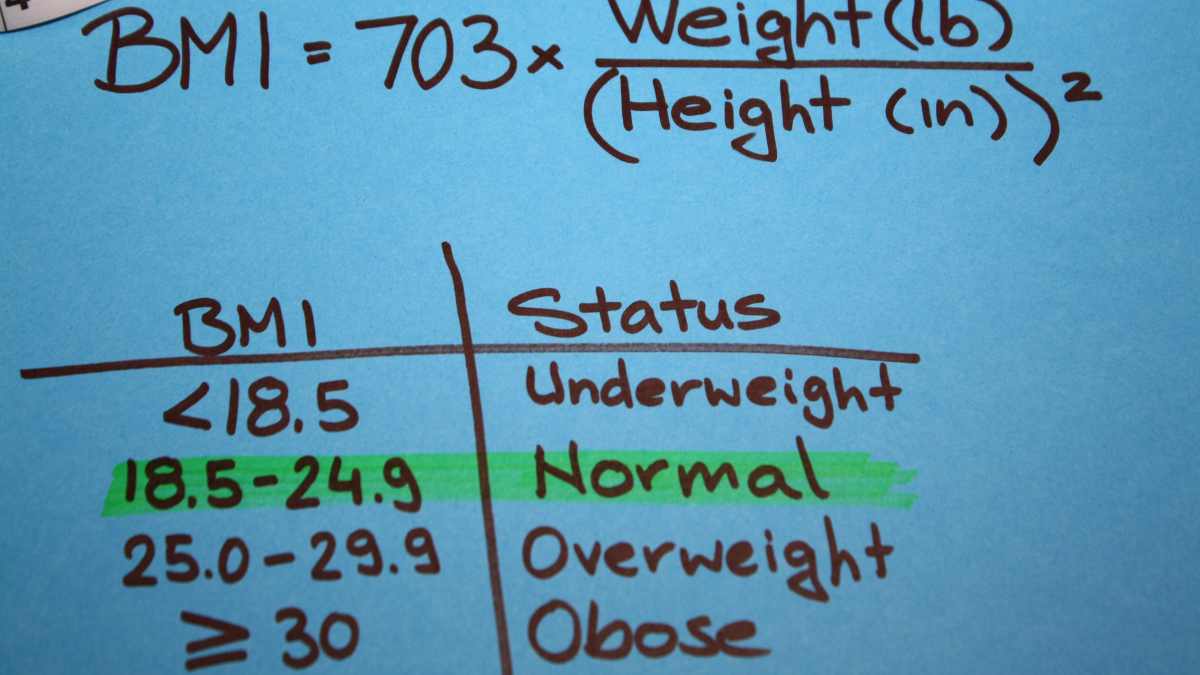
BMI serves as a critical tool for evaluating body weight in relation to height. It is calculated by dividing a person’s weight in kilograms by the square of their height in meters. This simple formula provides a numerical value that categorizes individuals into various weight classifications: underweight, normal weight, overweight, and obese. While BMI is a useful screening tool, it does not directly measure body fat or health status.
For women, particularly those at a height of 5’3", understanding BMI is essential for assessing health risks associated with being underweight or overweight. A normal BMI range is typically between 18.5 and 24.9. Women who fall outside this range may face various health issues, including metabolic disorders, cardiovascular diseases, and psychological effects related to body image.
Moreover, BMI can serve as a starting point for discussions about health and wellness. It can help identify individuals who may benefit from lifestyle changes or medical interventions. However, it is important to note that BMI should not be the sole determinant of health, as it does not account for factors such as muscle mass, bone density, and distribution of fat.
In conclusion, while BMI is a valuable indicator of health, it is essential to approach it with a comprehensive understanding of its limitations and the broader context of individual health.
Determining Ideal Weight Range for a 5’3" Woman
For a woman standing at 5’3", the ideal weight range can be calculated using the BMI categories. The normal weight range for this height is approximately between 110 and 145 pounds. This range is derived from the BMI formula, where a BMI of 18.5 corresponds to about 110 pounds, and a BMI of 24.9 corresponds to about 145 pounds.
It is crucial to recognize that these numbers are not absolute; they serve as general guidelines. Individual factors such as age, muscle mass, and overall health can influence what is considered an ideal weight. For instance, a woman with a higher muscle mass may weigh more than the average range yet still be healthy.
Additionally, societal and cultural factors can affect perceptions of ideal weight. Many women may feel pressured by media portrayals of beauty, leading to unrealistic expectations. Therefore, it is vital to focus on health and well-being rather than solely on numbers on a scale.
Ultimately, while the ideal weight range provides a baseline, each woman’s health journey is unique. Consulting with healthcare professionals can offer personalized insights and recommendations tailored to individual needs.
Calculating BMI: Formula and Interpretation Explained
To calculate BMI, the formula is straightforward: BMI = weight (kg) / height (m²). For a woman who is 5’3", which is approximately 1.6 meters, the calculation involves converting weight into kilograms if it is measured in pounds. For example, a weight of 130 pounds converts to approximately 59 kg.
Once the weight is converted, the BMI can be calculated. For instance, using the previous example, the calculation would be 59 kg / (1.6 m)², resulting in a BMI of about 23. This value falls within the normal weight category, indicating that this individual is at a healthy weight for her height.
Interpreting BMI results is crucial for understanding health status. A BMI below 18.5 is classified as underweight, which may indicate nutritional deficiencies or other health risks. A BMI between 18.5 and 24.9 is considered normal, while a BMI of 25 to 29.9 is categorized as overweight. A BMI of 30 or above is classified as obese, which can significantly increase the risk of chronic diseases.
However, it is essential to remember that BMI is just one aspect of health. Other factors, such as diet, physical activity, and genetic predispositions, also play a significant role in overall well-being.
Health Implications of BMI for Women at 5’3" Height
The health implications of BMI for a woman who is 5’3" are significant and multifaceted. A BMI within the normal range is associated with a lower risk of chronic diseases such as diabetes, hypertension, and heart disease. Conversely, being underweight can lead to nutritional deficiencies, weakened immune function, and increased susceptibility to illness.
For women with a BMI classified as overweight or obese, the health risks are even more pronounced. Excess weight can lead to metabolic syndrome, which encompasses a range of conditions including high blood pressure, elevated blood sugar, and abnormal cholesterol levels. These conditions can significantly increase the risk of heart disease and stroke.
Moreover, psychological factors should not be overlooked. Women who struggle with their weight may experience anxiety, depression, and low self-esteem, which can further exacerbate health issues. It is essential to foster a positive body image and promote mental well-being alongside physical health.
In conclusion, understanding the health implications of BMI for women at a height of 5’3" is vital for making informed lifestyle choices. Regular health check-ups and consultations with healthcare providers can help women navigate their unique health journeys.
Factors Influencing BMI Beyond Height and Weight
While height and weight are the primary components of BMI, several other factors can influence this metric. Genetics plays a crucial role in determining body composition, metabolism, and fat distribution. Some individuals may naturally have a higher or lower BMI due to their genetic makeup, regardless of lifestyle choices.
Additionally, lifestyle factors such as diet and physical activity significantly impact BMI. A balanced diet rich in nutrients, combined with regular exercise, can help maintain a healthy weight. Conversely, poor dietary choices and a sedentary lifestyle can lead to weight gain and an increased BMI.
Hormonal changes, particularly in women, can also affect BMI. Conditions such as polycystic ovary syndrome (PCOS) or menopause can lead to weight fluctuations and changes in body composition. Understanding these factors is essential for women to manage their health effectively.
Lastly, psychological factors, including stress and emotional well-being, can influence eating habits and physical activity levels. Stress can lead to emotional eating or a lack of motivation to exercise, which can subsequently affect BMI. Recognizing the interplay of these factors is crucial for achieving and maintaining a healthy weight.
Recommendations for Maintaining a Healthy BMI Range
To maintain a healthy BMI range, women should focus on adopting sustainable lifestyle changes. Balanced nutrition is fundamental; consuming a variety of fruits, vegetables, whole grains, and lean proteins can provide the necessary nutrients while helping to manage weight. Limiting processed foods high in sugar and unhealthy fats is also essential for overall health.
Incorporating regular physical activity into daily routines is equally important. Aim for at least 150 minutes of moderate-intensity aerobic exercise per week, along with strength training exercises at least twice a week. This combination can help build muscle, boost metabolism, and promote overall well-being.
Additionally, staying hydrated and getting adequate sleep are critical components of maintaining a healthy BMI. Proper hydration supports metabolic processes, while quality sleep is essential for hormonal balance and recovery. Prioritizing these aspects can significantly impact weight management and overall health.
Finally, women should consider regular health check-ups to monitor their BMI and overall health. Consulting with healthcare professionals can provide personalized recommendations and support for achieving and maintaining a healthy weight.
Conclusions:
Understanding the nuances of BMI is essential for women, particularly those who are 5’3" tall. By recognizing the ideal weight range, calculating BMI accurately, and considering the health implications, women can make informed decisions regarding their health. Factors influencing BMI extend beyond height and weight, and adopting a holistic approach to wellness can lead to a healthier lifestyle.
Read more:
- Centers for Disease Control and Prevention (CDC) – About Adult BMI – A comprehensive overview of BMI, its calculation, and implications for health.
- World Health Organization (WHO) – BMI Classification – Detailed information on BMI classifications and associated health risks.
- Mayo Clinic – BMI: What It Is and How to Calculate It – An informative resource on BMI calculation and its significance.
- Harvard Health Publishing – The Truth About BMI – Insights on the limitations of BMI and alternative methods to assess health.
- National Institute of Health (NIH) – Healthy Weight – Guidelines for achieving and maintaining a healthy weight through lifestyle changes.