

Se hai un abbonamento attivo ACCEDI QUI
Introduction:
As women age, understanding what constitutes a healthy weight becomes increasingly important. For a 70-year-old woman, the ideal weight is not merely a number on a scale but a reflection of overall health, body composition, and lifestyle. This article delves into the various factors that influence weight in older women, the significance of body composition, recommended weight guidelines, health implications of being underweight or overweight, and strategies for maintaining a healthy weight in later life.
Understanding Healthy Weight Ranges for Older Women
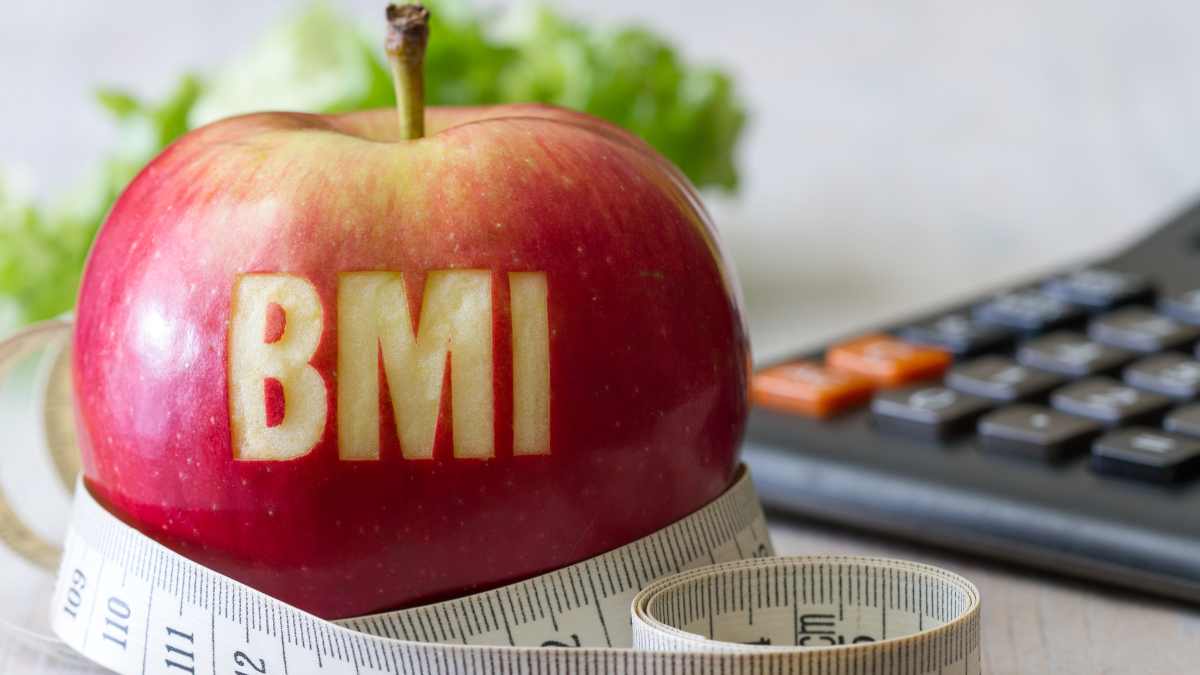
Determining a healthy weight range for older women involves considering various metrics, including Body Mass Index (BMI), waist circumference, and overall health status. BMI is a widely used tool that categorizes individuals into underweight, normal weight, overweight, and obese based on their height and weight. For older women, a BMI between 18.5 and 24.9 is typically considered healthy. However, this range may not be entirely applicable to everyone, particularly in the context of aging.
As women age, their body composition changes. Muscle mass tends to decrease while body fat may increase, which can affect BMI readings. Thus, it is essential to interpret BMI results with caution, especially in older adults. Health professionals often recommend using additional measures, such as waist circumference and body fat percentage, to provide a more comprehensive view of health.
Moreover, the concept of a healthy weight is not solely determined by numbers. Factors such as physical activity levels, nutritional intake, and chronic health conditions can significantly influence what is considered a healthy weight for an individual. Therefore, it’s crucial to adopt a holistic approach when assessing weight and health in older women.
Lastly, understanding the societal and cultural factors that influence perceptions of weight can also play a role. Many older women may feel pressured by societal standards, which can lead to unhealthy practices. Recognizing that health is multifaceted can empower women to focus on well-being rather than just weight.
Factors Influencing Weight in Women Aged 70 and Above
Several factors can influence weight in women aged 70 and above, including hormonal changes, lifestyle choices, and medical conditions. Hormonal fluctuations during menopause can lead to weight gain, particularly around the abdomen. This change can be exacerbated by a decrease in metabolism as muscle mass declines with age.
Lifestyle choices, such as diet and physical activity, also play a significant role in weight management. A balanced diet rich in nutrients is crucial for maintaining a healthy weight. Older women may face challenges in accessing healthy foods or may have dietary restrictions due to health conditions, which can impact their weight.
Chronic health conditions, such as diabetes, heart disease, and arthritis, can also affect weight. Medications used to manage these conditions may have side effects that influence appetite or metabolism, leading to weight gain or loss. Regular consultations with healthcare providers can help manage these conditions effectively while also addressing weight concerns.
Social factors, including isolation and lack of support, can further complicate weight management. Many older adults may experience loneliness, which can lead to emotional eating or decreased motivation to engage in physical activity. Addressing these social determinants is vital for promoting a healthy weight in older women.
The Role of Body Composition in Weight Assessment
Body composition is a critical factor in assessing health, particularly for older women. Unlike BMI, which only considers weight and height, body composition analysis provides insight into the proportion of fat, muscle, and bone in the body. A higher muscle mass generally indicates better health and metabolic function, while excess body fat, particularly visceral fat, can increase the risk of chronic diseases.
Measuring body composition can be done through various methods, including dual-energy X-ray absorptiometry (DEXA), bioelectrical impedance analysis (BIA), and skinfold measurements. These methods can help determine whether an individual is carrying excess fat and where it is distributed, which is essential for understanding health risks.
For older women, maintaining muscle mass is particularly important. Sarcopenia, or the loss of muscle mass due to aging, can lead to frailty and increased risk of falls and injuries. Engaging in resistance training and consuming adequate protein can help preserve muscle mass and improve overall body composition.
In summary, focusing on body composition rather than just weight can provide a more accurate picture of health for older women. By understanding the importance of muscle versus fat, women can make informed decisions about their fitness and nutrition, leading to better health outcomes.
Recommended Weight Guidelines Based on Height and BMI
Weight guidelines for older women can be derived from BMI charts, which categorize individuals based on their height and weight. For instance, a woman who is 5 feet 4 inches tall should ideally weigh between 110 and 145 pounds to fall within the normal BMI range. However, these numbers can vary based on individual health conditions and body composition.
It is essential to note that while BMI provides a useful guideline, it does not account for muscle mass, bone density, or fat distribution. Therefore, women should consider their overall health, physical activity levels, and how they feel in their bodies when assessing their weight. Consulting with healthcare professionals can help tailor weight recommendations to individual needs.
Additionally, waist circumference is another important metric, particularly for assessing abdominal fat. A waist circumference of more than 35 inches in women is associated with an increased risk of cardiovascular disease and other health issues. Monitoring waist size alongside weight can provide a more comprehensive view of health.
Ultimately, while BMI and weight guidelines can serve as useful tools, they should be viewed as part of a broader health assessment. Older women should focus on maintaining a healthy lifestyle that includes balanced nutrition, regular physical activity, and routine health check-ups to ensure their weight aligns with their overall well-being.
Health Implications of Underweight and Overweight Status
Both underweight and overweight statuses can have significant health implications for older women. Being underweight (BMI below 18.5) can lead to a range of health issues, including weakened immune function, osteoporosis, and increased risk of falls and fractures. Malnutrition is a common concern among underweight individuals, as insufficient nutrient intake can impair overall health and recovery from illness.
Conversely, overweight and obesity (BMI of 25 and above) are associated with a higher risk of chronic diseases such as diabetes, hypertension, and heart disease. Excess weight can also exacerbate existing health conditions and lead to mobility issues, impacting the quality of life. The accumulation of visceral fat, in particular, poses significant health risks, as it is linked to inflammation and metabolic dysfunction.
Mental health can also be affected by both underweight and overweight statuses. Older women may experience stigma or discrimination based on their weight, leading to feelings of low self-esteem, depression, and anxiety. Addressing these mental health aspects is crucial for promoting overall well-being.
In conclusion, maintaining a healthy weight is vital for older women to reduce the risk of chronic diseases and enhance their quality of life. Regular monitoring of weight, body composition, and overall health can help identify potential issues early and facilitate timely interventions.
Strategies for Maintaining a Healthy Weight in Later Life
Maintaining a healthy weight in later life requires a multifaceted approach that includes balanced nutrition, regular physical activity, and lifestyle modifications. A diet rich in fruits, vegetables, whole grains, lean proteins, and healthy fats is essential for providing the necessary nutrients while managing weight. Older women should aim to limit processed foods, added sugars, and excessive sodium to promote better health.
Physical activity is equally important. Engaging in a combination of aerobic exercises, strength training, and flexibility exercises can help maintain muscle mass, improve cardiovascular health, and enhance overall well-being. Aim for at least 150 minutes of moderate-intensity aerobic activity each week, along with strength training exercises at least twice a week.
Behavioral strategies, such as setting realistic goals, keeping a food diary, and seeking social support, can also aid in weight management. Joining a community group or working with a dietitian can provide motivation and accountability, making it easier to adhere to healthy habits.
Finally, regular health check-ups and consultations with healthcare providers can help monitor weight and address any underlying health issues. By taking a proactive approach to health, older women can successfully maintain a healthy weight and enjoy a better quality of life.
Conclusions:
Understanding what constitutes a healthy weight for a 70-year-old woman involves considering various factors, including body composition, lifestyle choices, and individual health conditions. It is essential to adopt a holistic approach that prioritizes overall well-being rather than focusing solely on weight. By implementing healthy eating habits, engaging in regular physical activity, and seeking support, older women can maintain a healthy weight and improve their quality of life as they age.
Read more
-
CDC – Healthy Weight
This resource provides comprehensive information about maintaining a healthy weight, including BMI calculations and guidelines. -
NIH – Body Composition
The National Institutes of Health offers insights into body composition and its relevance to health, particularly in older adults. -
WHO – Ageing and Health
The World Health Organization discusses the importance of healthy aging, including weight management and its impact on health. -
Mayo Clinic – Nutrition and Healthy Eating
This resource provides practical tips for healthy eating and maintaining a balanced diet, especially for older adults. -
Harvard Health – Exercise and Aging
Harvard Health explores the significance of physical activity in promoting health and longevity in older adults.