

Introduction:
Body Mass Index (BMI) is a widely used metric that helps assess an individual’s body weight relative to their height. For seniors, particularly those aged 70 and above, understanding BMI is crucial for maintaining health and well-being. As the body undergoes various physiological changes with age, the implications of BMI become more significant. This article will explore the recommended BMI ranges for older adults, the factors influencing BMI in this age group, the health implications of varying BMI levels, methods for accurate measurement, and strategies for achieving a healthy BMI after age 70.
Understanding BMI and Its Importance for Seniors
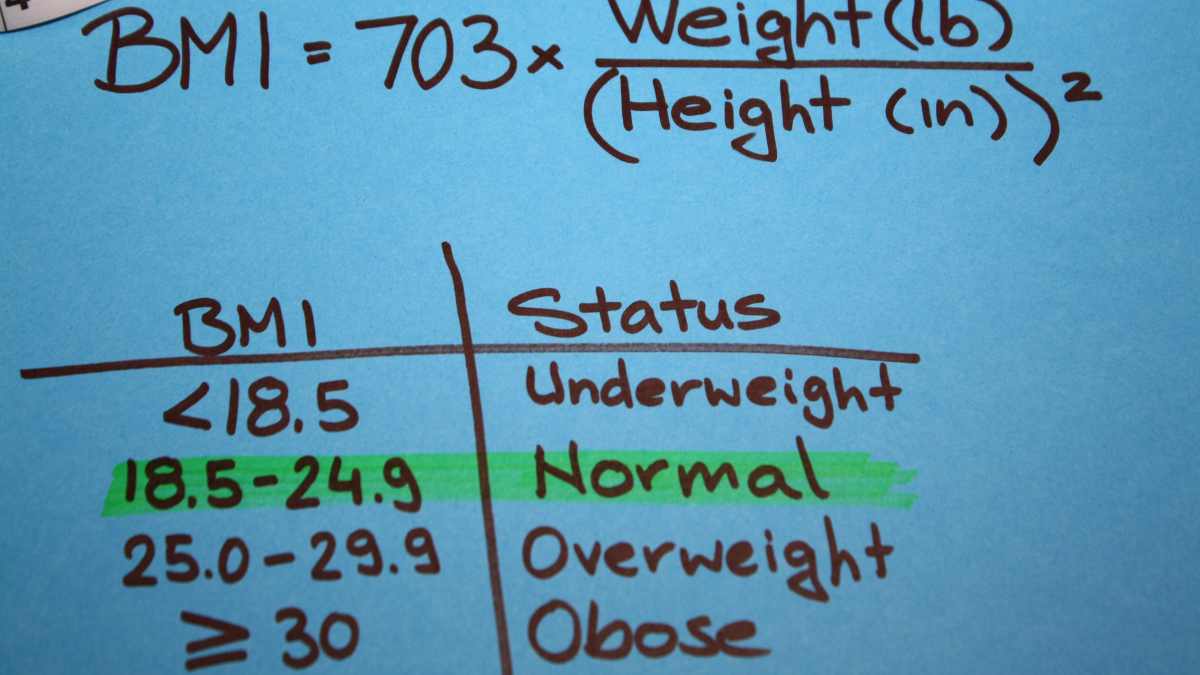
BMI is calculated using a simple formula: weight in kilograms divided by height in meters squared. This measurement provides a numerical value that categorizes individuals into different weight classes, such as underweight, normal weight, overweight, and obese. For seniors, BMI serves as a critical indicator of health status, as it correlates with various health risks, including cardiovascular disease, diabetes, and mobility issues.
As individuals age, their body composition changes, often leading to a decrease in muscle mass and an increase in fat mass. This shift can affect BMI readings, making it essential for seniors to interpret their BMI in the context of their overall health. A high BMI may not always indicate obesity, especially if the individual has retained muscle mass. Conversely, a low BMI could signal malnutrition or other health concerns, highlighting the need for a nuanced understanding of BMI in older adults.
Maintaining a healthy BMI is vital for seniors, as it can influence their overall quality of life. A healthy weight can enhance mobility, reduce the risk of chronic diseases, and improve mental health. Therefore, seniors should regularly monitor their BMI and consult healthcare professionals to interpret their results accurately.
Moreover, BMI is not the only measure of health. Other factors, such as waist circumference, body fat percentage, and overall fitness levels, should also be considered. Nonetheless, BMI remains a valuable tool for assessing health risks and guiding lifestyle changes in older adults.
Recommended BMI Ranges for Older Adults Explained
The World Health Organization (WHO) defines specific BMI categories: underweight (BMI < 18.5), normal weight (BMI 18.5–24.9), overweight (BMI 25–29.9), and obesity (BMI ≥ 30). For seniors, the recommended BMI range is generally similar, but some experts suggest slightly higher thresholds due to the unique physiological changes that occur with aging.
For individuals aged 70 and above, a BMI of 22 to 27 is often considered ideal. This range accommodates the natural loss of muscle mass and bone density that occurs with aging. A BMI below 22 may indicate undernutrition, while a BMI above 27 could suggest excess weight, which can lead to various health complications.
It is crucial to recognize that BMI is not a one-size-fits-all measurement. Factors such as ethnicity, gender, and individual health conditions can influence what constitutes a healthy BMI for each person. For example, some studies suggest that older adults with a slightly higher BMI may have better health outcomes than those with a lower BMI, particularly regarding mortality rates.
Healthcare providers often recommend a comprehensive assessment that includes BMI alongside other health indicators to determine the most appropriate weight goals for seniors. This holistic approach ensures that individuals receive personalized guidance tailored to their specific health needs.
Factors Influencing BMI in Individuals Aged 70 and Above
Several factors can influence BMI in seniors, including lifestyle choices, genetics, and medical conditions. Diet and nutrition play a significant role in determining body weight. As metabolism slows with age, seniors may need to adjust their caloric intake to maintain a healthy weight. Eating nutrient-dense foods is crucial to ensure adequate nutrition without excessive calorie consumption.
Physical activity is another critical factor. Regular exercise helps seniors maintain muscle mass, improve mobility, and regulate body weight. However, many older adults face barriers to physical activity, such as joint pain or mobility limitations, which can contribute to weight gain or loss. Encouraging a balanced exercise routine that includes strength training, flexibility exercises, and aerobic activities can help mitigate these challenges.
Genetics also plays a role in determining an individual's predisposition to certain body types and weight-related health issues. Some seniors may find it more challenging to maintain a healthy BMI due to hereditary factors. Understanding these genetic influences can help healthcare providers offer tailored advice and interventions.
Lastly, medical conditions and medications can significantly impact BMI. Conditions such as hypothyroidism, diabetes, and heart disease can affect metabolism and appetite. Additionally, certain medications may lead to weight gain or loss. Seniors should work closely with their healthcare team to monitor these factors and adjust their health strategies accordingly.
Health Implications of High and Low BMI in Seniors
A high BMI in seniors is often associated with an increased risk of chronic diseases, including heart disease, type 2 diabetes, and certain cancers. Excess weight can also lead to mobility issues, joint pain, and decreased overall physical function. As a result, seniors with a high BMI may experience a decline in their quality of life and increased healthcare costs.
Conversely, a low BMI can indicate malnutrition, which is particularly concerning for older adults. Malnutrition can lead to weakened immune function, increased susceptibility to infections, and slower recovery from illness or surgery. Seniors with a low BMI may also experience muscle wasting, which can further impair mobility and independence.
The relationship between BMI and health is complex, and it is essential for seniors to understand the potential risks associated with both high and low BMI. Regular health screenings and consultations with healthcare professionals can help identify any health concerns early, allowing for timely interventions.
Moreover, it is crucial to consider the overall health status of seniors rather than focusing solely on BMI. Factors such as physical fitness, mental health, and social support systems play a significant role in determining health outcomes. A comprehensive approach to health management can help seniors achieve a balanced and healthy lifestyle.
Methods for Accurately Measuring BMI in Older Adults
Accurate measurement of BMI in seniors requires careful attention to detail. The standard method involves measuring weight and height, but several factors can affect these readings. For instance, seniors may have difficulty standing straight or may require assistance with weighing, particularly if they have mobility issues.
To ensure accurate height measurements, seniors should be measured while standing against a wall with their heels, buttocks, and head touching the wall. If standing is not possible, alternative methods, such as using a measuring tape while seated or lying down, can be employed. Weight should be measured using a reliable scale, preferably one that is easy to access and use for seniors.
It is also essential to consider the timing of measurements. Weighing seniors at the same time of day, preferably in the morning before eating or drinking, can help ensure consistency. Additionally, healthcare providers should take into account any recent weight changes, as fluctuations can occur due to factors such as fluid retention or changes in diet.
Finally, healthcare professionals should interpret BMI results in the context of other health indicators, such as waist circumference and body composition. This comprehensive approach allows for a more accurate assessment of an individual's health status and informs appropriate interventions.
Strategies for Achieving a Healthy BMI After Age 70
Achieving and maintaining a healthy BMI after age 70 involves a multifaceted approach that includes dietary changes, physical activity, and regular health monitoring. Nutrition is a cornerstone of weight management. Seniors should focus on consuming a balanced diet rich in fruits, vegetables, whole grains, lean proteins, and healthy fats. Reducing processed foods and added sugars can also contribute to better overall health.
Incorporating regular physical activity into daily routines is essential for maintaining a healthy BMI. Seniors should aim for at least 150 minutes of moderate-intensity aerobic activity each week, along with strength training exercises at least twice a week. Activities such as walking, swimming, and yoga can improve cardiovascular health, enhance flexibility, and build muscle strength.
Social support is another critical factor in achieving a healthy BMI. Seniors can benefit from participating in group exercise classes, cooking clubs, or community activities that promote healthy living. Having a support network can motivate individuals to stay active and make healthier choices.
Lastly, regular check-ups with healthcare providers can help seniors monitor their BMI and overall health. These appointments allow for early identification of potential health issues and provide opportunities for personalized guidance on weight management strategies.
Conclusions:
Maintaining a healthy BMI is essential for seniors, as it significantly impacts overall health and quality of life. Understanding the recommended BMI ranges, the factors influencing BMI, and the health implications of varying BMI levels can empower older adults to take charge of their health. By implementing effective strategies for achieving a healthy BMI, seniors can enhance their well-being and enjoy a more active lifestyle.
Read more
-
World Health Organization – BMI Classification
This source provides an overview of BMI classifications and their significance in public health. -
Centers for Disease Control and Prevention – About Adult BMI
The CDC offers detailed information on how to calculate and interpret BMI for adults. -
National Institute on Aging – Healthy Eating
This resource discusses the importance of nutrition for older adults and offers tips for healthy eating. -
Mayo Clinic – BMI in Older Adults
Mayo Clinic provides insights into the significance of BMI for older adults and strategies for maintaining a healthy weight. -
Harvard Health Publishing – Exercise for Seniors
This article emphasizes the importance of physical activity for seniors and offers practical tips for staying active.