

Se hai un abbonamento attivo ACCEDI QUI
Introduction:
The concept of what constitutes a "skinny" weight for women is complex and varies significantly across different cultures and individual circumstances. While societal standards often dictate a narrow view of beauty, it is essential to approach the topic with a nuanced understanding of health, genetics, and personal well-being. This article explores the implications of body mass index (BMI), cultural perspectives on body image, genetic influences on weight, health risks associated with being underweight, methods for assessing body composition, and guidelines for maintaining a healthy weight.
Understanding Body Mass Index and Its Implications
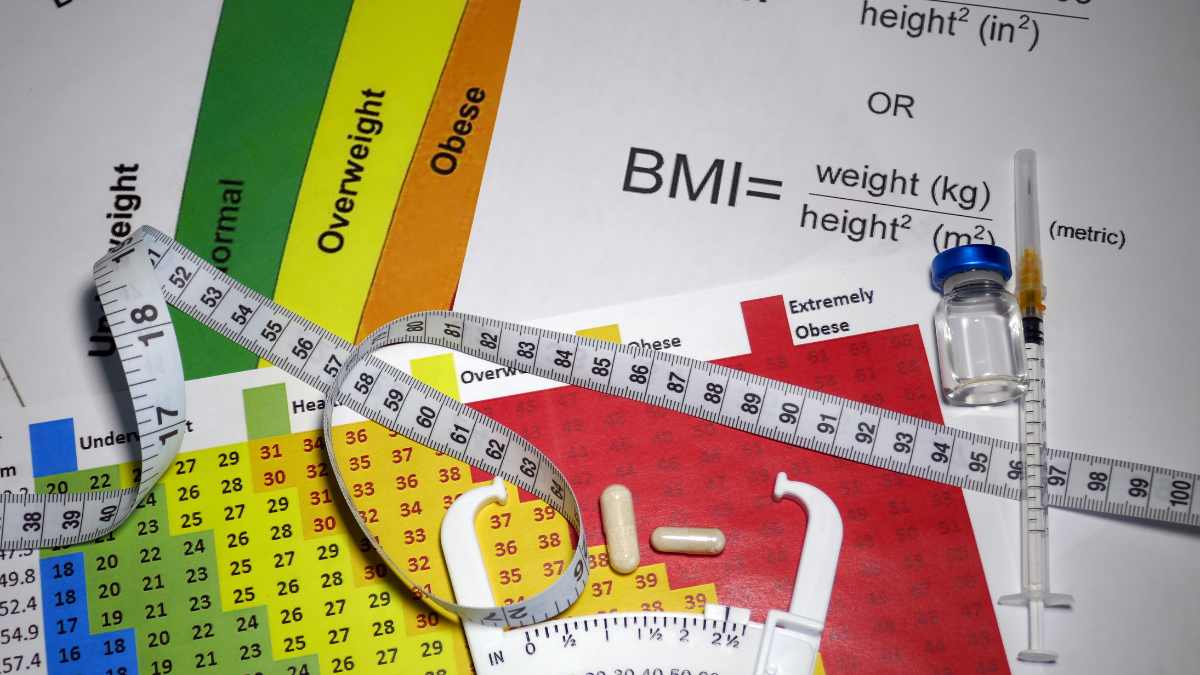
Body Mass Index (BMI) is a widely used tool for categorizing weight based on height and weight measurements. It provides a numerical value that can help identify whether an individual falls into the underweight, normal weight, overweight, or obese categories. For women, a BMI below 18.5 is typically classified as underweight, which some may interpret as "skinny." However, it is crucial to recognize that BMI does not account for muscle mass, bone density, or fat distribution, which can lead to misleading conclusions about an individual’s health.
BMI serves as a basic guideline, but it is not a definitive measure of health. For instance, athletes may have a high BMI due to increased muscle mass, yet they possess low body fat percentages. Conversely, individuals with a low BMI may have poor muscle tone or health issues that BMI does not reveal. Thus, while BMI can offer a starting point for assessing weight, it should not be the sole determinant of one’s health status.
Additionally, BMI can vary based on age and gender, necessitating a more tailored approach to weight assessment. For young women, the pressures of societal beauty standards can lead to unhealthy weight management practices, including restrictive dieting and excessive exercise. Therefore, understanding BMI’s limitations is essential for promoting a healthier perspective on body image and weight.
In summary, while BMI provides a useful framework for categorizing weight, it is essential to consider its limitations and the broader context of individual health. A comprehensive understanding of body weight must incorporate various factors, including lifestyle, genetics, and mental health.
Defining "Skinny": Cultural Perspectives and Variations
The definition of "skinny" is not universally agreed upon and varies widely across different cultures and communities. In many Western societies, the media often promotes an idealized image of thinness, associating it with beauty, success, and desirability. This narrow definition can lead to unrealistic expectations for women, contributing to body dissatisfaction and unhealthy weight control behaviors.
However, in other cultures, a fuller figure may be celebrated and associated with health and prosperity. For example, in some African and Caribbean cultures, being curvy is often seen as a sign of beauty and fertility. This cultural variation highlights the subjectivity of the term "skinny" and underscores the importance of recognizing diverse body types and beauty standards.
Moreover, the rise of social media has further complicated perceptions of body image. Influencers and celebrities often promote specific body types, leading to increased pressure on women to conform to these ideals. This phenomenon can exacerbate feelings of inadequacy among those who do not fit the mold, fostering a cycle of negative body image and unhealthy behaviors.
Ultimately, the definition of "skinny" is deeply rooted in cultural narratives and societal expectations. A more inclusive understanding of beauty and body image is necessary to combat the detrimental effects of these narrow definitions and promote a healthier relationship with one’s body.
The Role of Genetics in Determining Ideal Weight
Genetics play a significant role in determining an individual’s body weight and composition. Factors such as metabolism, fat distribution, and muscle mass are influenced by genetic predispositions, making it essential to understand that not all women can achieve the same weight or body type. Some individuals may naturally maintain a lower weight due to their genetic makeup, while others may find it challenging to lose weight despite their best efforts.
Genetic factors can also influence how the body responds to diet and exercise. For instance, some women may have a genetic tendency to store fat in specific areas, while others may find it easier to build muscle. These variations can impact how individuals perceive their weight and body image, leading to feelings of frustration or inadequacy when comparing themselves to others.
Furthermore, research has shown that genetics can affect appetite regulation and energy expenditure. For example, certain genetic variations may predispose individuals to feel hungrier or to burn calories more slowly. Understanding these genetic influences can help women set realistic weight management goals and foster a more compassionate approach to their bodies.
In conclusion, genetics significantly impact body weight and composition, highlighting the importance of recognizing individual differences. Embracing genetic diversity can lead to a more inclusive understanding of health and beauty, encouraging women to focus on their well-being rather than conforming to societal pressures.
Health Risks Associated with Being Underweight
While societal pressures often glorify thinness, being underweight can pose significant health risks. Women with a BMI below 18.5 may experience various health issues, including weakened immune function, nutritional deficiencies, and hormonal imbalances. These conditions can lead to complications such as osteoporosis, infertility, and increased susceptibility to infections.
Underweight individuals may also experience mental health challenges. Research has shown that those with low body weight are at a higher risk for developing anxiety, depression, and eating disorders. The societal emphasis on thinness can exacerbate these mental health issues, creating a vicious cycle of negative body image and unhealthy behaviors.
Moreover, being underweight can impact overall physical health and well-being. Women may experience fatigue, muscle weakness, and decreased energy levels, affecting their ability to engage in daily activities. In severe cases, extreme underweight can lead to life-threatening conditions such as organ failure or heart problems.
It is crucial to recognize that health is not solely defined by weight. Fostering a balanced approach to nutrition and self-care is essential for promoting overall well-being, regardless of body size. Encouraging healthy habits and body positivity can help combat the stigma associated with being underweight and promote a more holistic understanding of health.
Assessing Weight Through Body Composition Analysis
While BMI is a common tool for assessing weight, body composition analysis offers a more comprehensive understanding of an individual’s health. Body composition refers to the proportion of fat, muscle, bone, and water in the body, providing insight into overall health beyond mere weight. Techniques such as Dual-Energy X-ray Absorptiometry (DEXA) scans, bioelectrical impedance analysis, and skinfold measurements can help determine body fat percentage and distribution.
Understanding body composition is crucial for developing personalized health goals. For instance, a woman with a higher muscle mass may weigh more than someone with a lower muscle mass but still be healthier. By focusing on body composition rather than weight alone, individuals can set more realistic and achievable health goals that prioritize strength and fitness.
Additionally, body composition analysis can help identify potential health risks associated with excess body fat or low muscle mass. By understanding these factors, women can make informed decisions about their nutrition and exercise regimens, leading to improved overall health and well-being.
In summary, assessing weight through body composition analysis provides a more nuanced perspective on health. By focusing on the quality of body weight rather than quantity, women can foster a healthier relationship with their bodies and prioritize their overall well-being.
Guidelines for Healthy Weight Management in Women
Maintaining a healthy weight involves a balanced approach that prioritizes nutrition, physical activity, and mental well-being. Women should aim to adopt a varied and nutrient-dense diet that includes fruits, vegetables, whole grains, lean proteins, and healthy fats. This balanced approach not only supports weight management but also promotes overall health and vitality.
Regular physical activity is also essential for maintaining a healthy weight. Engaging in a combination of aerobic exercises, strength training, and flexibility activities can help women build muscle, improve metabolism, and enhance overall fitness. Finding enjoyable activities can foster a sustainable exercise routine that promotes long-term health.
Moreover, mental health plays a crucial role in weight management. Women should prioritize self-care practices that promote positive body image and mental well-being. This may include mindfulness, therapy, or support groups that encourage healthy discussions around body image and weight.
Ultimately, healthy weight management is a holistic process that encompasses physical, emotional, and social well-being. By adopting a balanced approach to nutrition, exercise, and mental health, women can cultivate a positive relationship with their bodies and achieve their health goals.
Conclusions:
The concept of what weight is considered "skinny" for women is multifaceted and influenced by various factors, including cultural perspectives, genetics, and health considerations. It is essential to approach the topic with sensitivity and a focus on individual well-being rather than societal standards. By promoting a holistic understanding of health and body image, we can foster a more inclusive and compassionate perspective on weight.
Read more:
- World Health Organization – Body Mass Index – A comprehensive overview of BMI and its implications for health.
- National Institutes of Health – Genetics of Obesity – An exploration of how genetics influences body weight and composition.
- Mayo Clinic – Underweight: Causes and Risks – Information on the health risks associated with being underweight.
- American Council on Exercise – Body Composition Analysis – A detailed guide on assessing body composition and its importance for health.
- Harvard Health Publishing – Healthy Weight Management – Guidelines for achieving and maintaining a healthy weight through balanced nutrition and exercise.