

Introduction:
Determining the ideal weight for a 5’4" female involves understanding various factors, including body composition, age, and overall health. While height is a significant determinant, it is essential to consider other aspects that contribute to an individual’s health and well-being. This article delves into the concept of Body Mass Index (BMI), the ideal weight range for a woman of this height, and the implications of being underweight or overweight. Additionally, we will explore tools for calculating ideal weight and provide recommendations for achieving and maintaining a healthy weight.
Understanding Body Mass Index (BMI) for Women
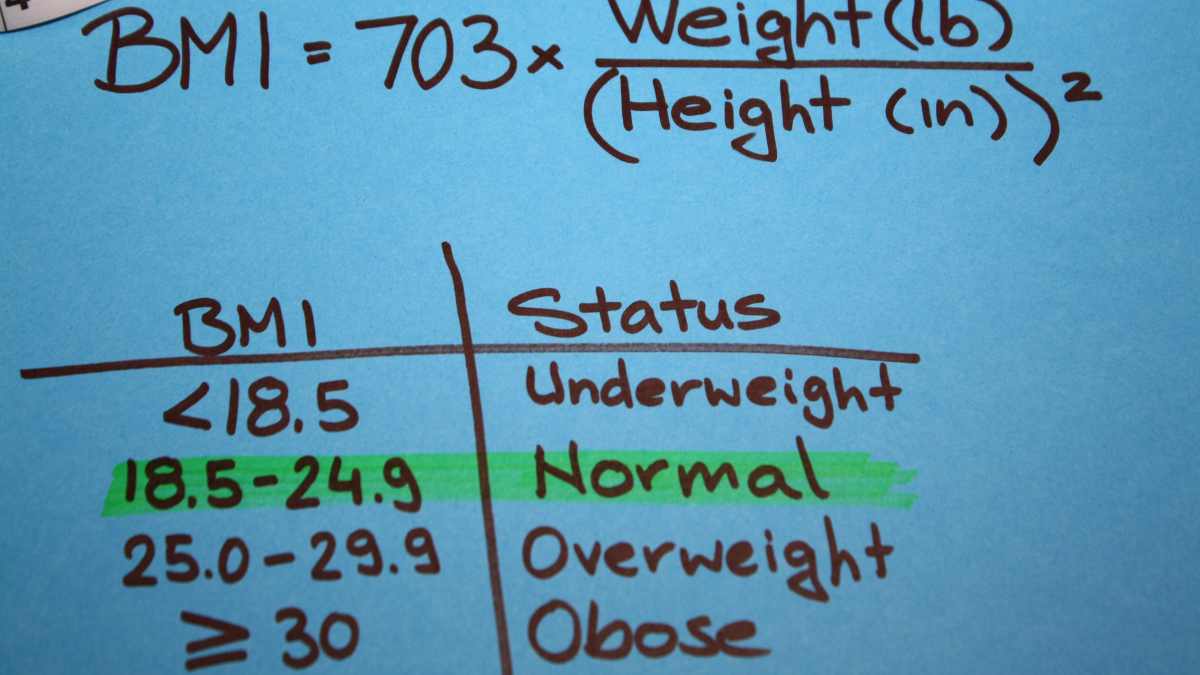
Body Mass Index (BMI) is a widely used metric that helps assess whether an individual has a healthy weight relative to their height. It is calculated by dividing a person’s weight in kilograms by the square of their height in meters. For women, BMI categories are defined as follows: underweight (BMI less than 18.5), normal weight (BMI 18.5 to 24.9), overweight (BMI 25 to 29.9), and obesity (BMI 30 or greater).
While BMI is a useful screening tool, it does not account for muscle mass, bone density, or fat distribution. Therefore, it is essential to interpret BMI results with caution. For example, a muscular individual may have a high BMI but still be healthy. Conversely, someone with a normal BMI may have a high body fat percentage, indicating potential health risks.
Moreover, BMI can vary across different populations and ethnic groups, making it crucial to consider cultural and genetic factors when evaluating weight. Despite its limitations, BMI remains a popular and straightforward method for assessing weight-related health risks, especially in clinical settings.
In summary, understanding BMI is fundamental for women looking to evaluate their weight in relation to their height. However, it should be viewed as one of many tools available for assessing overall health.
Ideal Weight Range for a 5’4" Female: An Overview
For a woman who is 5’4" tall, the ideal weight range typically falls between 110 to 145 pounds, according to BMI standards. This range corresponds to a BMI of approximately 19 to 24, which is considered healthy. However, it is essential to recognize that these numbers are general guidelines and may not apply to everyone.
The lower end of the weight range (around 110 pounds) may be more suitable for women with smaller frames, while those with larger frames may find the upper end (around 145 pounds) more appropriate. This variability underscores the importance of considering body composition and individual health conditions when determining ideal weight.
It is also important to note that age and hormonal changes can influence weight. For instance, women may experience weight fluctuations during different life stages, such as pregnancy or menopause, which can affect their ideal weight.
In conclusion, while the ideal weight range for a 5’4" female provides a useful benchmark, individual factors must be taken into account to determine what is truly healthy for each person.
Factors Influencing Ideal Weight Beyond Height
While height is a crucial factor in determining ideal weight, several other elements play a significant role. Body composition is one of the most important factors; individuals with a higher muscle mass may weigh more but still be healthy. Muscle is denser than fat, meaning that two people of the same height and weight can have very different body compositions and health profiles.
Age also impacts ideal weight. As women age, their metabolism tends to slow down, and hormonal changes can lead to weight gain, particularly around the abdomen. This shift may necessitate adjustments in diet and exercise to maintain a healthy weight.
Genetics can also influence weight. Some individuals may be predisposed to carry more weight due to their genetic makeup, affecting their ideal weight range. This genetic predisposition can manifest in different body shapes and fat distribution patterns, making it essential to consider family history when evaluating weight.
Lastly, lifestyle factors such as diet, physical activity levels, and stress management significantly impact weight. A balanced diet rich in nutrients, combined with regular physical activity, is crucial for maintaining a healthy weight and overall well-being.
Health Implications of Being Underweight or Overweight
Being underweight can pose several health risks, including weakened immune function, nutritional deficiencies, and decreased bone density. Women who are underweight may also experience irregular menstrual cycles, which can affect fertility. It is essential for underweight individuals to seek guidance from healthcare professionals to develop a plan for achieving a healthier weight.
Conversely, being overweight or obese is associated with numerous health complications, including heart disease, diabetes, and certain types of cancer. Excess weight can also lead to joint issues and decreased mobility, impacting overall quality of life. Understanding the health implications of weight is vital for making informed decisions about lifestyle and dietary changes.
Moreover, mental health can also be affected by weight. Individuals who struggle with being underweight or overweight may experience body image issues, anxiety, or depression. Addressing these psychological aspects is crucial for achieving and maintaining a healthy weight.
In summary, both underweight and overweight conditions carry significant health risks. It is essential to approach weight management holistically, considering both physical and mental health aspects.
Tools and Calculators for Determining Ideal Weight
Various tools and calculators are available to help individuals determine their ideal weight. One of the most common is the BMI calculator, which can be easily found online. By inputting height and weight, users can quickly assess their BMI and understand where they fall within the weight categories.
Another useful tool is the waist-to-hip ratio calculator, which helps assess fat distribution. This measurement is particularly important because abdominal fat is linked to higher health risks, regardless of overall weight. A healthy waist-to-hip ratio is typically below 0.85 for women.
Additionally, body composition analyzers can provide insights into muscle mass, fat percentage, and overall health. These devices can be found in many gyms and healthcare facilities, offering a more comprehensive view of an individual’s health beyond just weight.
Lastly, consulting with healthcare professionals, such as dietitians or nutritionists, can provide personalized recommendations based on individual health goals and conditions. These experts can help create tailored plans that consider various factors influencing weight.
Recommendations for Achieving and Maintaining Healthy Weight
To achieve and maintain a healthy weight, it is essential to adopt a balanced approach that includes a nutritious diet and regular physical activity. Focus on consuming a variety of whole foods, including fruits, vegetables, lean proteins, and whole grains. Limiting processed foods, added sugars, and unhealthy fats can also contribute to better health outcomes.
Incorporating regular exercise into daily routines is crucial for weight management. Aim for at least 150 minutes of moderate-intensity aerobic activity each week, combined with strength training exercises at least twice a week. This combination helps build muscle, improve metabolism, and promote overall health.
Mindful eating practices can also support healthy weight management. Paying attention to hunger cues, eating slowly, and savoring meals can help prevent overeating and promote a healthier relationship with food.
Lastly, setting realistic goals and tracking progress can help maintain motivation. Whether through journaling, using apps, or consulting with professionals, keeping track of dietary habits and physical activity can provide valuable insights and encourage accountability.
Conclusions:
Determining the ideal weight for a 5’4" female involves a multifaceted approach that considers height, body composition, age, genetics, and lifestyle factors. While BMI provides a useful guideline, it is crucial to recognize its limitations and the importance of individual health. Achieving and maintaining a healthy weight requires a balanced diet, regular exercise, and mindful practices. By understanding the various factors influencing weight and prioritizing overall well-being, women can make informed decisions about their health.
Read more:
- Centers for Disease Control and Prevention (CDC) – About Adult BMI – A comprehensive resource on BMI and its implications for health.
- National Heart, Lung, and Blood Institute – Aim for a Healthy Weight – Guidelines and tools for achieving a healthy weight.
- Mayo Clinic – Healthy Weight – Insights on maintaining a healthy weight through lifestyle changes.
- World Health Organization (WHO) – Obesity and Overweight – Information on the global impact of obesity and recommendations for prevention.
- Harvard Health Publishing – The Truth About BMI – An article discussing the limitations of BMI and alternative measures of health.