

Se hai un abbonamento attivo ACCEDI QUI
Introduction:
Body Mass Index (BMI) serves as a widely utilized tool in assessing an individual’s body weight relative to their height. It provides a numerical value that categorizes individuals into various weight classifications, which can offer insights into potential health risks. However, understanding what constitutes an unhealthy BMI is crucial for both individuals and healthcare providers. This article delves into the technical aspects of BMI, defines unhealthy thresholds, explores associated health risks, analyzes the BMI scale, discusses its role in clinical assessments, and outlines effective strategies for managing BMI.
Understanding Body Mass Index: A Technical Overview
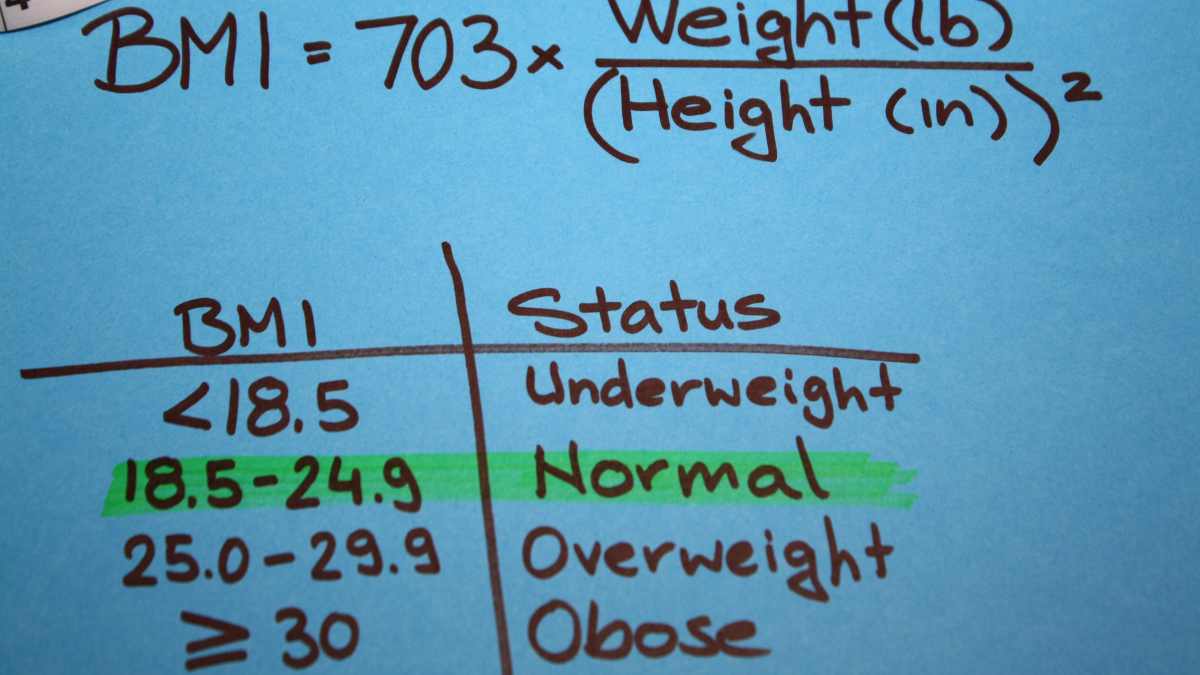
Body Mass Index is calculated using a simple formula: weight in kilograms divided by the square of height in meters (kg/m²). This straightforward calculation allows for a quick assessment of body weight status without requiring complex measurements. The simplicity of the formula makes it accessible for both clinical and personal use, enabling individuals to gauge their weight in relation to height effectively.
Despite its ease of use, BMI has limitations. It does not differentiate between muscle mass and fat, which can lead to misleading classifications, particularly for athletes or those with high muscle density. Furthermore, BMI does not account for the distribution of fat throughout the body, which is a significant factor in health outcomes. Therefore, while BMI is a useful screening tool, it should not be the sole indicator of an individual’s health status.
The World Health Organization (WHO) recognizes BMI as a standard measure for categorizing weight status. It provides a framework to identify individuals who may be underweight, normal weight, overweight, or obese based on their BMI score. This classification aids in public health initiatives and informs healthcare providers about potential interventions for weight management.
In recent years, there has been a growing interest in alternative metrics to assess health risks, such as waist-to-hip ratio and body fat percentage. These measures can offer a more nuanced understanding of an individual’s health, particularly in populations where BMI may not accurately reflect health status. Nonetheless, BMI remains a cornerstone in weight classification and health risk assessment.
Defining Unhealthy BMI: Thresholds and Implications
An unhealthy BMI is generally classified as being either underweight (BMI < 18.5), overweight (BMI ≥ 25), or obese (BMI ≥ 30). Each of these categories has specific thresholds that indicate potential health risks. Being underweight can lead to nutritional deficiencies and weakened immune function, while being overweight or obese is associated with a higher likelihood of chronic diseases.
The implications of an unhealthy BMI extend beyond individual health; they also impact public health systems. High rates of obesity, for instance, contribute to increased healthcare costs due to the management of obesity-related conditions such as diabetes, cardiovascular diseases, and certain cancers. Understanding these thresholds is essential for policymakers and healthcare providers as they develop strategies to combat obesity and promote healthier lifestyles.
Moreover, the cultural context can influence perceptions of BMI and body weight. In some societies, higher body weights may be associated with wealth and prosperity, while in others, thinness may be idealized. These cultural differences can complicate the interpretation of BMI and its implications for health, necessitating a more comprehensive approach to weight management that considers psychological and social factors.
In clinical practice, identifying an unhealthy BMI is the first step in developing a personalized health plan. Healthcare providers often use BMI as a screening tool to initiate discussions about diet, exercise, and lifestyle modifications. However, it is crucial to approach these conversations with sensitivity and an understanding of the individual's unique circumstances.
Health Risks Associated with Unhealthy BMI Levels
Unhealthy BMI levels are linked to a myriad of health risks, particularly for those classified as overweight or obese. Research has consistently shown that individuals with elevated BMI scores are at a higher risk for developing chronic conditions such as type 2 diabetes, hypertension, and cardiovascular diseases. These conditions can lead to significant morbidity and mortality, underscoring the importance of addressing unhealthy weight.
In addition to physical health risks, an unhealthy BMI can also impact mental health. Individuals with obesity may experience stigma and discrimination, leading to issues such as depression, anxiety, and low self-esteem. The psychological ramifications of being classified as overweight or obese can create a vicious cycle, where emotional distress leads to unhealthy eating habits and further weight gain.
Furthermore, the risks associated with an unhealthy BMI are not uniform across all populations. Factors such as age, gender, ethnicity, and socioeconomic status can influence how BMI affects health. For instance, certain ethnic groups may be more susceptible to obesity-related diseases at lower BMI thresholds than others, necessitating tailored public health approaches.
Addressing the health risks associated with unhealthy BMI requires a multifaceted strategy that includes education, access to healthy foods, and opportunities for physical activity. Public health campaigns aimed at raising awareness about the risks of obesity and promoting healthy lifestyle choices can play a pivotal role in mitigating these risks.
Analyzing the BMI Scale: Categories and Interpretations
The BMI scale categorizes individuals into several groups: underweight, normal weight, overweight, and obese, with further subdivisions within the obese category. Understanding these categories is essential for interpreting BMI results accurately. For example, a BMI of 18.5–24.9 is considered normal, while a BMI of 25–29.9 indicates overweight, and 30 or above is classified as obese.
Each of these categories has specific health implications. Normal weight individuals generally have a lower risk of chronic diseases, while those in the overweight and obese categories face increased health risks. Additionally, the degree of obesity is further classified into Class 1 (BMI 30–34.9), Class 2 (BMI 35–39.9), and Class 3 (BMI ≥ 40), with Class 3 being referred to as severe or morbid obesity, which carries the highest health risks.
It is important to recognize that BMI is not a definitive measure of health. Individuals with the same BMI may have different health profiles based on factors such as muscle mass, fat distribution, and overall fitness levels. Therefore, healthcare providers often use BMI in conjunction with other assessments, such as waist circumference and metabolic health indicators, to gain a more comprehensive understanding of an individual's health.
Moreover, the interpretation of BMI can vary based on age and gender. For instance, older adults may have different body composition characteristics than younger individuals, which can affect the relationship between BMI and health outcomes. As such, it is essential for healthcare providers to consider these factors when assessing BMI and its implications for health.
The Role of BMI in Clinical Assessments and Guidelines
BMI plays a significant role in clinical assessments, serving as a preliminary screening tool for identifying individuals who may benefit from further evaluation. Healthcare providers often use BMI to initiate discussions about weight management and overall health. It provides a standardized method for assessing weight status, which can facilitate communication between patients and providers.
Clinical guidelines often incorporate BMI as a key metric in determining the need for interventions. For instance, individuals with a BMI of 30 or higher may be referred to weight management programs or offered pharmacological treatments. These guidelines help ensure that patients receive appropriate care based on their weight status and associated health risks.
However, reliance solely on BMI can lead to oversimplification of an individual's health status. It is crucial for healthcare providers to consider additional factors such as dietary habits, physical activity levels, and metabolic health when developing treatment plans. A comprehensive approach to weight management that includes lifestyle modifications, behavioral interventions, and, when necessary, medical treatments is essential for achieving long-term success.
Furthermore, ongoing research continues to refine our understanding of BMI and its implications for health. Emerging studies are exploring the relationship between BMI and various health outcomes, leading to potential updates in clinical guidelines. As our understanding evolves, healthcare providers must stay informed about the latest evidence to provide the best care for their patients.
Strategies for Managing and Improving BMI Effectively
Managing and improving BMI effectively involves a combination of lifestyle changes, education, and support. One of the most critical strategies is promoting a balanced diet rich in whole foods, fruits, vegetables, lean proteins, and healthy fats. Educating individuals about portion sizes and the importance of nutritional quality can empower them to make healthier food choices.
Incorporating regular physical activity is another vital component of effective BMI management. Engaging in at least 150 minutes of moderate-intensity aerobic exercise per week, along with strength training exercises, can help individuals maintain a healthy weight and improve overall fitness. Creating a supportive environment that encourages physical activity, such as community programs or access to recreational facilities, can further enhance these efforts.
Behavioral interventions, such as setting realistic goals, tracking progress, and seeking social support, can also play a crucial role in managing BMI. Encouraging individuals to keep food diaries or participate in support groups can foster accountability and motivation. Additionally, healthcare providers can offer resources and referrals to registered dietitians or nutritionists for personalized guidance.
Finally, addressing the psychological aspects of weight management is essential. Many individuals struggle with emotional eating or body image issues, which can hinder their ability to achieve a healthy BMI. Providing access to mental health resources, such as counseling or therapy, can help individuals develop healthier coping strategies and improve their relationship with food and body image.
Conclusions:
Understanding what constitutes an unhealthy BMI is vital for individuals and healthcare providers alike. While BMI serves as a useful screening tool, it is essential to recognize its limitations and consider a holistic approach to health that includes lifestyle factors, psychological well-being, and individual circumstances. By promoting education, healthy behaviors, and supportive environments, we can work towards improving BMI levels and reducing the associated health risks.
Read more
- World Health Organization: BMI Classification – This page provides an overview of BMI classification and its implications for health.
- Centers for Disease Control and Prevention: About Adult BMI – A resource for understanding how to calculate and interpret BMI for adults.
- National Institutes of Health: Health Risks of Overweight – This article discusses the health risks associated with being overweight and obese.
- Mayo Clinic: BMI: What It Is and How to Calculate It – A comprehensive guide on BMI, including its calculation and significance.
- American Heart Association: Understanding BMI – This resource explains BMI and its relevance to heart health and overall wellness.