

Introduction:
In a world where body image and weight are often conflated with self-worth, many individuals find themselves puzzled by the discrepancy between how they feel and how they appear. It is not uncommon to hear someone express surprise at their weight, feeling heavier than they look. This phenomenon can be attributed to a myriad of factors, including body composition, muscle mass, fat distribution, water retention, and psychological perceptions. Understanding these elements can provide clarity and help individuals navigate their weight management journey more effectively.
Understanding Body Composition: Beyond the Scale’s Numbers
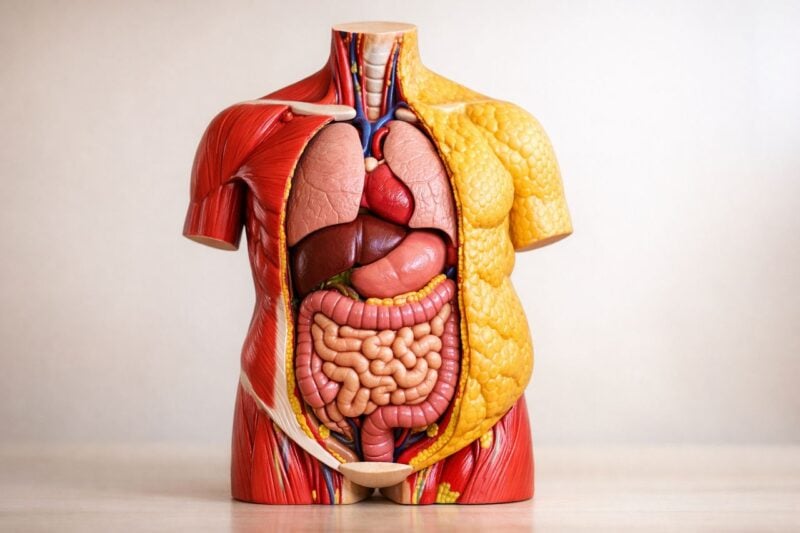
Body composition refers to the proportions of fat, muscle, bone, and other tissues that make up an individual’s body. Unlike the scale, which provides a singular number, body composition offers a more nuanced view of health and weight. Muscle and fat are not equivalent in terms of volume; muscle is denser than fat. Therefore, two individuals may weigh the same but look different based on their body composition.
The scale often fails to account for these differences, leading to confusion and frustration. For instance, someone with a higher muscle mass may weigh more than someone with a higher fat percentage, despite appearing slimmer. This discrepancy highlights the importance of focusing on body composition rather than just weight. Tools like body fat percentage measurements and waist-to-hip ratios can provide a more accurate picture of health.
Moreover, body composition can be influenced by various factors, including genetics, diet, and exercise. Understanding your unique body composition can empower you to make informed decisions about your health. It also emphasizes that health is not solely determined by weight, but rather by the balance of different components within the body.
Incorporating regular assessments of body composition can help individuals track changes over time, offering a more comprehensive view of their health journey. This approach encourages a shift in focus from weight loss to overall well-being, fostering a healthier relationship with one’s body.
The Role of Muscle Mass in Weight Perception and Health
Muscle mass plays a crucial role in determining how weight is perceived. Muscle is metabolically active tissue, meaning it burns more calories at rest compared to fat. This higher basal metabolic rate can lead to individuals with more muscle mass weighing more, yet appearing leaner and more toned.
Additionally, muscle contributes to a more sculpted physique, which can enhance visual appearance. When individuals engage in strength training or resistance exercises, they often gain muscle while losing fat. This process can result in a net weight increase, despite a more favorable body shape and size.
Understanding the relationship between muscle mass and weight perception is vital for those aiming to improve their body composition. Rather than focusing solely on the scale, individuals should consider incorporating strength training into their fitness routines. This not only aids in muscle gain but also promotes fat loss, leading to a healthier body overall.
Furthermore, the benefits of increased muscle mass extend beyond aesthetics. Higher muscle mass is associated with improved metabolic health, reduced risk of chronic diseases, and enhanced physical performance. Therefore, prioritizing muscle development can significantly impact both perceived and actual weight.
Fat Distribution Patterns: How They Affect Visual Weight
Fat distribution plays a pivotal role in how weight is perceived visually. Individuals store fat in different areas of their bodies, which can affect their overall silhouette. For example, someone with a pear-shaped body may carry more weight in their hips and thighs, while someone with an apple shape may store fat around their abdomen.
This distribution can lead to significant differences in how heavy a person appears. Even if two individuals weigh the same, their body shapes can create varying perceptions of weight. This phenomenon can contribute to feelings of dissatisfaction or confusion regarding one’s body image.
Moreover, certain fat distribution patterns are linked to health risks. Visceral fat, which accumulates around the organs, is associated with a higher risk of metabolic syndrome and cardiovascular diseases. Understanding one’s fat distribution can provide insight into potential health concerns, emphasizing the importance of not just weight, but where that weight is located.
To address fat distribution, individuals may consider targeted exercises, dietary adjustments, and lifestyle changes. While spot reduction is largely a myth, overall fat loss can lead to changes in body shape and improved health. Recognizing the impact of fat distribution can help individuals set realistic goals and expectations for their weight management journey.
The Impact of Water Retention on Body Weight Readings
Water retention, or edema, can significantly affect body weight readings. Factors such as diet, hormonal fluctuations, and physical activity levels can lead to temporary increases in water weight. For instance, consuming high amounts of sodium can cause the body to retain water, resulting in a higher scale reading without any actual weight gain.
Hormonal changes, particularly in women, can also lead to fluctuations in water retention. During menstrual cycles, many women experience weight changes due to hormonal shifts. This can create confusion and frustration, as the scale may not accurately reflect changes in body fat or muscle mass.
Understanding the role of water retention is essential for interpreting weight changes. It is important to recognize that fluctuations in weight due to water retention are normal and do not necessarily indicate changes in body composition. Keeping a consistent routine, including hydration and diet, can help mitigate the impact of water weight on overall weight perception.
Monitoring weight trends over time, rather than day-to-day fluctuations, can provide a clearer picture of true weight changes. This approach encourages a more balanced perspective on weight management, reducing the emotional impact of temporary weight shifts.
Psychological Factors: Perception vs. Reality in Weight
Psychological factors play a significant role in how individuals perceive their weight. Cognitive biases, societal standards, and personal experiences can distort one’s self-image. For instance, individuals may focus on perceived flaws rather than recognizing their strengths, leading to feelings of inadequacy despite being within a healthy weight range.
The concept of body dysmorphia highlights the disconnect between perception and reality. Individuals with this condition may view themselves as overweight, even when they are not. This can lead to unhealthy behaviors, including extreme dieting and excessive exercise, in an attempt to conform to an idealized body image.
Moreover, societal pressures and media portrayals of beauty can exacerbate these psychological factors. The constant bombardment of images showcasing unrealistic body standards can lead to dissatisfaction with one’s own body. This can create a cycle of negative self-talk and unhealthy behaviors.
Addressing these psychological factors is crucial for fostering a healthier relationship with one’s body. Therapeutic interventions, such as cognitive-behavioral therapy, can help individuals reframe their perceptions and develop a more positive body image. Encouraging self-compassion and acceptance can lead to improved mental well-being and a more balanced approach to weight management.
Assessing Weight Management: Strategies for Accurate Insight
To gain accurate insight into weight management, individuals should consider a multi-faceted approach. This includes regular assessments of body composition, tracking dietary habits, and monitoring physical activity. Utilizing tools such as body fat scales, measuring tape, and fitness trackers can provide valuable data beyond the scale.
Setting realistic and achievable goals is also essential. Rather than focusing solely on weight loss, individuals should aim for improvements in body composition, fitness levels, and overall health. This holistic approach can lead to more sustainable changes and a healthier mindset.
Additionally, seeking professional guidance from nutritionists, personal trainers, or healthcare providers can enhance one’s understanding of weight management. These experts can provide tailored advice and support, helping individuals navigate their unique challenges.
Finally, fostering a supportive environment is crucial for long-term success. Surrounding oneself with positive influences and engaging in community support can motivate individuals to stay committed to their goals. Building a network of encouragement can significantly impact one’s journey toward improved health and well-being.
Conclusions:
Understanding why one may feel heavier than they appear involves a complex interplay of factors, including body composition, muscle mass, fat distribution, water retention, and psychological perceptions. By recognizing these elements, individuals can foster a healthier relationship with their bodies and approach weight management with a more informed perspective. Emphasizing overall health and well-being rather than just the numbers on a scale can lead to more sustainable and fulfilling outcomes.
Read more
- National Institute of Health – Body Composition: This resource provides insights into body composition and its impact on health.
- American Council on Exercise – Understanding Body Fat: A detailed explanation of body fat and its significance in weight management.
- Mayo Clinic – Water Retention: An overview of water retention and its effects on body weight.
- Cleveland Clinic – Muscle Mass and Weight: This article discusses the importance of muscle mass in weight perception and overall health.
- Psychology Today – Body Image: A comprehensive look at body image and the psychological factors influencing self-perception.