

Se hai un abbonamento attivo ACCEDI QUI
Introduction:
Body Mass Index (BMI) has long been a staple in the medical community for assessing body weight relative to height. Despite ongoing debates regarding its efficacy and relevance, many healthcare professionals continue to use BMI as a primary metric for evaluating a patient’s health. This article explores the multifaceted reasons behind the sustained use of BMI, examining its historical context, advantages, limitations, clinical applications, and potential future directions in the realm of body metrics.
Understanding the Role of BMI in Clinical Assessments
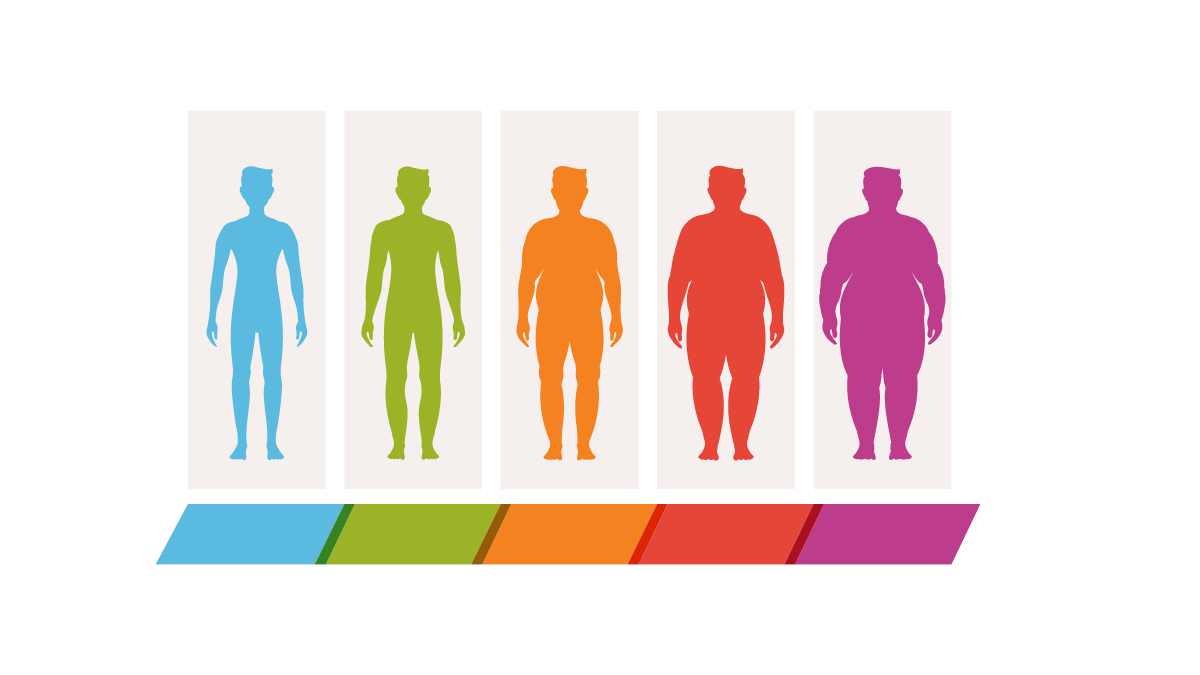
BMI serves as a quick and simple tool for estimating body fatness in individuals. It is calculated using the formula weight in kilograms divided by the square of height in meters (kg/m²). This straightforward calculation allows healthcare providers to categorize patients into various weight categories: underweight, normal weight, overweight, and obese. Such classifications can facilitate discussions about health risks associated with different weight ranges, making it a useful starting point for clinical assessments.
Moreover, BMI is often used as a screening tool rather than a definitive diagnostic measure. It can help identify individuals who may benefit from further evaluation regarding their weight-related health risks. For instance, a high BMI may prompt further investigations into conditions such as diabetes, hypertension, and cardiovascular diseases. This initial screening can be crucial in preventive health strategies, allowing for early interventions.
In addition to individual assessments, BMI provides a standardized metric that can be applied across diverse populations. This uniformity allows for easier comparisons and aggregations of health data on a larger scale, making it a valuable tool in public health initiatives. By utilizing BMI, researchers and policymakers can track trends in obesity and related health issues, guiding interventions and resource allocation.
Lastly, the simplicity of BMI contributes to its widespread acceptance and use in clinical practice. Healthcare providers often have limited time during patient consultations, and BMI offers a rapid method for evaluating body weight without requiring complex measurements or expensive equipment. This ease of use is particularly beneficial in primary care settings, where practitioners must make quick assessments.
Historical Context: The Development of BMI as a Metric
The origins of BMI can be traced back to the early 19th century when Belgian mathematician Adolphe Quetelet developed the concept as part of his work in social physics. Quetelet sought to establish a standard measurement that could be applied to populations rather than individuals, laying the groundwork for what would later become BMI. His work emphasized the importance of understanding societal health trends, which remains relevant today.
In the mid-20th century, BMI gained prominence as a practical tool for assessing body weight in clinical settings. The World Health Organization (WHO) adopted BMI as a standard metric for obesity classification in the 1990s, further solidifying its role in global health discussions. This endorsement by a reputable organization helped establish BMI as a benchmark for evaluating weight-related health risks.
The historical evolution of BMI reflects a broader trend toward quantitative measurements in medicine. As healthcare became increasingly data-driven, the need for standardized metrics like BMI grew. This shift allowed for more objective assessments of health and facilitated research into the relationships between weight, lifestyle, and disease.
Despite its historical significance, the reliance on BMI has also sparked discussions about its relevance in modern medicine. As our understanding of health and body composition evolves, questions about the appropriateness of BMI as a sole measure of health continue to arise. Nonetheless, its historical roots provide context for its ongoing use in clinical practice.
Advantages of BMI in Population Health Studies and Research
One of the primary advantages of BMI is its utility in population health studies. It allows researchers to analyze large datasets and identify trends in obesity and related health outcomes across different demographics. This capability is crucial for public health initiatives aimed at addressing obesity, as it provides valuable insights into the prevalence of weight-related issues in various populations.
Furthermore, BMI can serve as a proxy for body fat in large-scale epidemiological studies. While it does not directly measure body fat percentage, it correlates reasonably well with more complex methods of assessing body composition, such as dual-energy X-ray absorptiometry (DEXA) scans. This correlation enables researchers to draw conclusions about the health implications of obesity without necessitating invasive or expensive procedures.
Another significant advantage is that BMI is a cost-effective measurement. It requires minimal resources to calculate, making it accessible for both healthcare providers and researchers. This cost-effectiveness is particularly important in low-resource settings, where comprehensive body composition assessments may not be feasible.
Additionally, the widespread use of BMI facilitates comparative research across different studies and populations. Since BMI is a standardized metric, it enables researchers to compare findings from various studies, enhancing the overall understanding of obesity and its health implications. This comparability is vital for developing effective public health strategies and interventions.
Limitations of BMI: Critiques and Alternative Measures
Despite its advantages, BMI is not without its limitations. One of the most significant critiques is that it does not differentiate between fat mass and lean mass. As a result, individuals with high muscle mass, such as athletes, may be classified as overweight or obese despite having low body fat percentages. This limitation raises concerns about the accuracy of BMI as a measure of health in certain populations.
Moreover, BMI does not account for distribution of body fat. Research has shown that where fat is located in the body can significantly impact health risks. For example, abdominal fat is associated with a higher risk of metabolic diseases compared to fat distributed in other areas. Consequently, relying solely on BMI may overlook critical information about an individual’s health status.
Another critique is that BMI does not consider ethnic and age-related variations in body composition. Different populations may have varying body fat distributions and muscle mass, making BMI less applicable across diverse groups. This limitation underscores the need for more tailored approaches to assessing health that consider individual differences.
In light of these limitations, alternative measures such as waist-to-hip ratio, waist circumference, and body fat percentage are gaining traction. These metrics can provide a more nuanced understanding of an individual’s health and body composition. However, they often require more complex measurements and may not be as easily implemented in clinical settings as BMI.
Clinical Applications: When and How Doctors Use BMI
In clinical practice, BMI serves as a valuable screening tool for identifying patients who may be at risk for obesity-related health issues. Healthcare providers often calculate BMI during routine check-ups to assess a patient’s weight status. This initial assessment can prompt discussions about lifestyle modifications, dietary changes, and physical activity, contributing to preventive health strategies.
Doctors may also use BMI to monitor changes in a patient’s weight over time. For individuals undergoing weight management programs or treatment for obesity, tracking BMI can provide insights into the effectiveness of interventions. Regular monitoring allows healthcare providers to adjust treatment plans as needed, ensuring that patients receive appropriate care.
In certain cases, BMI can help determine eligibility for weight-related medical interventions, such as bariatric surgery. Many surgical guidelines use BMI thresholds to assess candidates for these procedures, as individuals with higher BMIs are often at greater risk for obesity-related complications. This application underscores the role of BMI in guiding clinical decision-making.
Despite its utility, healthcare providers are increasingly encouraged to consider BMI as part of a broader assessment of health. Integrating additional measures, such as waist circumference and patient history, can provide a more comprehensive understanding of an individual’s health status. This holistic approach is essential for delivering personalized care that addresses the unique needs of each patient.
Future Directions: Evolving Perspectives on Body Metrics
As the medical community continues to evolve, so too does the understanding of body metrics. Emerging research is highlighting the importance of individualized assessments that consider factors beyond BMI. This shift reflects a growing recognition that a one-size-fits-all approach may not adequately capture the complexities of health and body composition.
Advancements in technology are also paving the way for more accurate and comprehensive body composition assessments. Tools such as bioelectrical impedance analysis (BIA) and DEXA scans are becoming more accessible, allowing healthcare providers to evaluate body fat percentage and distribution more effectively. These developments may lead to a gradual shift away from reliance on BMI as a sole measure of health.
Furthermore, there is an increasing emphasis on the psychosocial aspects of health. Understanding how body image, mental health, and lifestyle choices intersect with physical health is becoming an integral part of patient care. This holistic perspective encourages healthcare providers to engage patients in discussions about their overall well-being, rather than focusing solely on numerical metrics.
In conclusion, while BMI remains a widely used tool in clinical assessments, the future may see a more nuanced approach to evaluating health that incorporates a variety of metrics and individual factors. As research continues to expand our understanding of body composition and its implications for health, healthcare providers will need to adapt their practices to ensure they are delivering the best possible care to their patients.
Conclusions:
In summary, the continued use of BMI in clinical settings can be attributed to its historical significance, ease of use, and utility in population health studies. However, its limitations highlight the need for a more comprehensive approach to assessing health that considers individual differences and alternative metrics. As the medical community evolves, so too will the perspectives on body metrics, paving the way for improved patient care and health outcomes.
Read more
-
World Health Organization (WHO) – BMI Classification
This page provides an overview of the BMI classification system and its implications for health.
WHO BMI Classification -
Centers for Disease Control and Prevention (CDC) – About Adult BMI
The CDC offers detailed information about BMI, including how it is calculated and its limitations.
CDC About Adult BMI -
National Institutes of Health (NIH) – BMI and Health
This resource discusses the relationship between BMI and various health conditions, providing context for its use in clinical assessments.
NIH BMI and Health -
American Journal of Clinical Nutrition – Limitations of BMI
This article reviews the limitations of BMI as a measure of body fat and its implications for health assessments.
AJCN Limitations of BMI -
Harvard Health Publishing – Rethinking BMI
This article explores the evolving perspectives on BMI and alternative measures of body composition.
Harvard Health Rethinking BMI