

Introduction:
In a society increasingly obsessed with physical appearance, many individuals find themselves grappling with a perplexing situation: possessing a healthy Body Mass Index (BMI) while still feeling that they look overweight. This dissonance can lead to confusion and frustration, prompting questions about the accuracy of BMI as a health metric. To understand this phenomenon, it is essential to explore various factors that contribute to body image, including body composition, fat distribution, and psychological influences. This article aims to dissect these elements and provide strategies for achieving a balanced and healthy physique.
Understanding Body Mass Index: A Technical Overview
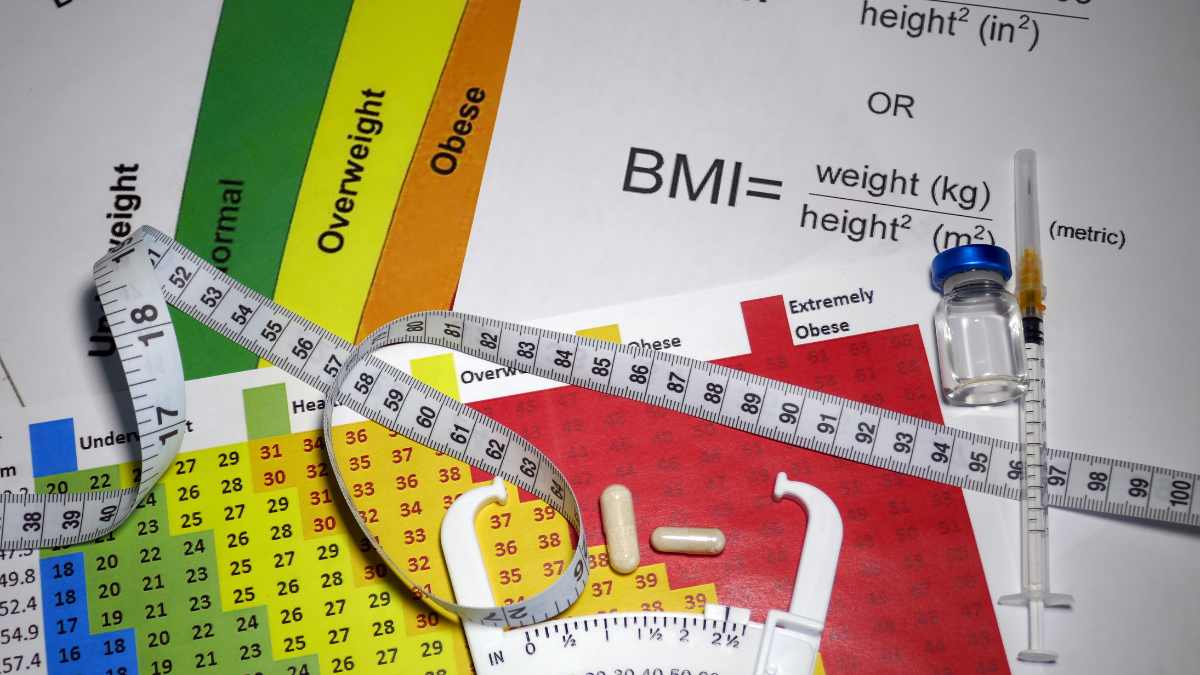
Body Mass Index (BMI) is a widely used tool for categorizing individuals based on their weight relative to their height. The formula for calculating BMI is straightforward: weight in kilograms divided by height in meters squared. While BMI provides a quick reference for assessing weight status, it does not differentiate between muscle and fat mass. This limitation can lead to misleading interpretations of health, particularly for individuals with a higher muscle mass.
The BMI categories range from underweight to obese, with a healthy range typically defined as 18.5 to 24.9. However, this classification does not account for variations in body composition, such as the ratio of fat to lean mass. Consequently, an individual with a high muscle mass may fall within the healthy BMI range but still appear "fat" due to a higher percentage of body fat.
Moreover, BMI does not consider factors such as age, sex, and ethnicity, which can influence body composition and fat distribution. As a result, it is crucial to recognize that while BMI can serve as a useful screening tool, it is not a definitive measure of health or fitness. Understanding its limitations is essential for a more comprehensive assessment of one’s health status.
In summary, while BMI provides a convenient metric for categorizing weight, it lacks the nuance necessary for a complete understanding of body composition and health. This limitation can lead to misconceptions, particularly for those who maintain a healthy BMI but feel dissatisfied with their physical appearance.
The Role of Body Composition in Assessing Health
Body composition refers to the proportion of fat and non-fat mass in the body. It is a more accurate indicator of health than BMI alone, as it provides insights into the distribution of muscle, fat, and bone. Techniques such as dual-energy X-ray absorptiometry (DEXA) and bioelectrical impedance analysis (BIA) are commonly used to assess body composition. These methods allow for a more nuanced understanding of an individual’s health status.
A higher percentage of body fat, particularly visceral fat, can pose significant health risks, including cardiovascular disease and diabetes. Conversely, a higher muscle mass is generally associated with better metabolic health and physical performance. Therefore, individuals who have a healthy BMI but a higher body fat percentage may still be at risk for health issues, despite appearing healthy according to the BMI scale.
Furthermore, body composition can change with age, hormonal fluctuations, and lifestyle factors. For instance, as individuals age, they may experience a natural decline in muscle mass, known as sarcopenia, which can affect their body composition and overall health. This underscores the importance of regular assessments of body composition, rather than relying solely on BMI.
In conclusion, understanding body composition is vital for a comprehensive assessment of health. It provides a clearer picture of an individual’s fitness level and potential health risks, highlighting the limitations of BMI as a standalone metric.
Fat Distribution Patterns: Why They Matter for Appearance
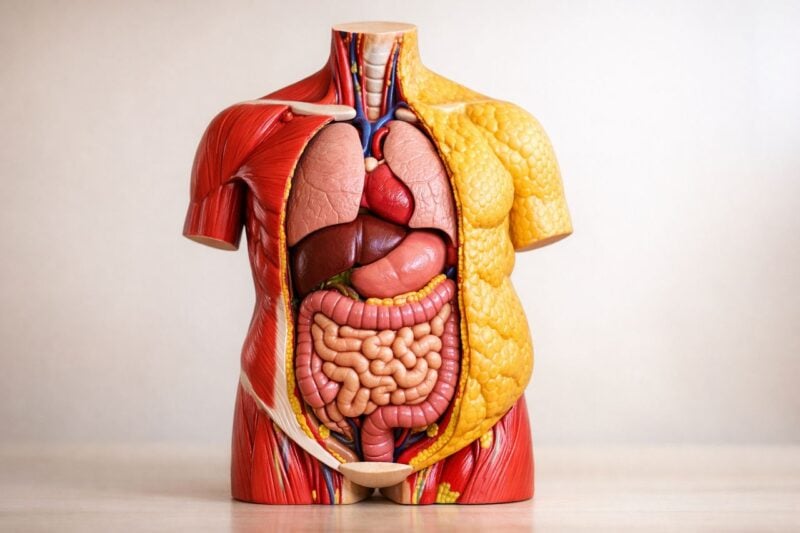
Fat distribution patterns play a significant role in how individuals perceive their bodies. There are two primary types of fat distribution: apple-shaped (central obesity) and pear-shaped (gynoid obesity). Apple-shaped individuals tend to carry more weight around their abdomen, while pear-shaped individuals store fat in their hips and thighs. These patterns can influence not only health risks but also how one perceives their body image.
Research indicates that central obesity is associated with a higher risk of metabolic syndrome and cardiovascular diseases. However, individuals with a healthy BMI may still exhibit central obesity, leading to a discrepancy between their perceived and actual health status. This can create a feeling of being "fat" despite having a BMI in the healthy range.
Moreover, societal standards of beauty often emphasize slimness and specific body shapes, which can further distort body image perceptions. Individuals might feel pressure to conform to these ideals, leading to dissatisfaction with their appearance, even when their health metrics indicate otherwise. This disconnect can be particularly pronounced in cultures that prioritize thinness as a standard of beauty.
In summary, fat distribution patterns significantly impact how individuals perceive their bodies. Understanding these patterns can help individuals reconcile their BMI with their body image, promoting a healthier self-perception and reducing the stigma associated with certain body shapes.
Muscle Mass vs. Fat Mass: Implications for BMI Readings
Muscle mass and fat mass have distinct implications for health and physical appearance. Muscle is denser than fat, meaning that individuals with higher muscle mass may weigh more without having a higher body fat percentage. This can lead to situations where someone has a healthy BMI but still appears "fat" due to their body composition.
Athletes and individuals who engage in regular strength training often fall into this category. They may have a BMI that categorizes them as overweight or even obese, despite having low body fat percentages. This highlights the importance of considering muscle mass when interpreting BMI readings.
Additionally, the relationship between muscle and fat mass can influence metabolic rates. Muscle tissue burns more calories at rest compared to fat tissue, meaning that individuals with higher muscle mass may have a more efficient metabolism. This can contribute to overall health and well-being, even if their BMI does not reflect it.
In conclusion, the distinction between muscle mass and fat mass is crucial for understanding BMI readings. Recognizing that a healthy BMI does not necessarily equate to an ideal body composition can help individuals focus on overall health rather than solely on weight.
Psychological Factors Influencing Body Image Perception
Psychological factors play a significant role in how individuals perceive their bodies. Body image is a complex interplay of self-esteem, societal influences, and personal experiences. Individuals with a healthy BMI may still struggle with negative body image due to societal pressures and unrealistic beauty standards.
The media often perpetuates narrow definitions of beauty, leading individuals to compare themselves to idealized images. This can result in feelings of inadequacy, even among those who are technically within a healthy weight range. The discrepancy between one’s self-perception and societal standards can lead to body dissatisfaction and unhealthy behaviors.
Additionally, psychological conditions such as body dysmorphic disorder can exacerbate these feelings. Individuals with this disorder may obsess over perceived flaws in their appearance, leading to significant distress and impairment in daily functioning. This underscores the importance of addressing mental health alongside physical health.
In summary, psychological factors significantly influence body image perception. Understanding these influences can help individuals cultivate a healthier self-image, regardless of their BMI or body composition.
Strategies for Achieving a Balanced and Healthy Physique
Achieving a balanced and healthy physique involves a multifaceted approach that goes beyond merely focusing on BMI. First and foremost, individuals should prioritize regular physical activity, incorporating both cardiovascular and strength training exercises. This not only helps improve body composition but also enhances overall health and well-being.
Nutrition plays a crucial role in achieving a balanced physique. A diet rich in whole foods, including fruits, vegetables, lean proteins, and healthy fats, can support muscle growth and fat loss. It is essential to focus on nutrient-dense foods rather than solely on calorie restriction, as this can lead to more sustainable health outcomes.
Mindfulness practices, such as yoga and meditation, can also contribute to a healthier body image. These practices promote self-acceptance and help individuals cultivate a positive relationship with their bodies. Engaging in activities that foster self-love can mitigate the negative effects of societal pressures on body image.
Lastly, seeking professional guidance from healthcare providers, nutritionists, or personal trainers can provide personalized strategies for achieving a balanced physique. Tailoring an approach to individual needs can enhance motivation and success in achieving health goals.
In conclusion, achieving a balanced and healthy physique requires a holistic approach that encompasses physical activity, nutrition, mindfulness, and professional support. By focusing on overall health rather than solely on BMI, individuals can foster a more positive body image and improve their well-being.
Conclusions:
Navigating the complexities of body image in relation to BMI can be challenging. While BMI serves as a useful screening tool, it is essential to consider factors such as body composition, fat distribution, and psychological influences. By understanding these elements, individuals can cultivate a healthier self-image and focus on achieving a balanced physique. Ultimately, prioritizing overall health and well-being is key to fostering a positive relationship with one’s body.
Read more
- Centers for Disease Control and Prevention (CDC) – About BMI: This page provides a comprehensive overview of BMI, including its calculation and limitations.
- National Institutes of Health (NIH) – Body Composition: This resource discusses the importance of body composition and its implications for health.
- American Council on Exercise (ACE) – Understanding Body Fat: This article explains the significance of body fat percentage in assessing health.
- Psychology Today – Body Image: This resource explores the psychological aspects of body image and its impact on mental health.
- Harvard Health Publishing – The Importance of Muscle Mass: This article discusses the role of muscle mass in overall health and metabolism.