

Introduction:
Body Mass Index (BMI) is a widely used metric for assessing body weight relative to height. However, many individuals, particularly those who consider themselves "skinny," may find themselves perplexed by a high BMI reading. This article delves into the intricacies of BMI, exploring factors that contribute to elevated values despite a slender appearance. By examining muscle mass, fat distribution, and the limitations of BMI, we aim to provide a comprehensive understanding of this seemingly contradictory phenomenon.
Understanding Body Mass Index: A Technical Overview
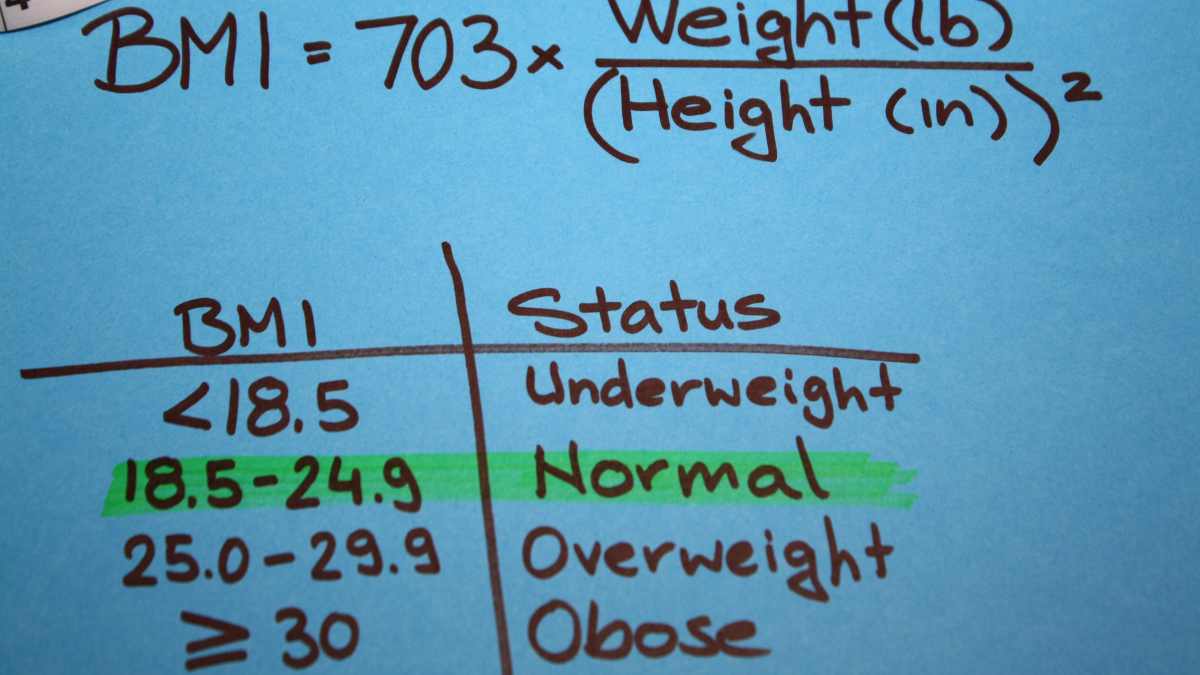
BMI is calculated using a straightforward formula: weight in kilograms divided by the square of height in meters (kg/m²). This simple calculation categorizes individuals into various weight classifications, including underweight, normal weight, overweight, and obese. While it serves as a useful screening tool for assessing population-level health trends, it does not account for individual variations in body composition. This oversimplification can lead to misleading conclusions about an individual’s health.
The BMI scale is designed to correlate with body fatness, but it does not differentiate between fat and lean mass. Consequently, a person with a high proportion of muscle may be classified as overweight or obese, despite appearing slim. This discrepancy arises because muscle is denser than fat, meaning that individuals with a higher muscle mass can weigh more without having an excess of body fat. Thus, BMI fails to provide a nuanced view of one’s body composition.
Moreover, the BMI categories were established based on population averages, which may not reflect the unique physiological characteristics of every individual. For instance, athletes or those engaged in strength training often possess a higher muscle mass, skewing their BMI results. This highlights the importance of understanding the limitations of BMI as a standalone metric.
In summary, while BMI is a useful tool for assessing general weight status, it is essential to recognize its limitations in accurately reflecting body composition. A high BMI in a seemingly skinny individual can often be attributed to muscle mass rather than excess fat, warranting a deeper exploration into body composition metrics.
The Role of Muscle Mass in BMI Calculations Explained
Muscle mass plays a pivotal role in determining BMI, as it contributes significantly to overall body weight. Unlike fat, which occupies more volume at a lower weight, muscle is denser and therefore weighs more for the same volume. This means that individuals who engage in regular exercise, particularly resistance training, may develop a muscular physique that results in a higher BMI. Consequently, a person may appear lean but still have a BMI that categorizes them as overweight or even obese.
Athletes, in particular, often exemplify this phenomenon. Their rigorous training regimens lead to increased muscle mass, which can elevate their weight without a corresponding increase in body fat percentage. As a result, their BMI may not accurately reflect their health status or fitness level. For instance, a professional bodybuilder may have a BMI well above the normal range yet maintain a low body fat percentage and exceptional physical fitness.
Furthermore, the relationship between muscle mass and metabolism cannot be overlooked. Muscle tissue is metabolically active, meaning that it burns more calories at rest compared to fat tissue. Individuals with higher muscle mass may therefore have a faster metabolism, which can help in maintaining a healthy weight despite a higher BMI. This underscores the importance of considering muscle mass when interpreting BMI results.
In conclusion, muscle mass significantly influences BMI calculations, leading to potential misclassifications of individuals who may appear skinny yet possess a high BMI. Understanding this relationship is crucial for accurately assessing health and fitness levels.
Fat Distribution Patterns and Their Impact on BMI
Beyond muscle mass, fat distribution plays a critical role in determining BMI outcomes. Individuals can have similar BMI values but vastly different body compositions based on how fat is distributed throughout their bodies. For instance, some may accumulate fat around their abdomen, while others may store it in their hips and thighs. This difference in fat distribution can have significant implications for health risks.
Visceral fat, which is stored around internal organs, is particularly concerning as it is associated with a higher risk of metabolic diseases, including diabetes and cardiovascular conditions. Even individuals who appear slim can have high levels of visceral fat, leading to a high BMI. This phenomenon highlights the importance of not relying solely on BMI as an indicator of health, as it does not provide insights into the location of body fat.
Moreover, genetics and hormonal factors can influence fat distribution patterns, further complicating the relationship between BMI and health. For example, some individuals may have a genetic predisposition to store fat in certain areas, affecting their overall BMI. This variability underscores the need for a more comprehensive approach to assessing body composition.
In summary, fat distribution patterns significantly impact BMI readings and health outcomes. Individuals who may appear slim can still possess high levels of visceral fat, resulting in a misleadingly high BMI. Understanding these dynamics is essential for accurately assessing health risks.
Limitations of BMI: Why It Doesn’t Tell the Whole Story
While BMI is a convenient tool for assessing weight status, it has several limitations that must be acknowledged. One of the primary drawbacks is its inability to differentiate between fat mass and lean mass. As previously discussed, individuals with high muscle mass may be misclassified as overweight or obese, despite having low body fat. This limitation can lead to unnecessary stress and confusion regarding one’s health.
Additionally, BMI does not consider factors such as age, sex, and ethnicity, all of which can influence body composition. For instance, older adults tend to lose muscle mass over time, which can affect their BMI even if their body fat percentage remains stable. Similarly, women typically have a higher percentage of body fat compared to men, which can skew BMI interpretations.
Another significant limitation of BMI is its inability to account for lifestyle factors that contribute to overall health. For example, two individuals with the same BMI may have vastly different levels of physical fitness, diet, and overall well-being. This lack of context can lead to misguided health assessments and interventions.
In conclusion, while BMI serves as a useful screening tool, its limitations must be recognized. It fails to provide a comprehensive view of body composition and health, necessitating the use of additional metrics for a more accurate assessment.
Alternative Metrics for Assessing Body Composition
Given the limitations of BMI, several alternative metrics can provide a more nuanced understanding of body composition. One such metric is body fat percentage, which measures the proportion of fat in relation to total body weight. This measurement can be obtained through various methods, including skinfold calipers, bioelectrical impedance analysis, and dual-energy X-ray absorptiometry (DEXA). Understanding body fat percentage can offer valuable insights into overall health and fitness levels.
Waist circumference is another useful measure, particularly in assessing abdominal fat. Research has shown that waist circumference is a strong predictor of health risks associated with obesity, such as cardiovascular disease and diabetes. Monitoring waist circumference can provide a clearer picture of fat distribution and its implications for health, especially for individuals with a higher BMI.
Additionally, waist-to-hip ratio (WHR) is a valuable metric that compares the circumference of the waist to that of the hips. A higher WHR indicates a greater risk of health issues related to visceral fat. This measurement can be particularly informative for individuals with a high BMI who may be at risk for obesity-related conditions.
In summary, alternative metrics such as body fat percentage, waist circumference, and waist-to-hip ratio can provide a more comprehensive understanding of body composition and health. These measurements can complement BMI and offer a clearer picture of an individual’s health status.
Addressing Misconceptions About BMI and Health Status
Misconceptions surrounding BMI often lead to confusion and anxiety regarding health status. One common misunderstanding is that a high BMI automatically equates to poor health. While a high BMI can be associated with increased health risks, it is not a definitive indicator of one’s overall health. Individuals with a high BMI may still be physically active and maintain a healthy lifestyle, while others with a normal BMI may have underlying health issues.
Another misconception is that all individuals with a low BMI are healthy. In reality, low BMI can also indicate malnutrition or underlying health problems. It is essential to recognize that health is multifaceted and cannot be accurately assessed through BMI alone. Factors such as diet, physical activity, and mental well-being play crucial roles in determining overall health.
Moreover, societal pressures and stigmas associated with BMI can lead to negative body image and mental health issues. Individuals may feel compelled to conform to societal standards of beauty, leading to unhealthy behaviors and attitudes toward food and exercise. It is vital to promote a more holistic view of health that encompasses physical, mental, and emotional well-being.
In conclusion, addressing misconceptions about BMI is crucial for fostering a healthier understanding of body composition and health status. A high or low BMI does not inherently define an individual’s health, and a more comprehensive approach is necessary for accurate assessments.
Conclusions:
Understanding why BMI may be high for individuals who consider themselves skinny requires a deeper exploration of body composition, muscle mass, fat distribution, and the limitations of BMI as a metric. Alternative assessments, such as body fat percentage and waist circumference, can provide more accurate insights into health status. By addressing misconceptions surrounding BMI, we can foster a more holistic understanding of health that transcends simplistic categorizations.
Read more:
- CDC: About Adult BMI – A comprehensive overview of BMI and its implications.
- Mayo Clinic: Body Fat Percentage – An explanation of body fat percentage and its significance in health assessment.
- Harvard Health: The Limitations of BMI – An article discussing the limitations of BMI as a health metric.
- NIH: Waist Circumference and Health – Research on the importance of waist circumference in assessing health risks.
- American Council on Exercise: Body Composition – Insights into body composition and its relevance to fitness and health.