

Introduction:
Understanding caloric intake is crucial for maintaining overall health and well-being. While many individuals focus on weight loss or gain, the fundamental aspect of caloric consumption often gets overlooked. Consuming too few calories can lead to a myriad of health issues, making it essential to comprehend what constitutes an adequate caloric intake. This article delves into the science behind caloric needs, the role of basal metabolic rate, symptoms of inadequate consumption, associated health risks, recommended guidelines, and strategies for achieving a balanced caloric intake.
Understanding Caloric Needs: A Scientific Overview
Caloric needs vary significantly among individuals based on factors such as age, sex, weight, height, and activity level. The caloric requirement is essentially the number of calories an individual needs to maintain their current weight. This requirement is determined through various equations, such as the Mifflin-St Jeor equation, which calculates the Basal Metabolic Rate (BMR) and adjusts it according to activity levels. Understanding these calculations is vital for anyone looking to manage their weight effectively.
In addition to individual factors, environmental influences play a role in caloric needs. For instance, those living in colder climates may require more energy to maintain body temperature, while athletes may need significantly higher caloric intake to support their training regimens. Therefore, a one-size-fits-all approach to caloric consumption is ineffective and can lead to either underconsumption or overconsumption.
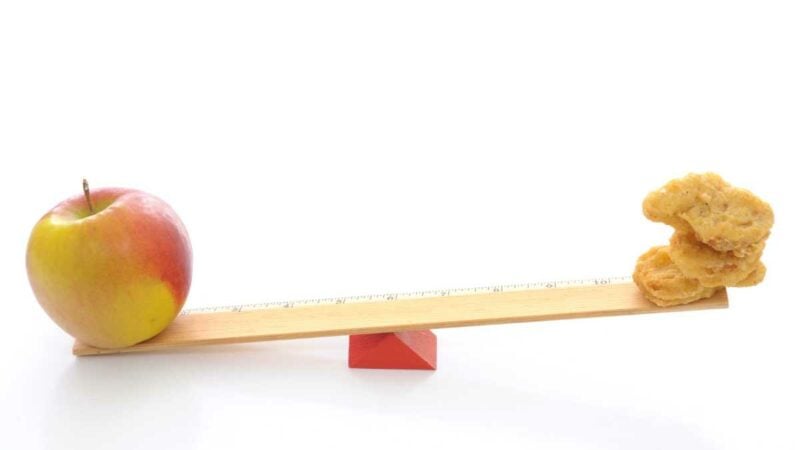
Moreover, the concept of energy balance is central to understanding caloric needs. Energy balance refers to the relationship between calories consumed through food and beverages and calories expended through physical activity and metabolic processes. A negative energy balance leads to weight loss, while a positive balance results in weight gain. Striking a balance is essential for maintaining a healthy weight and overall health.
Lastly, the importance of macronutrients—carbohydrates, proteins, and fats—cannot be understated. Each macronutrient provides a different amount of energy per gram, and their proportions in the diet can affect overall caloric needs. Understanding how to balance these macronutrients is crucial for achieving optimal health and preventing deficiencies.
The Role of Basal Metabolic Rate in Caloric Intake
The Basal Metabolic Rate (BMR) represents the number of calories the body requires at rest to maintain vital functions, such as breathing, circulation, and cell production. BMR accounts for a significant portion of daily caloric expenditure, often ranging from 60% to 75% of total energy expenditure. Factors influencing BMR include age, muscle mass, and hormonal levels. As individuals age, BMR typically decreases, necessitating adjustments in caloric intake.
To accurately assess caloric needs, it is essential to calculate BMR first. Various online calculators and formulas, such as the Harris-Benedict equation, can provide estimates. However, it’s important to remember that these calculations are approximations and individual needs may vary. Regular monitoring of weight and body composition can help fine-tune caloric intake.
In addition to BMR, the Total Daily Energy Expenditure (TDEE) must be considered. TDEE includes BMR plus calories burned through physical activity and the thermic effect of food (the energy used to digest and metabolize food). Understanding TDEE is crucial for determining how many calories one should consume to maintain, lose, or gain weight.
Lastly, maintaining a healthy BMR is vital for overall health. Factors such as regular exercise, adequate protein intake, and proper hydration can help support a healthy metabolic rate, ensuring that the body functions efficiently and effectively.
Identifying Symptoms of Inadequate Caloric Consumption
Inadequate caloric consumption can manifest through various physical and psychological symptoms. One of the most common indicators is unexplained weight loss. When the body does not receive enough energy, it begins to utilize stored fat and muscle for fuel, leading to a decrease in body weight. This can be particularly concerning if the weight loss is rapid or significant.
Another symptom is fatigue and lethargy. Insufficient caloric intake can result in low energy levels, making it challenging to perform daily activities or engage in physical exercise. Individuals may feel tired, sluggish, or unable to concentrate, which can negatively impact productivity and overall quality of life.
Additionally, individuals may experience hormonal imbalances due to low caloric intake. Hormones such as leptin and ghrelin, which regulate hunger and satiety, can become disrupted, leading to increased cravings and potential binge eating. In women, low caloric consumption can also lead to irregular menstrual cycles or amenorrhea (absence of menstruation).
Finally, psychological symptoms such as anxiety and depression can arise from inadequate caloric intake. The brain requires energy to function optimally, and insufficient calories can lead to mood swings, irritability, and cognitive decline. Recognizing these symptoms is crucial for addressing potential caloric deficiencies and seeking appropriate interventions.
Health Risks Associated with Extremely Low Calorie Diets
Extremely low-calorie diets (VLCDs) can pose significant health risks if not carefully monitored. One of the most critical concerns is nutritional deficiencies. When caloric intake drops drastically, essential vitamins and minerals may be lacking, leading to conditions such as anemia, weakened immune function, and bone density loss. Long-term deficiencies can have lasting effects on health.
Another significant risk is muscle loss. The body requires a certain amount of protein to maintain muscle mass. When caloric intake is too low, the body may begin to break down muscle tissue for energy, resulting in decreased strength and physical performance. This can be particularly detrimental for athletes or individuals engaging in regular physical activity.
Furthermore, extremely low-calorie diets can lead to metabolic slowdown. When the body perceives a significant caloric deficit, it may enter a state of starvation, slowing down metabolism to conserve energy. This can make weight loss more challenging in the long run, as the body becomes more efficient at using fewer calories.
Lastly, individuals on extremely low-calorie diets may experience psychological effects such as increased preoccupation with food, binge eating, or disordered eating patterns. The restrictive nature of these diets can lead to an unhealthy relationship with food, making it essential to approach caloric restriction with caution and professional guidance.
Recommended Caloric Intake: Guidelines and Considerations
The recommended caloric intake varies based on factors such as age, sex, activity level, and overall health. Generally, the Dietary Guidelines for Americans suggest that adult women require about 1,800 to 2,400 calories per day, while adult men need approximately 2,200 to 3,000 calories. These recommendations serve as a starting point, but individual needs may differ.
To determine personal caloric needs, individuals can use tools such as the Mifflin-St Jeor equation or consult with a registered dietitian. It’s important to consider not only caloric intake but also the quality of calories consumed. Focusing on nutrient-dense foods, such as fruits, vegetables, whole grains, lean proteins, and healthy fats, can help ensure that individuals meet their caloric needs while also obtaining essential nutrients.
Additionally, it is essential to consider lifestyle factors when determining caloric intake. Individuals with higher activity levels, such as athletes or those with physically demanding jobs, may require more calories to sustain their energy levels. Conversely, those with sedentary lifestyles may need fewer calories to maintain their weight.
Lastly, periodic reassessment of caloric needs is crucial. As individuals age or their activity levels change, their caloric requirements may also shift. Regularly monitoring weight, body composition, and overall health can help individuals adjust their caloric intake as needed.
Strategies for Achieving a Balanced Caloric Intake
Achieving a balanced caloric intake begins with mindful eating. This practice involves paying attention to hunger and fullness cues, as well as the nutritional quality of foods consumed. By being more aware of what and how much is eaten, individuals can make informed choices that align with their caloric needs.
Incorporating a variety of nutrient-dense foods into the diet is another effective strategy. Foods rich in vitamins, minerals, and other essential nutrients can help individuals meet their caloric needs without excessive intake of empty calories. This includes whole grains, lean proteins, fruits, vegetables, and healthy fats.
Meal planning can also play a significant role in achieving balanced caloric intake. By preparing meals in advance, individuals can ensure they have access to nutritious options and avoid the temptation of convenience foods that may be high in calories but low in nutrients. This proactive approach can help individuals stay on track with their caloric goals.
Lastly, seeking professional guidance from a registered dietitian or nutritionist can provide personalized recommendations and support. These professionals can help individuals assess their caloric needs, develop meal plans, and address any underlying issues related to caloric intake.
Conclusions:
Understanding caloric needs is essential for maintaining health and preventing the risks associated with inadequate caloric consumption. By recognizing the factors that influence caloric intake, identifying symptoms of deficiency, and implementing strategies for a balanced diet, individuals can make informed choices that support their overall well-being. It is crucial to approach caloric intake with a focus on quality and sustainability, ensuring that the body receives the necessary energy and nutrients for optimal functioning.
Read more
- Mayo Clinic: Caloric Needs – Insightful article explaining how to determine personal caloric needs.
- National Institutes of Health: Obesity and Caloric Intake – Information on the relationship between caloric intake and obesity.
- Harvard Health: The Importance of Caloric Intake – A detailed overview of caloric needs and considerations for different demographics.
- American Heart Association: Nutrition Basics – Guidelines on nutrition and maintaining a balanced diet for heart health.