

Introduction:
Understanding how many calories to burn each day is crucial for anyone looking to shed excess weight. The concept of weight loss revolves around creating a caloric deficit, which occurs when you burn more calories than you consume. This article will explore the intricacies of caloric deficit, how to calculate your basal metabolic rate (BMR), factors that influence daily caloric needs, and strategies to effectively increase caloric expenditure. By understanding these components, you can set realistic and achievable weight loss goals.
Understanding Caloric Deficit for Effective Weight Loss
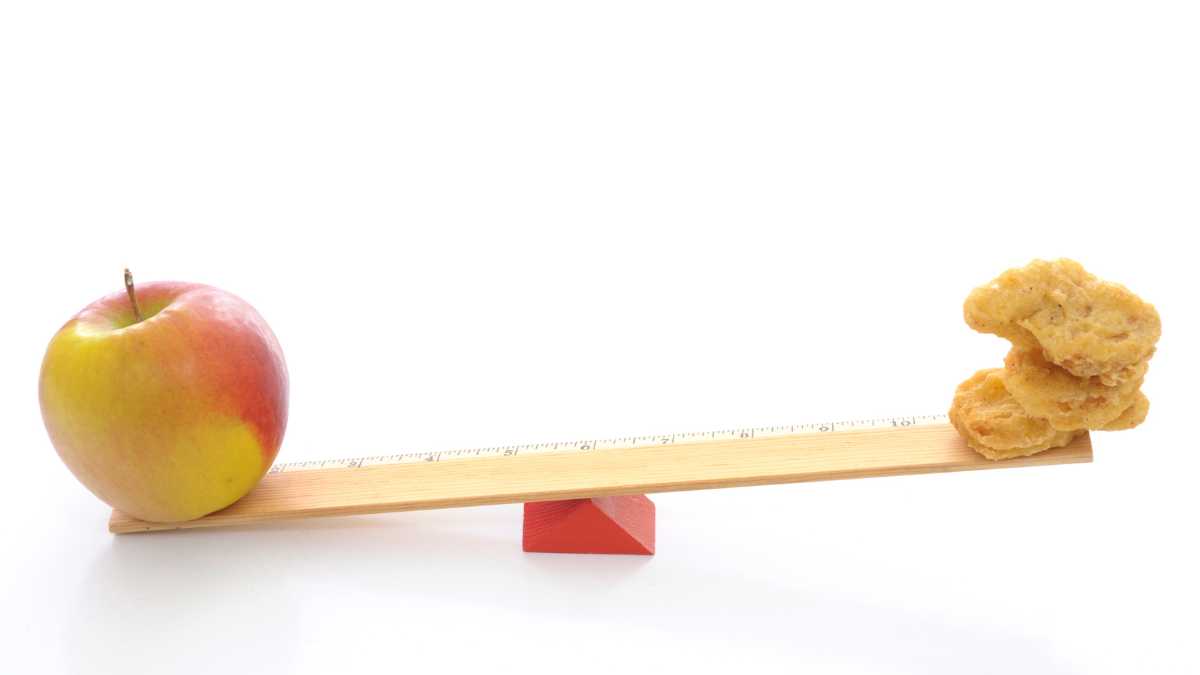
A caloric deficit is the cornerstone of weight loss. When your body burns more calories than it takes in, it taps into stored energy, primarily fat, to meet its energy demands. This process results in weight loss over time. To achieve a sustainable caloric deficit, it is essential to understand that it should be gradual; a deficit of 500 to 1000 calories per day typically leads to a safe weight loss of about 1 to 2 pounds per week.
However, it is important to note that not all caloric deficits are created equal. A deficit that is too aggressive can lead to muscle loss, nutritional deficiencies, and metabolic slowdown. Therefore, a well-balanced approach that includes both dietary changes and increased physical activity is recommended. Additionally, the quality of calories consumed matters; focusing on nutrient-dense foods can enhance overall health and satiety, making it easier to maintain a caloric deficit.
Understanding your body’s energy expenditure is vital for determining how much of a deficit you can safely create. This involves calculating your total daily energy expenditure (TDEE), which includes your BMR and the calories burned through physical activity. By knowing your TDEE, you can set a caloric intake that allows for a healthy and effective weight loss journey.
Lastly, it is essential to remember that individual results may vary. Factors such as age, gender, genetics, and overall health can influence how quickly one loses weight. Therefore, a personalized approach to creating a caloric deficit is crucial for long-term success.
Calculating Your Basal Metabolic Rate (BMR) Accurately
Your basal metabolic rate (BMR) represents the number of calories your body requires to maintain basic physiological functions at rest, such as breathing, circulation, and cell production. To calculate your BMR accurately, you can use several formulas, with the Mifflin-St Jeor equation being one of the most commonly used. This equation takes into account your age, gender, weight, and height to provide a reliable estimate of your BMR.
For men, the formula is:
[ BMR = 10 times text{weight (kg)} + 6.25 times text{height (cm)} – 5 times text{age (years)} + 5 ]
For women, the formula is:
[ BMR = 10 times text{weight (kg)} + 6.25 times text{height (cm)} – 5 times text{age (years)} – 161 ]
Once you have calculated your BMR, you can use it to determine your TDEE by multiplying your BMR by an activity factor that reflects your lifestyle, ranging from sedentary to very active. This calculation gives you a clearer picture of how many calories you need to maintain your current weight and helps you set a caloric intake for weight loss.
It is also advisable to periodically recalculate your BMR and TDEE as you lose weight, as these numbers will change. As you lose weight, your BMR typically decreases, which means you may need to adjust your caloric intake to continue losing weight effectively.
Understanding BMR is essential not only for weight loss but also for maintaining a healthy metabolism. By ensuring you consume enough calories to meet your BMR, you can support your body’s essential functions while still creating a caloric deficit for weight loss.
Daily Caloric Needs: Factors Influencing Your Total Intake
Several factors influence your daily caloric needs, making it essential to consider them when planning your weight loss strategy. Age is one of the most significant factors; as you age, your metabolic rate tends to decrease, leading to lower caloric needs. This means that older adults may require fewer calories than younger individuals to maintain or lose weight.
Gender also plays a critical role in determining caloric needs. Generally, men have a higher BMR due to a greater proportion of muscle mass compared to women. Muscle tissue burns more calories at rest than fat tissue, leading to higher caloric requirements for men. Therefore, understanding gender-specific differences in metabolism can help tailor dietary and exercise plans effectively.
Activity level is another crucial factor. Individuals who lead active lifestyles require more calories to support their energy expenditure compared to those who are sedentary. Incorporating regular physical activity not only helps increase caloric burn but also enhances overall health and well-being. Different types of exercise, including cardiovascular activities and strength training, can further influence caloric needs.
Lastly, body composition is an important consideration. Individuals with a higher muscle mass will have a higher BMR, while those with a higher fat percentage may have a lower BMR. This means that two individuals of the same weight may have different caloric needs based on their body composition. Understanding these factors can help you create a more personalized and effective weight loss plan.
Determining the Ideal Caloric Burn for Weight Loss Goals
To establish an ideal caloric burn for your weight loss goals, you first need to determine your TDEE and then decide on a safe caloric deficit. A common approach is to aim for a deficit of 500 to 1000 calories per day, which can lead to a weight loss of approximately 1 to 2 pounds per week. However, it is essential to ensure that your caloric intake does not drop below the minimum threshold necessary for your BMR.
For example, if your TDEE is 2500 calories, a daily intake of 2000 calories would create a 500-calorie deficit. If you engage in regular physical activity, you can further increase your caloric burn, allowing for a more flexible dietary intake. Incorporating both aerobic exercises and strength training can maximize caloric expenditure while preserving muscle mass.
It is also important to set realistic and achievable weight loss goals. Rapid weight loss can lead to muscle loss and nutritional deficiencies, making it unsustainable in the long run. Instead, focus on gradual changes that can be maintained over time. This approach not only leads to more sustainable weight loss but also fosters healthier lifestyle habits.
Lastly, consider consulting a healthcare professional or a registered dietitian to help you determine the most suitable caloric burn for your specific weight loss goals. They can provide personalized recommendations based on your individual circumstances, ensuring that your weight loss journey is both effective and safe.
Strategies to Increase Daily Caloric Expenditure Safely
Increasing your daily caloric expenditure can be achieved through various strategies that promote physical activity and enhance metabolism. One effective method is to incorporate more movement into your daily routine. Simple changes, such as taking the stairs instead of the elevator, walking or biking instead of driving, and standing while working, can significantly increase your daily caloric burn without requiring a formal exercise regimen.
Engaging in regular aerobic exercise is another excellent way to boost caloric expenditure. Activities such as running, swimming, cycling, or dancing can elevate your heart rate and help you burn calories. Aim for at least 150 minutes of moderate-intensity aerobic activity per week, as recommended by health authorities. This not only aids in weight loss but also improves cardiovascular health and overall fitness.
Incorporating strength training into your fitness routine is equally important. Building muscle mass increases your BMR, allowing you to burn more calories at rest. Aim for at least two strength training sessions per week, targeting all major muscle groups. This approach not only enhances your metabolism but also improves body composition, making it easier to achieve and maintain weight loss.
Lastly, consider incorporating high-intensity interval training (HIIT) into your exercise regimen. HIIT involves short bursts of intense exercise followed by periods of rest or lower-intensity activity. This method has been shown to burn more calories in a shorter amount of time compared to traditional steady-state cardio, making it an efficient option for those with busy schedules.
Monitoring Progress: Adjusting Caloric Goals Over Time
Monitoring your progress is essential to ensure that your weight loss journey remains on track. Regularly tracking your weight, body measurements, and overall fitness levels can provide valuable insights into your progress. If you find that weight loss has plateaued, it may be necessary to reassess your caloric intake and expenditure to identify any adjustments needed to continue making progress.
As you lose weight, your caloric needs may change. This is because a lower body weight typically results in a lower BMR. Therefore, it is important to periodically recalculate your BMR and TDEE as you progress. Adjusting your caloric goals accordingly will help maintain a healthy caloric deficit, ensuring that you continue to lose weight at a sustainable pace.
Additionally, consider keeping a food diary or using a mobile app to track your daily caloric intake and expenditure. This can help you identify patterns in your eating habits and physical activity levels, making it easier to make informed adjustments. Being aware of your caloric consumption can also help you stay accountable and motivated throughout your weight loss journey.
Lastly, remember that weight loss is not always linear. There may be periods of slower progress or plateaus, and this is completely normal. Stay patient and focus on the overall trend rather than day-to-day fluctuations. By remaining committed to your goals and adjusting your strategies as needed, you can achieve lasting weight loss success.
Conclusions:
Understanding how many calories to burn daily to lose weight involves a multifaceted approach that includes calculating your BMR, considering individual factors that influence caloric needs, and implementing effective strategies to increase caloric expenditure. By creating a caloric deficit through a combination of dietary changes and physical activity, you can achieve your weight loss goals safely and sustainably. Remember to monitor your progress and adjust your caloric intake as needed to continue on your path to success.
Read more
- Mayo Clinic – Healthy Weight: Losing Weight – A comprehensive guide on healthy weight loss strategies and tips.
- Centers for Disease Control and Prevention (CDC) – Losing Weight – Information on effective weight loss methods and maintaining a healthy lifestyle.
- Harvard Health Publishing – The Science of Weight Loss – An overview of the biological mechanisms behind weight loss and caloric expenditure.
- American Heart Association – Physical Activity and Weight Control – Insights into how physical activity contributes to weight management.
- National Institutes of Health (NIH) – Body Weight Planner – A tool to help you estimate your caloric needs and set weight loss goals.