

Se hai un abbonamento attivo ACCEDI QUI
Introduction:
Losing weight is a common goal for many individuals seeking to improve their health and well-being. While the journey can be challenging, understanding the underlying principles of weight loss can significantly enhance your chances of success. This article will explore various aspects of weight loss, including the science behind it, goal-setting, nutritional strategies, exercise, progress monitoring, and overcoming challenges. By following these guidelines, you can effectively work towards shedding those extra pounds in a healthy and sustainable manner.
Understanding the Science Behind Weight Loss Mechanics
To effectively lose weight, it is crucial to understand the fundamental mechanics of weight loss. At its core, weight loss occurs when you burn more calories than you consume, creating a caloric deficit. This deficit forces the body to utilize stored fat for energy, leading to weight reduction. The average caloric deficit required to lose one pound of fat is approximately 3,500 calories. Therefore, to lose 10 pounds, you would need to create a total deficit of about 35,000 calories over the course of a month.
Metabolism plays a significant role in this process. It encompasses all the biochemical processes that convert food into energy. Factors such as age, gender, muscle mass, and activity level can influence your metabolic rate. For instance, individuals with more muscle mass typically have higher metabolic rates, allowing them to burn more calories at rest. Additionally, understanding how different macronutrients—carbohydrates, proteins, and fats—affect your metabolism can help tailor your diet for optimal weight loss.
Another important aspect is the concept of energy balance. This refers to the relationship between calories consumed and calories expended. A positive energy balance (more calories in than out) leads to weight gain, while a negative balance results in weight loss. It is essential to strike a balance between reducing caloric intake and maintaining sufficient energy levels for daily activities and exercise.
Lastly, hormonal regulation also impacts weight loss. Hormones such as insulin, leptin, and ghrelin play vital roles in hunger regulation, fat storage, and energy expenditure. Understanding how these hormones function can help you make informed dietary choices that support your weight loss goals.
Setting Realistic Goals for Sustainable Weight Reduction
Setting realistic and achievable goals is crucial for sustaining motivation throughout your weight loss journey. Aiming to lose 10 pounds in a month is an ambitious yet attainable target for many individuals. However, it is essential to consider your starting point, lifestyle, and any underlying health conditions. Establishing a timeline that aligns with your personal circumstances can help maintain motivation and prevent feelings of frustration.
To create effective goals, consider using the SMART criteria—Specific, Measurable, Achievable, Relevant, and Time-bound. For example, instead of stating, "I want to lose weight," a SMART goal would be, "I will lose 10 pounds in four weeks by exercising five times a week and following a balanced diet." This approach provides clarity and direction, making it easier to track progress.
Additionally, breaking down your larger goal into smaller, manageable milestones can enhance your motivation. For instance, aim to lose 2.5 pounds each week. Celebrating these small victories can provide a sense of accomplishment and encourage you to stay committed to your overall goal.
Lastly, remember that weight loss is not linear. There may be weeks where you lose more or less than expected. Being adaptable and focusing on long-term progress rather than short-term fluctuations will help you maintain a positive mindset and increase your chances of success.
Nutritional Strategies for Effective Weight Loss Management
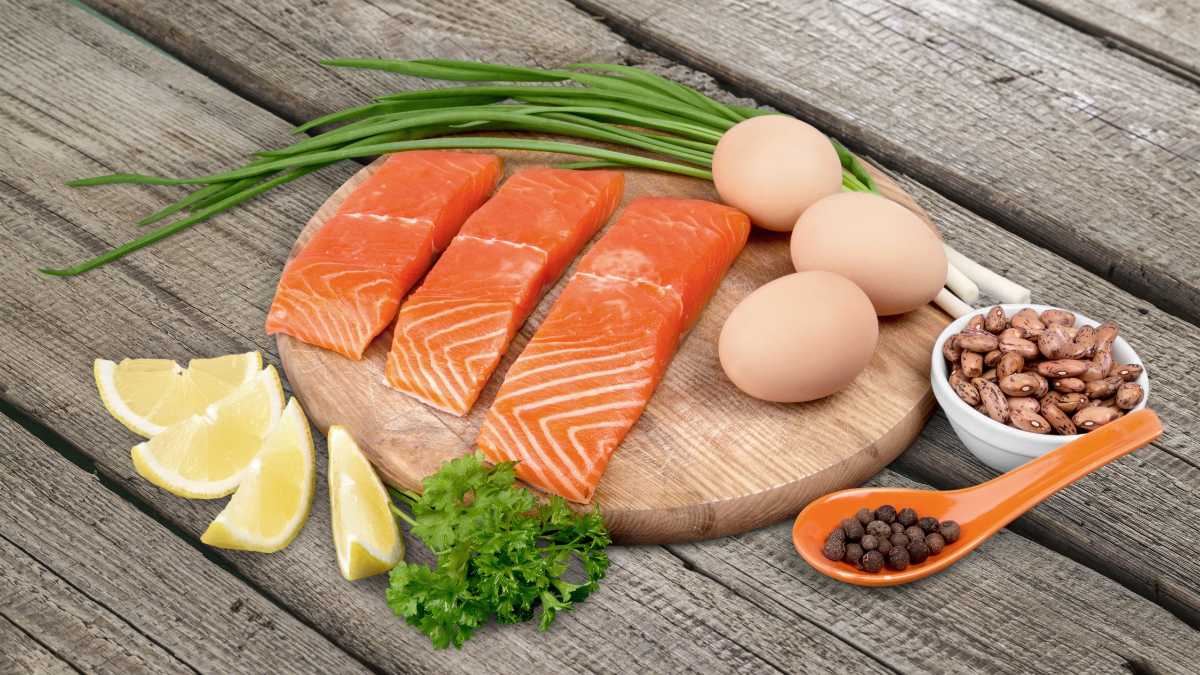
Nutrition plays a pivotal role in achieving weight loss objectives. To create a caloric deficit, it is essential to adopt a balanced and nutrient-dense diet. Focus on incorporating whole foods such as fruits, vegetables, lean proteins, whole grains, and healthy fats into your meals. These foods are generally lower in calories and higher in essential nutrients, promoting satiety and overall health.
Portion control is another critical aspect of effective weight management. Being mindful of serving sizes can help prevent overeating, even when consuming healthier foods. Utilizing tools such as measuring cups or a food scale can provide a clearer understanding of portion sizes and caloric content.
In addition to portion control, consider implementing strategies such as meal prepping and planning. Preparing meals in advance can help you avoid impulsive food choices and ensure you have healthy options readily available. This approach can also save time and reduce stress during busy weekdays.
Lastly, stay hydrated. Drinking water before meals can help curb appetite and reduce overall caloric intake. Additionally, opting for water or other low-calorie beverages instead of sugary drinks can significantly decrease your daily caloric consumption, aiding in weight loss efforts.
The Role of Exercise in Achieving Weight Loss Objectives
Incorporating regular physical activity into your routine is essential for achieving weight loss goals. Exercise not only helps burn calories but also promotes muscle development, which can enhance your metabolic rate. Engaging in both aerobic and strength training exercises can provide a well-rounded fitness regimen that supports weight loss and overall health.
Aerobic exercises, such as running, cycling, and swimming, are effective for burning calories and improving cardiovascular health. Aim for at least 150 minutes of moderate-intensity aerobic activity per week, as recommended by health guidelines. This can be broken down into manageable sessions throughout the week to fit your schedule.
Strength training is equally important, as it helps build lean muscle mass. Muscle tissue burns more calories at rest compared to fat tissue, making it a valuable component of weight loss. Incorporate strength training exercises at least two days a week, targeting all major muscle groups.
Finally, finding activities you enjoy can make exercise more sustainable. Whether it’s dancing, hiking, or playing a sport, engaging in enjoyable physical activities can help you stay motivated and committed to your fitness routine.
Monitoring Progress: Tools and Techniques for Success
Tracking your progress is crucial for staying accountable and motivated throughout your weight loss journey. Various tools and techniques can help you monitor your caloric intake, exercise, and overall progress. Food diaries or mobile apps can assist in logging meals and tracking calories consumed, making it easier to identify patterns and areas for improvement.
In addition to tracking food intake, consider keeping a fitness journal to record your exercise routines and progress. Documenting workouts can help you stay consistent and motivated, as you can visually see improvements over time. This practice can also help you identify which exercises yield the best results for your body.
Regular weigh-ins can provide insight into your progress, but it’s essential to approach them with a balanced mindset. Weigh yourself at the same time each week, preferably in the morning after using the restroom. Keep in mind that fluctuations in weight are normal and can be influenced by various factors, such as water retention and muscle gain.
Lastly, consider seeking support from friends, family, or online communities. Sharing your goals and progress with others can provide encouragement and accountability, making the weight loss journey more enjoyable.
Overcoming Common Challenges in Weight Loss Journeys
Embarking on a weight loss journey often comes with its share of challenges. One common hurdle is plateaus, where weight loss stalls despite continued efforts. This can be frustrating, but it is essential to remember that plateaus are a normal part of the process. To overcome this, consider reassessing your caloric intake and exercise routine. Making small adjustments, such as increasing workout intensity or changing meal compositions, can help break through the plateau.
Another challenge is managing cravings and emotional eating. Many individuals turn to food for comfort during stressful situations. Developing alternative coping strategies, such as engaging in physical activity, practicing mindfulness, or seeking social support, can help combat emotional eating and reduce reliance on food for comfort.
Time constraints can also pose a significant challenge. Busy schedules may make it difficult to prioritize exercise and meal preparation. To address this, consider incorporating shorter workouts into your routine or opting for quick, healthy meal options. Planning and scheduling workouts and meal prep sessions can also help ensure they remain a priority.
Lastly, be patient and kind to yourself throughout the journey. Weight loss is a gradual process, and setbacks are normal. Cultivating a positive mindset and focusing on progress rather than perfection can help you navigate challenges with resilience and determination.
Conclusions:
Losing weight requires a multifaceted approach that includes understanding the science behind weight loss, setting realistic goals, adopting effective nutritional strategies, incorporating exercise, monitoring progress, and overcoming challenges. By following these guidelines and maintaining a positive mindset, you can work towards achieving your weight loss objectives in a healthy and sustainable manner. Remember that the journey is unique for each individual, and focusing on overall well-being is just as important as the numbers on the scale.
Read more
-
Centers for Disease Control and Prevention (CDC) – Healthy Weight
A comprehensive resource on weight management, including tips for healthy eating and physical activity.
CDC Healthy Weight -
Mayo Clinic – Weight Loss: 6 Strategies for Success
Practical strategies for effective weight loss, including dietary and lifestyle changes.
Mayo Clinic Weight Loss Strategies -
Harvard Health Publishing – The Science of Weight Loss
An in-depth look at the science behind weight loss and metabolism.
Harvard Health – Science of Weight Loss -
American Heart Association – Healthy Eating for Weight Loss
Guidelines on healthy eating habits that support weight loss and heart health.
American Heart Association Healthy Eating -
National Institutes of Health – Managing Overweight and Obesity
Information on managing weight, including resources for setting goals and tracking progress.
NIH Managing Overweight and Obesity