

Introduction:
In the quest for effective weight loss, dietary strategies often come under scrutiny, particularly the role of macronutrients like protein. As individuals seek to shed excess pounds, questions arise regarding the optimal intake of protein. Specifically, the inquiry into whether consuming 100 grams of protein daily is excessive for weight loss is prevalent among dieters. This article aims to dissect the nuances of protein consumption in the context of weight management, examining its role, daily requirements, potential impacts on body composition, and the quality of protein sources.
Understanding Protein’s Role in Weight Loss Strategies
Protein plays a critical role in weight loss strategies due to its unique metabolic properties. It is well-established that protein has a higher thermic effect compared to fats and carbohydrates, meaning that the body expends more energy digesting and metabolizing protein. This thermogenic effect can contribute to an increased calorie burn, which is advantageous for those looking to lose weight. Moreover, protein is essential for preserving lean muscle mass during caloric deficits, a key factor in maintaining metabolic rate and overall body composition.
In addition to its thermogenic properties, protein enhances satiety, helping individuals feel fuller for longer periods. This can lead to reduced overall caloric intake, making it easier to adhere to weight loss diets. Studies have shown that higher protein diets can lead to a significant reduction in hunger and cravings, which are common challenges faced during weight loss efforts. Consequently, incorporating adequate protein can not only support weight loss but also improve dietary compliance.
Furthermore, protein is a fundamental component of various bodily functions, including hormone production and immune response. A well-balanced diet that includes sufficient protein can help ensure that the body operates efficiently, even during a caloric deficit. This is particularly important for dieters who may otherwise experience fatigue or decreased immunity due to inadequate nutrient intake.
Lastly, the timing and distribution of protein intake throughout the day can also influence weight loss outcomes. Spreading protein consumption evenly across meals can optimize muscle protein synthesis and may further enhance satiety. Therefore, understanding the multifaceted role of protein is crucial for anyone embarking on a weight loss journey.
Evaluating Daily Protein Needs for Weight Management
Determining the appropriate daily protein intake for weight management involves considering several factors, including age, sex, activity level, and overall health goals. The general recommendation for protein intake ranges from 1.2 to 2.2 grams per kilogram of body weight, depending on individual needs. For those engaged in regular physical activity or strength training, higher protein levels are often advocated to support muscle repair and growth.
For individuals aiming to lose weight, a protein intake of around 1.6 to 2.2 grams per kilogram may be beneficial. This range not only aids in muscle preservation but also promotes fat loss. Therefore, for a person weighing 70 kg, a protein intake of 112 to 154 grams would be appropriate. However, the specific needs can vary widely based on personal circumstances, making it essential to tailor protein consumption to individual requirements.
When evaluating whether 100 grams of protein is excessive, it is important to consider the individual’s total daily caloric intake and nutritional goals. For some, especially those with lower body weight or sedentary lifestyles, 100 grams may exceed their needs. Conversely, for active individuals or those with higher muscle mass, this amount might be insufficient to support their goals.
Ultimately, assessing daily protein needs should be a personalized process. Consulting with a registered dietitian or nutritionist can provide tailored recommendations that align with specific weight loss objectives and lifestyle factors. This individualized approach is crucial for optimizing dietary strategies and achieving sustainable weight loss.
Analyzing the Impact of 100g Protein on Body Composition
The impact of consuming 100 grams of protein on body composition is multifaceted and can vary based on individual factors. When incorporated into a calorie-controlled diet, 100 grams of protein can support muscle retention while promoting fat loss. This is particularly important for dieters who wish to maintain lean mass, as losing muscle can lead to a slower metabolism and hinder weight loss efforts.
Research indicates that higher protein diets can lead to favorable changes in body composition, including increased muscle mass and reduced body fat percentage. When combined with resistance training, adequate protein intake can enhance muscle hypertrophy, leading to a more toned appearance. Therefore, for individuals engaging in strength training, consuming 100 grams of protein may be beneficial for achieving desired body composition goals.
However, it is crucial to consider the overall caloric balance. If 100 grams of protein leads to a caloric surplus, it may hinder weight loss efforts. Thus, the effectiveness of this protein intake largely depends on the context of total caloric consumption and expenditure. A well-structured diet that accounts for both protein and overall energy balance is essential for achieving weight loss success.
Moreover, the distribution of protein intake throughout the day can influence body composition outcomes. Consuming protein-rich meals at regular intervals can maximize muscle protein synthesis and support recovery. Therefore, while 100 grams of protein can be a beneficial target, its effectiveness is enhanced when integrated into a holistic dietary approach that considers timing and overall macronutrient balance.
Protein Sources: Quality and Quantity in Weight Loss
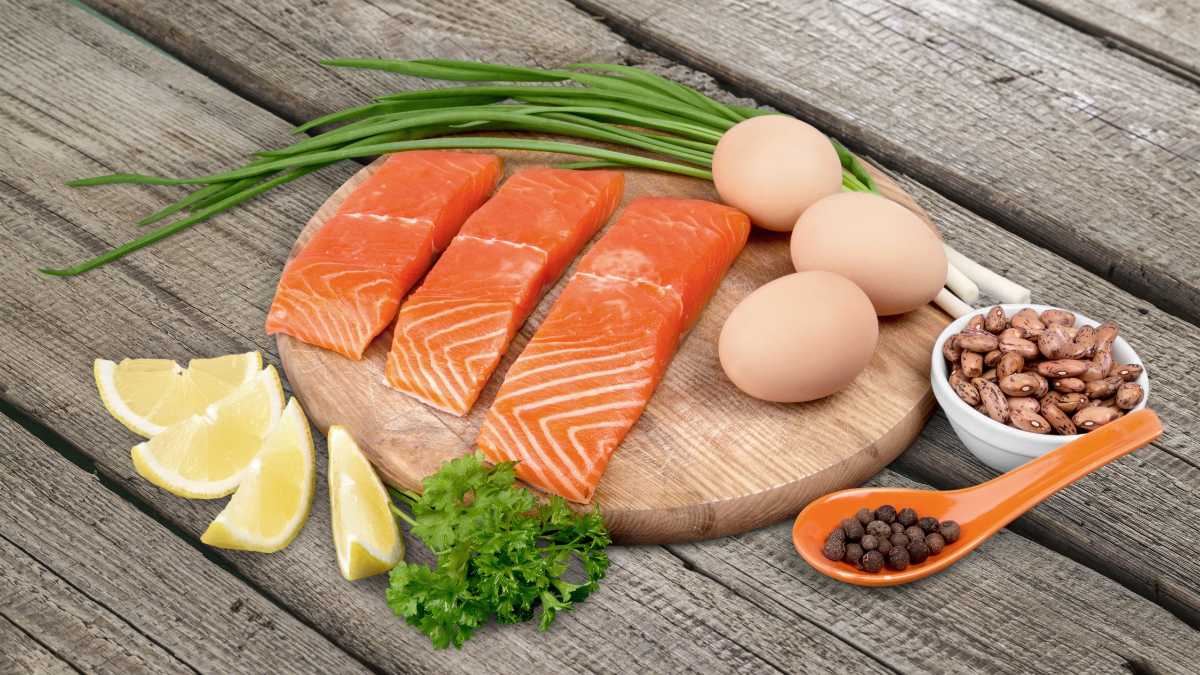
The quality of protein sources is as important as the quantity consumed, particularly in weight loss contexts. High-quality protein sources, such as lean meats, fish, eggs, dairy, legumes, and plant-based proteins, provide essential amino acids necessary for muscle repair and overall health. These sources not only support muscle retention but also contribute to satiety, making it easier to adhere to a calorie-restricted diet.
In contrast, lower-quality protein sources, which may be high in saturated fats or added sugars, can undermine weight loss efforts. Processed meats and high-fat dairy products, for example, can contribute excess calories without providing the same satiety benefits as leaner options. Therefore, focusing on nutrient-dense protein sources is essential for effective weight management.
Moreover, the method of preparation can also influence the overall healthfulness of protein sources. Grilling, baking, or steaming proteins can preserve their nutritional value, while frying can add unnecessary calories. Choosing healthier cooking methods can enhance the benefits of protein consumption in a weight loss diet.
Finally, incorporating a variety of protein sources can help ensure a well-rounded intake of nutrients. Diverse protein sources can provide not only protein but also vitamins, minerals, and other beneficial compounds that support overall health. Thus, while 100 grams of protein may be an appropriate target, the focus should also be on the quality and variety of protein sources consumed.
Potential Risks of Excessive Protein Intake for Dieters
While protein is essential for weight loss, excessive intake can pose risks, particularly for those on restrictive diets. Consuming significantly more than the recommended levels can lead to potential health issues, including kidney strain, dehydration, and nutrient imbalances. For individuals with pre-existing kidney conditions, high protein intake can exacerbate health problems, making it crucial to monitor consumption levels.
Additionally, focusing too heavily on protein at the expense of other macronutrients can lead to an unbalanced diet. Carbohydrates and fats play vital roles in energy provision and overall health, and neglecting these can result in deficiencies. A well-rounded diet that includes all macronutrients is essential for sustainable weight loss and long-term health.
Moreover, high protein diets can sometimes lead to gastrointestinal discomfort, including bloating and constipation. This is particularly true if protein sources are not balanced with adequate fiber intake from fruits, vegetables, and whole grains. Therefore, ensuring a diverse diet that includes sufficient fiber is important for digestive health.
Lastly, psychological factors should not be overlooked. An obsession with protein intake can lead to disordered eating patterns or an unhealthy relationship with food. Striking a balance between protein consumption and overall dietary habits is crucial for maintaining both physical and mental well-being during weight loss efforts.
Conclusions: Optimal Protein Levels for Effective Weight Loss
In conclusion, while 100 grams of protein can be an effective target for some individuals seeking to lose weight, it is essential to consider personal factors such as body weight, activity level, and overall dietary goals. Adequate protein intake supports muscle preservation, enhances satiety, and can facilitate fat loss when integrated into a balanced diet. However, it is equally important to focus on the quality of protein sources and maintain a well-rounded intake of all macronutrients.
Moreover, monitoring for potential risks associated with excessive protein consumption is crucial. A personalized approach, ideally guided by a nutrition professional, can help individuals determine their optimal protein needs while ensuring a balanced and sustainable diet. Ultimately, the most effective weight loss strategy is one that promotes overall health and well-being while achieving desired body composition goals.
Read more
- Dietary Protein and Weight Loss – A comprehensive review of the role of dietary protein in weight loss and body composition.
- Protein Requirements and Recommendations – An overview of protein requirements and recommendations from the National Institutes of Health.
- The Role of Protein in Weight Management – An analysis of how protein influences weight management and metabolic health.
- Protein Quality and Weight Loss – A study examining the impact of protein quality on weight loss outcomes.
- High Protein Diets: Benefits and Risks – A detailed article discussing the benefits and potential risks associated with high protein diets.