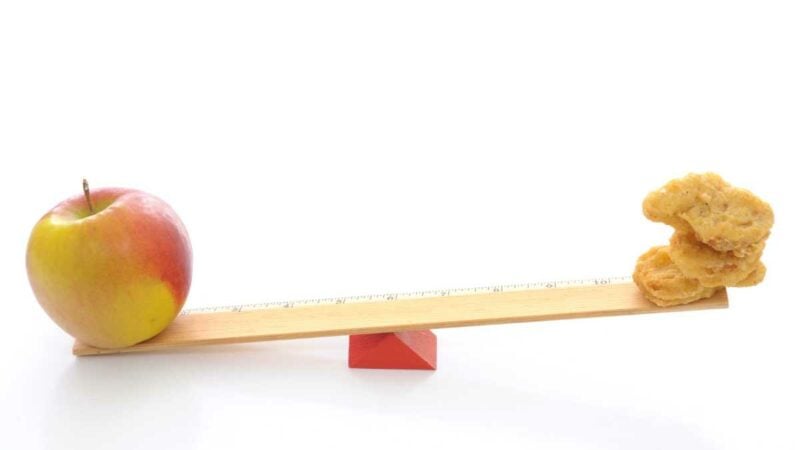
Introduction:
The question of whether 1200 calories is too low for a woman is a topic that garners significant attention in the realms of nutrition and weight management. While some may view this caloric intake as a viable means to achieve weight loss, it is crucial to understand the broader implications of such a restrictive diet. This article aims to explore the complexities of caloric needs for women, the science behind daily requirements, and the potential health implications of consuming a low-calorie diet.
Understanding Caloric Needs: A Woman’s Perspective
Caloric needs can vary significantly among women based on several factors, including age, weight, height, and activity level. The average adult woman requires approximately 1,800 to 2,400 calories per day to maintain her weight, depending on these variables. Consuming only 1200 calories may seem appealing for those seeking rapid weight loss, but it often fails to meet the body’s basic energy requirements.
Moreover, women generally have a higher percentage of body fat compared to men, which can influence their metabolic rate. A lower metabolic rate means that women may require fewer calories to maintain their weight. However, this does not imply that drastically reducing caloric intake is safe or effective for long-term health.
It’s also important to consider that women experience hormonal fluctuations throughout their lives, particularly during menstruation, pregnancy, and menopause. These changes can affect energy levels and nutritional needs, making it essential to adopt a flexible approach to caloric intake rather than a one-size-fits-all solution.
Ultimately, understanding one’s unique caloric needs is paramount. Rather than adhering to a strict 1200-calorie limit, women should focus on balanced nutrition that supports their individual health goals and lifestyle.
The Science Behind Daily Caloric Requirements Explained
The concept of caloric requirements is rooted in the science of energy balance, which states that the number of calories consumed must equal the number of calories expended to maintain weight. When caloric intake is less than expenditure, weight loss occurs. However, the body has mechanisms that respond to caloric restriction, potentially leading to metabolic adaptations that can hinder weight loss over time.
Research indicates that women who consume fewer than 1200 calories daily may experience a slowdown in metabolic rate. This phenomenon, often referred to as "starvation mode," occurs when the body conserves energy in response to perceived threats of food scarcity. Consequently, the body may burn fewer calories at rest, making weight loss more challenging.
Additionally, the quality of calories consumed plays a crucial role in overall health. A diet consisting of nutrient-dense foods—rich in vitamins, minerals, and other essential nutrients—is vital for maintaining energy levels and supporting bodily functions. A low-calorie diet that lacks these nutrients can lead to deficiencies and negatively impact health.
In summary, while caloric intake is a critical component of weight management, it is essential to consider the broader context of energy balance, metabolic adaptations, and nutritional quality when evaluating daily caloric requirements.
Factors Influencing Caloric Needs in Women
Several factors influence a woman’s caloric needs, including age, body composition, activity level, and overall health status. As women age, their basal metabolic rate typically decreases due to a loss of muscle mass and hormonal changes. This decline means that older women may require fewer calories than their younger counterparts to maintain their weight.
Physical activity is another crucial determinant of caloric needs. Women who engage in regular exercise, particularly strength training, may have higher energy requirements due to increased muscle mass and energy expenditure. Conversely, sedentary women may require fewer calories to avoid weight gain.
Health conditions, such as thyroid disorders or metabolic syndromes, can also impact caloric needs. Women with hypothyroidism, for instance, may experience a reduced metabolic rate, necessitating a careful approach to caloric intake.
Lastly, psychological factors, including stress and emotional well-being, can influence eating behaviors and caloric needs. Women experiencing high levels of stress may engage in emotional eating, which can lead to increased caloric intake and weight gain. Understanding these factors is essential for developing a personalized approach to nutrition and caloric intake.
Health Implications of Consuming 1200 Calories Daily
Consuming only 1200 calories daily can have several health implications, particularly if sustained over an extended period. One of the most concerning effects is the risk of nutrient deficiencies. A diet that severely restricts caloric intake may not provide adequate vitamins and minerals essential for optimal health, leading to issues such as weakened immune function, brittle bones, and fatigue.
Additionally, low-calorie diets can negatively affect mental health. Research has shown that restrictive eating patterns can lead to mood swings, irritability, and increased anxiety. The psychological stress of constantly monitoring caloric intake can also contribute to disordered eating behaviors, such as binge eating or orthorexia.
Hormonal imbalances are another potential consequence of a low-calorie diet. For women, inadequate caloric intake can disrupt menstrual cycles and lead to irregular periods or amenorrhea (absence of menstruation). This disruption can have long-term effects on fertility and bone health.
Finally, the potential for yo-yo dieting is a significant concern. Rapid weight loss followed by weight regain can create a cycle of unhealthy eating behaviors and metabolic damage. This cycle not only undermines weight loss efforts but can also lead to increased body fat percentage over time.
Evaluating Weight Loss: Is 1200 Calories Sustainable?
While a 1200-calorie diet may yield short-term weight loss results, its sustainability is questionable. Many individuals find it challenging to adhere to such a restrictive caloric intake, leading to feelings of deprivation and eventual relapse into old eating habits. This pattern can result in a cycle of weight loss and regain, which is not only frustrating but can also have detrimental effects on metabolic health.
Moreover, the psychological toll of strict dieting can lead to an unhealthy relationship with food. Individuals may become preoccupied with counting calories, which can detract from the enjoyment of meals and social interactions. This fixation can foster feelings of guilt or shame associated with food choices, further complicating the weight loss journey.
Research suggests that sustainable weight loss is more effectively achieved through gradual changes in dietary habits and lifestyle rather than extreme caloric restriction. A balanced approach that includes a variety of foods, regular physical activity, and mindful eating can promote long-term success without the adverse effects associated with low-calorie diets.
In conclusion, while a 1200-calorie diet may appear attractive for quick weight loss, it is essential to consider the long-term implications for health and well-being. A more holistic approach to weight management is likely to yield better results.
Recommendations for Safe Caloric Intake for Women
To ensure safe and effective weight management, women should aim for a caloric intake that meets their individual needs without resorting to extreme restrictions. Generally, a caloric intake of 1,500 to 2,000 calories per day is recommended for most women, depending on their activity level and health goals.
Incorporating a variety of nutrient-dense foods is crucial for achieving a balanced diet. Women should focus on whole grains, lean proteins, healthy fats, fruits, and vegetables to ensure they receive the necessary nutrients. This approach not only supports weight management but also promotes overall health and well-being.
Regular physical activity is another vital component of a healthy lifestyle. Engaging in a mix of cardiovascular and strength-training exercises can help increase caloric expenditure, support muscle mass, and improve metabolic health. Aim for at least 150 minutes of moderate-intensity exercise per week, along with strength training exercises at least twice a week.
Lastly, women should prioritize self-care and mental well-being in their weight management journey. Mindful eating practices, stress management techniques, and seeking support from healthcare professionals can help create a sustainable and healthy relationship with food and body image.
Conclusions:
Ultimately, the question of whether 1200 calories is too low for a woman cannot be answered with a simple yes or no. Individual caloric needs vary widely, influenced by numerous factors, including age, activity level, and health status. A restrictive diet of 1200 calories may lead to short-term weight loss but poses significant risks for long-term health and sustainability. A balanced approach to nutrition that prioritizes nutrient-dense foods and healthy lifestyle habits is essential for achieving lasting results.
Read more
-
Mayo Clinic – Healthy Weight Loss
An overview of healthy weight loss strategies, emphasizing the importance of balanced nutrition and physical activity. -
Harvard Health Publishing – The Truth About Caloric Intake
This article discusses the science behind caloric intake and its implications for weight management. -
American Heart Association – Nutrition Basics
A guide to understanding nutrition and making heart-healthy food choices. -
Centers for Disease Control and Prevention – Adult Obesity Facts
This resource offers statistics and information on adult obesity, including factors influencing weight management.