

Introduction:
In the realm of nutrition and diet, the question of caloric intake often arises, particularly when discussing weight management and overall health. The notion of consuming 1800 calories daily can be a topic of debate, as it may be perceived as low for some individuals while adequate for others. Understanding whether this caloric level is appropriate requires a comprehensive examination of energy balance, individual metabolic rates, and lifestyle factors. This article aims to delve into the intricacies of caloric needs, the implications of a diet consisting of 1800 calories, and guidelines for safe caloric intake.
Understanding Caloric Needs: An Overview of Energy Balance
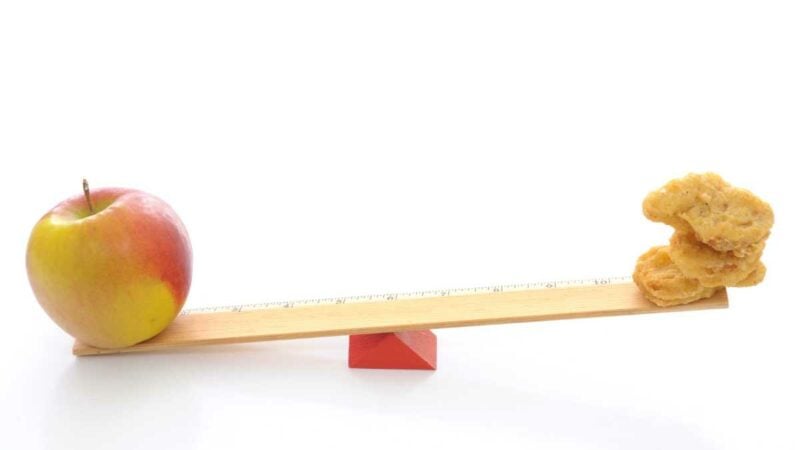
Energy balance is a fundamental concept in nutrition, referring to the relationship between calories consumed through food and beverages and calories expended through physical activity and metabolic processes. When caloric intake matches expenditure, the body maintains its weight. However, when intake exceeds expenditure, weight gain occurs, and conversely, a deficit leads to weight loss. Understanding this balance is crucial for effective weight management.
Caloric needs are not static; they fluctuate based on various factors, including age, sex, weight, height, and physical activity levels. For instance, a sedentary individual will require fewer calories than someone who is highly active. The general recommendation for daily caloric intake varies, with the average adult needing between 2000 to 2500 calories per day to maintain their weight. This variability underscores the importance of personalized dietary plans.
Moreover, the concept of energy balance extends beyond mere numbers. It encompasses the quality of the calories consumed. A diet rich in whole foods, such as fruits, vegetables, lean proteins, and whole grains, can provide essential nutrients that support overall health, regardless of caloric quantity. Thus, understanding caloric needs involves a holistic approach to diet and lifestyle.
In summary, while 1800 calories may seem low for some, it can be suitable for others depending on their unique energy balance. Evaluating individual caloric needs is essential for determining whether this level of intake is appropriate for maintaining health and achieving personal goals.
The Role of Basal Metabolic Rate in Daily Caloric Needs
Basal Metabolic Rate (BMR) represents the number of calories the body requires at rest to maintain essential physiological functions, such as breathing, circulation, and cell production. BMR accounts for a significant portion of daily caloric expenditure, often ranging from 60% to 75%. Understanding BMR is crucial in determining overall caloric needs.
BMR is influenced by several factors, including age, sex, weight, and body composition. For instance, individuals with a higher muscle mass typically have a higher BMR, as muscle tissue requires more energy to maintain than fat tissue. Additionally, BMR tends to decrease with age, which can affect caloric needs over time. This highlights the importance of considering individual variations when assessing caloric intake.
To calculate BMR, various equations can be used, such as the Harris-Benedict equation or the Mifflin-St Jeor equation. These formulas incorporate factors like age, weight, height, and sex to provide an estimate of daily caloric needs. Once BMR is determined, it can be adjusted based on activity level to ascertain total daily energy expenditure (TDEE). This comprehensive approach allows for a more accurate assessment of caloric requirements.
In conclusion, BMR plays a pivotal role in understanding daily caloric needs. For individuals considering a diet of 1800 calories, evaluating BMR and TDEE can provide valuable insights into whether this caloric level is sufficient for maintaining health and energy levels.
Factors Influencing Individual Caloric Requirements
Several factors contribute to the variability in individual caloric requirements. Physical activity level is one of the most significant determinants; those who engage in regular exercise will require more calories to fuel their activities compared to sedentary individuals. Additionally, the type of exercise performed can influence caloric needs, with strength training and high-intensity workouts demanding more energy than low-intensity activities.
Body composition also plays a crucial role in determining caloric needs. Individuals with a higher percentage of lean muscle mass will have increased metabolic demands compared to those with a higher percentage of body fat. This is because muscle tissue is metabolically active and requires more energy for maintenance. As such, individuals aiming to lose weight may benefit from incorporating strength training into their routines to preserve muscle mass while in a caloric deficit.
Age and sex are additional factors that influence caloric requirements. Generally, younger individuals and males tend to have higher caloric needs due to greater muscle mass and higher activity levels. As people age, their metabolic rates tend to decline, leading to reduced caloric needs. This is particularly important for older adults who may need to adjust their intake to prevent unintentional weight gain.
Finally, health conditions can also impact caloric needs. For instance, individuals with hyperthyroidism may require more calories due to an accelerated metabolism, while those with hypothyroidism may need fewer calories. It is essential to consider these factors when evaluating whether a diet of 1800 calories is appropriate for an individual.
Evaluating the Nutritional Quality of 1800-Calorie Diets
While caloric intake is a critical component of any diet, the nutritional quality of those calories is equally important. A diet consisting of 1800 calories can be nutritionally adequate if it includes a variety of food groups that provide essential vitamins, minerals, and macronutrients. However, if the diet is composed primarily of processed foods high in sugars and unhealthy fats, it may lead to nutrient deficiencies and adverse health effects.
To ensure a balanced intake, individuals should focus on consuming whole foods that are nutrient-dense. This includes incorporating plenty of fruits, vegetables, whole grains, lean proteins, and healthy fats into their meals. A well-rounded diet not only supports overall health but also aids in weight management by promoting satiety.
Moreover, portion control and meal timing can also influence the nutritional quality of a 1800-calorie diet. Eating smaller, more frequent meals can help stabilize blood sugar levels and prevent overeating. Additionally, being mindful of portion sizes can ensure that individuals are getting the right balance of nutrients without exceeding their caloric limits.
In summary, while 1800 calories may be considered low for some individuals, the nutritional quality of those calories is paramount. A focus on whole, nutrient-dense foods can help individuals meet their dietary needs while adhering to a lower caloric intake.
Potential Health Implications of Consuming 1800 Calories
Adopting a diet of 1800 calories can have both positive and negative health implications, depending on individual circumstances. For some, particularly those aiming for weight loss, this caloric level may facilitate a caloric deficit, leading to gradual and sustainable weight loss. When done correctly, this can improve overall health markers, including blood pressure, cholesterol levels, and blood sugar control.
However, for others, particularly those with higher caloric needs, consuming only 1800 calories may lead to nutritional deficiencies. Insufficient intake of essential nutrients can result in fatigue, weakened immune function, and other health issues. It’s crucial for individuals to ensure that their diet is well-balanced and includes a variety of food sources to mitigate these risks.
Additionally, a prolonged low-calorie diet can potentially lead to metabolic adaptations, where the body adjusts to lower energy intake by slowing down metabolism. This can make it increasingly difficult to lose weight and may lead to rebound weight gain once normal eating patterns are resumed. Understanding the potential for metabolic adaptation is essential for those considering a lower-calorie diet.
Lastly, psychological factors should also be considered. Restrictive diets can sometimes lead to unhealthy relationships with food, including binge eating or disordered eating patterns. It is vital for individuals to approach caloric restriction with a balanced mindset, focusing on health rather than solely on weight.
Recommendations for Safe Caloric Intake and Weight Management
To ensure safe caloric intake and effective weight management, individuals should consider several key recommendations. First and foremost, it is essential to consult with a healthcare professional or registered dietitian before making significant changes to dietary habits. These professionals can provide personalized guidance based on individual health status, lifestyle, and goals.
Setting realistic and achievable goals is also crucial. Instead of aiming for drastic weight loss, individuals should focus on gradual changes that promote sustainable habits. Aiming for a weight loss of 1 to 2 pounds per week is generally considered safe and effective. This approach allows the body to adjust without triggering negative metabolic adaptations.
Incorporating regular physical activity into daily routines can also enhance weight management efforts. Engaging in both aerobic and strength-training exercises can help maintain muscle mass while promoting fat loss. Additionally, physical activity can improve overall health and well-being, making it an essential component of any weight management plan.
Finally, practicing mindful eating can help individuals maintain a healthy relationship with food. This includes paying attention to hunger and fullness cues, savoring meals, and avoiding distractions while eating. Mindful eating can prevent overeating and promote a more enjoyable dining experience.
Conclusions:
In conclusion, whether 1800 calories is too low depends on individual factors such as metabolic rate, activity level, and overall health. While it may be suitable for some, others may find it insufficient for their needs. Evaluating the quality of the diet, considering individual caloric requirements, and adopting a balanced approach to weight management are essential for achieving optimal health. As with any dietary change, it is advisable to seek professional guidance to ensure that nutritional needs are met while pursuing personal health goals.
Read more
- National Institutes of Health – Understanding Energy Balance – A comprehensive overview of energy balance and its impact on weight management.
- Mayo Clinic – Basal Metabolic Rate – An informative article on BMR and how it affects caloric needs.
- Harvard Health Publishing – The Importance of Nutritional Quality – Insights into the significance of nutrient-dense foods in dietary planning.
- American Heart Association – Healthy Weight Management – Guidelines for safe and effective weight management strategies.
- Academy of Nutrition and Dietetics – Mindful Eating – Strategies for practicing mindful eating to promote a healthy relationship with food.