

Introduction:
As we age, our bodies undergo various changes that can significantly affect our nutritional needs. After the age of 50, it becomes increasingly important to focus on a balanced diet that supports overall health and well-being. This article explores the best foods to consume after 50, emphasizing the essential nutrients, food groups, and practical tips for meal planning and preparation. By understanding these aspects, individuals can make informed dietary choices that promote longevity and vitality.
Understanding Nutritional Needs After Age 50: An Overview
As we transition into our 50s and beyond, our metabolic rate tends to slow down, leading to changes in body composition. This age group often experiences a decrease in muscle mass and an increase in body fat, making it crucial to adjust dietary habits accordingly. Nutritional needs shift due to hormonal changes, decreased physical activity, and the body’s ability to absorb nutrients. Therefore, a focus on nutrient-dense foods is essential to meet these evolving requirements.
Moreover, older adults may face challenges such as dental issues, gastrointestinal changes, and chronic health conditions that can affect their ability to consume certain foods. Understanding these factors can help tailor a diet that is not only nutritious but also palatable and easy to prepare. It’s essential to prioritize foods that are rich in vitamins, minerals, and other beneficial compounds to support overall health.
Hydration also plays a vital role in maintaining health after 50. Many individuals may not feel thirsty, leading to inadequate fluid intake. Staying hydrated is crucial for cognitive function, kidney health, and skin elasticity. Therefore, incorporating water-rich foods and beverages into the diet is equally important.
Lastly, it’s essential to recognize that dietary needs can vary significantly among individuals based on genetics, lifestyle, and health status. Personalized nutrition should be considered, and consulting with healthcare professionals can help create a tailored dietary plan that meets specific needs.
Key Nutrients Essential for Health in Older Adults
Certain nutrients become increasingly important as we age. Calcium and Vitamin D are critical for maintaining bone health, as the risk of osteoporosis increases after 50. Dairy products, leafy greens, and fortified foods can help ensure adequate intake. Vitamin D, in particular, is essential for calcium absorption and can be obtained through sunlight exposure and fortified foods.
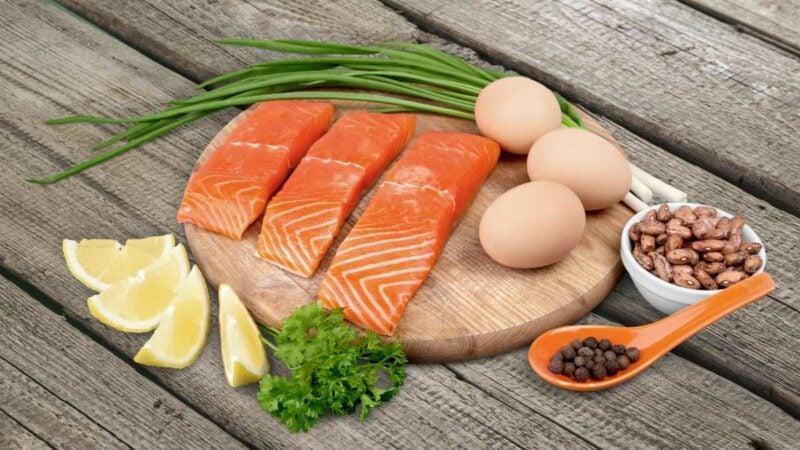
Another vital nutrient is Omega-3 fatty acids, which play a significant role in heart health and cognitive function. Fatty fish, such as salmon and mackerel, along with walnuts and flaxseeds, are excellent sources of Omega-3s. These fats can help reduce inflammation and lower the risk of chronic diseases.
Additionally, B vitamins—especially B12—are crucial for energy metabolism and neurological function. As absorption may decrease with age, incorporating fortified cereals, lean meats, and dairy products can help maintain adequate levels. Folate, another B vitamin, is essential for cell division and can be found in leafy greens and legumes.
Lastly, fiber is essential for digestive health and can help prevent constipation, a common issue in older adults. Whole grains, fruits, vegetables, and legumes are excellent sources of dietary fiber, which also aids in maintaining a healthy weight and lowering cholesterol levels.
Top Food Groups to Incorporate in Your Post-50 Diet
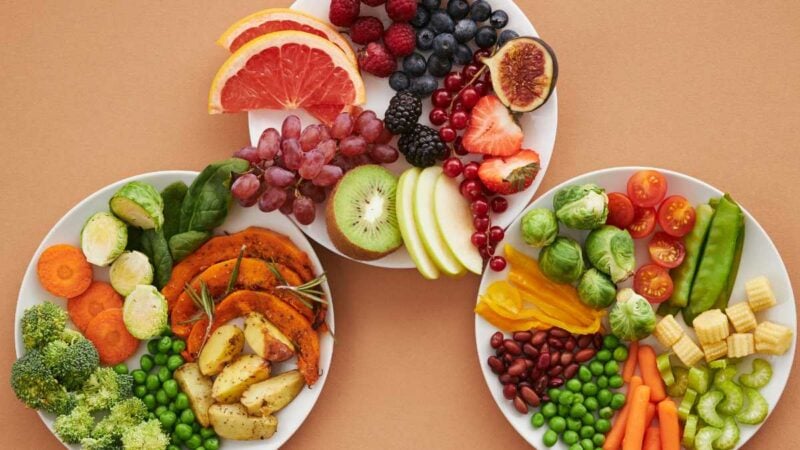
Incorporating a variety of food groups is essential for a balanced diet. Fruits and vegetables should be the cornerstone of any post-50 diet. They are rich in vitamins, minerals, and antioxidants that combat oxidative stress and promote overall health. Aim for a colorful plate, as different colors often signify different nutrients.
Whole grains are another crucial food group. Whole grains such as brown rice, quinoa, and whole wheat bread provide essential nutrients and fiber, which can help regulate blood sugar levels and support heart health. They are a healthier alternative to refined grains, which can lead to weight gain and other health issues.
Lean proteins are vital for maintaining muscle mass and overall health. Incorporating sources like poultry, fish, legumes, and plant-based proteins can help meet protein needs without excess saturated fat. This is particularly important as muscle mass naturally declines with age, making adequate protein intake essential for preserving strength and mobility.
Lastly, healthy fats should not be overlooked. Incorporating sources of unsaturated fats such as avocados, nuts, and olive oil can support heart health and provide essential fatty acids. These fats can also enhance the absorption of fat-soluble vitamins, further benefiting overall health.
The Role of Protein in Maintaining Muscle Mass After 50
As individuals age, maintaining muscle mass becomes increasingly important for overall health and mobility. Protein plays a critical role in muscle synthesis and repair, making it essential for older adults. Research indicates that adequate protein intake can help counteract age-related muscle loss, known as sarcopenia.
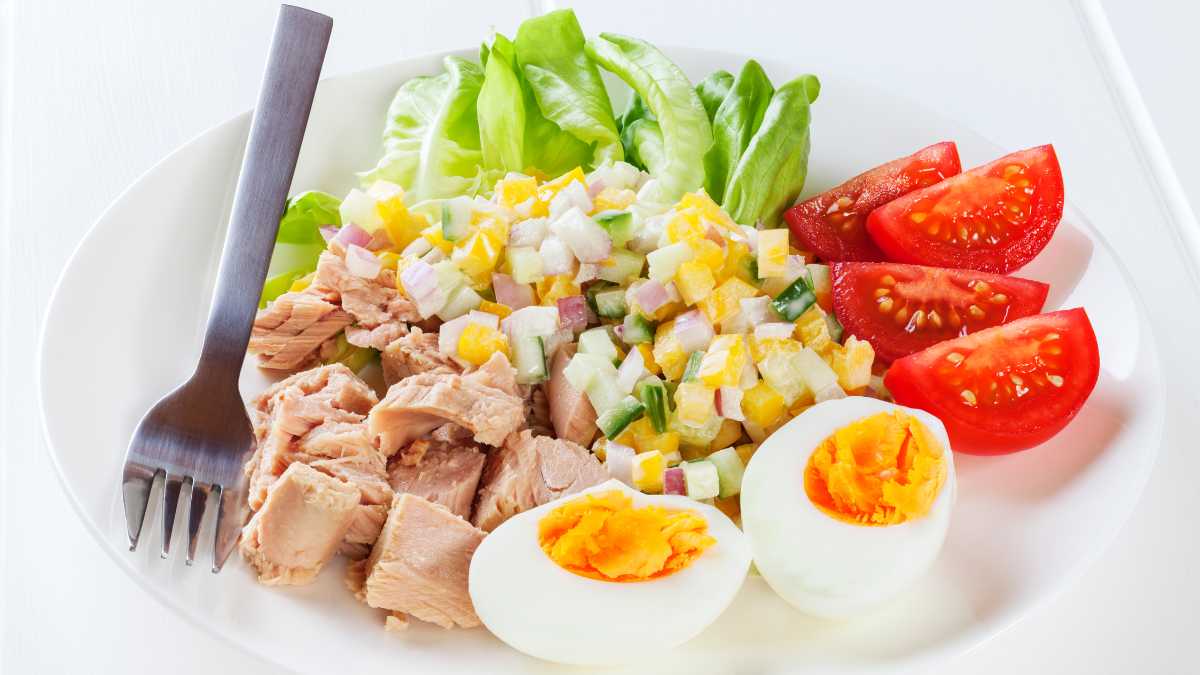
To effectively support muscle health, it’s recommended that older adults consume high-quality protein sources at each meal. This includes lean meats, fish, eggs, dairy products, and plant-based options such as legumes and tofu. Spreading protein intake throughout the day can optimize muscle protein synthesis and promote better health outcomes.
In addition to quantity, the quality of protein is also important. Proteins that contain all essential amino acids, such as those found in animal products, are particularly beneficial. However, combining different plant-based proteins can also provide a complete amino acid profile for those following vegetarian or vegan diets.
Finally, engaging in regular physical activity, particularly strength training, can further enhance the benefits of protein consumption. Exercise combined with adequate protein intake can lead to improved muscle mass, strength, and overall functional ability, significantly enhancing the quality of life for older adults.
Antioxidant-Rich Foods to Combat Aging and Inflammation
Antioxidants are compounds that help neutralize free radicals in the body, which can cause oxidative stress and contribute to aging and chronic diseases. Incorporating antioxidant-rich foods into the diet is crucial for promoting health after 50. These foods can help reduce inflammation, improve immune function, and support overall well-being.
Fruits and vegetables are among the best sources of antioxidants. Berries, such as blueberries and strawberries, are particularly high in anthocyanins, which have been linked to improved cognitive function and reduced risk of heart disease. Similarly, leafy greens like spinach and kale are packed with vitamins and antioxidants that support eye health and reduce inflammation.
Nuts and seeds also provide a wealth of antioxidants. Walnuts, almonds, and chia seeds are excellent choices that offer healthy fats, fiber, and protein, along with various vitamins and minerals. Including these in the diet can promote heart health and provide sustained energy.
Lastly, herbs and spices should not be overlooked. Ingredients like turmeric, ginger, and garlic are rich in antioxidants and have anti-inflammatory properties. Incorporating these into meals can enhance flavor while providing additional health benefits, making them a valuable addition to a post-50 diet.
Practical Tips for Meal Planning and Preparation After 50
Meal planning can be a powerful tool for maintaining a healthy diet after 50. Creating a weekly meal plan can help ensure that meals are balanced and nutrient-dense. Consider incorporating a variety of food groups and colors to maximize nutrient intake. This approach can also help reduce food waste and save time during busy weeks.
When grocery shopping, focus on whole, minimally processed foods. Reading labels can help identify added sugars, sodium, and unhealthy fats that should be limited. Prioritizing fresh produce, whole grains, and lean proteins can lead to healthier meal choices and better overall nutrition.
Preparing meals in advance can also be beneficial. Batch cooking and freezing portions can save time and ensure that healthy options are readily available during the week. This practice can also help control portion sizes and reduce reliance on convenience foods, which are often less nutritious.
Lastly, consider involving family or friends in meal preparation. Cooking together can make the process more enjoyable and provide an opportunity to share healthy recipes and cooking techniques. This social aspect can enhance the overall experience of maintaining a healthy diet.
Conclusions:
In summary, adopting a balanced diet after the age of 50 is essential for promoting health and well-being. By understanding nutritional needs, focusing on key nutrients, and incorporating a variety of food groups, individuals can make informed dietary choices that support longevity. Practical meal planning and preparation strategies can further enhance the effectiveness of dietary changes, leading to improved quality of life.
Read more:
- National Institute on Aging – Healthy Eating – A comprehensive resource on nutrition for older adults, including tips and guidelines.
- Harvard Health Publishing – Nutrition After 50 – An article detailing essential nutrients and dietary recommendations for older adults.
- Mayo Clinic – Healthy Aging: Nutrition – Insights on how nutrition impacts aging and practical tips for maintaining a healthy diet.
- American Heart Association – Nutrition Basics – Information on heart-healthy eating and the importance of nutrition for overall health.
- Centers for Disease Control and Prevention – Healthy Aging – A resource providing information on healthy aging, including dietary and physical activity recommendations.