

Introduction:
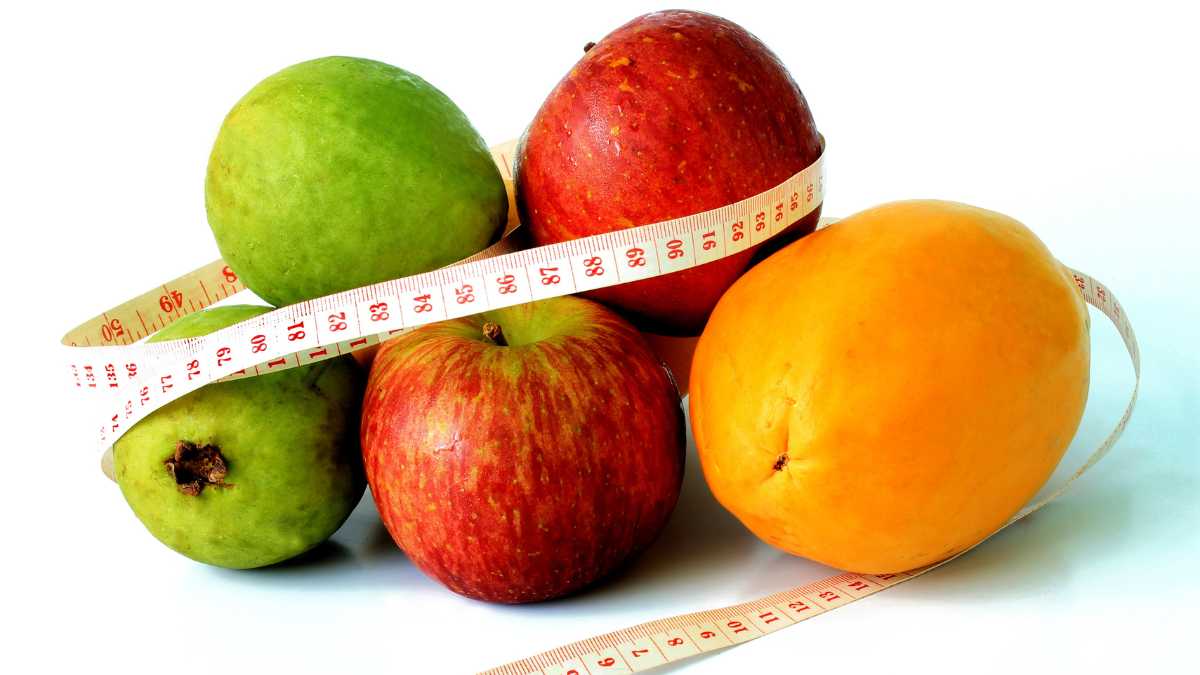
In the realm of nutrition, fruits are often celebrated for their health benefits, including vitamins, minerals, and antioxidants. However, not all fruits are created equal when it comes to caloric content. Understanding which fruits are higher in calories can help individuals make informed dietary choices, especially for those monitoring their caloric intake. This article delves into the factors influencing caloric density in fruits, compares common high-calorie varieties, and discusses the implications of consuming these fruits within a balanced diet.
Understanding Caloric Density in Fruits: An Overview
Caloric density refers to the number of calories in a given volume or weight of food. Fruits typically have low to moderate caloric density due to their high water and fiber content. However, some fruits, particularly those that are higher in sugar or fat, can be significantly more caloric. This understanding is crucial for anyone looking to manage their weight or overall caloric intake.
The caloric density of fruits can vary widely, influenced by factors such as ripeness, variety, and preparation methods. For instance, dried fruits tend to have a higher caloric density than their fresh counterparts due to the removal of water content. This concentration of nutrients and sugars makes it easier to consume more calories in a smaller volume.
Additionally, the way fruits are consumed can affect their caloric impact. For example, adding sugar or fats during preparation—such as in smoothies or desserts—can dramatically increase the overall caloric content. Thus, understanding the context in which fruits are consumed is essential for accurate caloric assessment.
Finally, it is important to note that while caloric density is a valuable metric, it should not be the sole consideration in dietary choices. The overall nutritional profile of fruits, including their vitamins, minerals, and fiber content, plays a significant role in their health benefits.
The Role of Sugar and Fat in Fruit Caloric Content
Fruits are primarily composed of carbohydrates, with sugars being the most significant contributor to their caloric content. Fructose, glucose, and sucrose are common sugars found in fruits, and their concentration can vary widely. For example, bananas and grapes are particularly high in natural sugars, making them higher in calories compared to fruits like strawberries or blackberries, which contain less sugar.
In addition to sugars, certain fruits contain higher levels of fats, which also contribute to their caloric density. Avocados and olives are prime examples of fruits that are rich in healthy fats. While these fats are beneficial for heart health, they significantly increase the caloric content of these fruits. For instance, avocados contain around 160 calories per 100 grams, largely due to their fat content.
The balance of sugar and fat in fruits can influence not only their caloric content but also their overall health benefits. While high-sugar fruits can provide quick energy, high-fat fruits offer sustained energy and satiety. Understanding this balance is crucial for individuals looking to tailor their fruit consumption to their dietary needs.
Moreover, the glycemic index (GI) of fruits, which measures how quickly a food raises blood sugar levels, can also be influenced by the sugar and fat content. High-GI fruits may lead to rapid spikes in blood sugar, while low-GI fruits provide a more gradual energy release, making them a better choice for those managing blood sugar levels.
Comparative Analysis of Common High-Calorie Fruits
When examining fruits with higher caloric content, several varieties stand out. Avocados, for instance, are often regarded as one of the highest-calorie fruits, with approximately 160 calories per 100 grams. Their unique composition of healthy fats makes them not only calorically dense but also nutritionally beneficial.
Another high-calorie fruit is the banana, which contains around 89 calories per 100 grams. Bananas are particularly popular for their convenience and energy-boosting properties, making them a staple for athletes and active individuals. However, their sugar content can be a consideration for those monitoring their caloric intake.
Dates are another fruit that deserves mention, as they are exceptionally high in calories—approximately 277 calories per 100 grams. Rich in natural sugars, dates are often used as a natural sweetener in various recipes. However, their high caloric density means that portion control is essential for those watching their weight.
Finally, grapes, particularly when dried into raisins, can be surprisingly high in calories. Fresh grapes contain about 69 calories per 100 grams, but raisins can pack around 299 calories for the same weight. This dramatic increase in caloric density emphasizes the importance of considering how fruits are consumed.
Nutritional Profiles: Calories vs. Nutrients in Fruits
While caloric content is an important factor, the nutritional profiles of fruits must also be considered. Many high-calorie fruits, such as avocados and bananas, provide essential nutrients that can contribute positively to overall health. For instance, avocados are rich in monounsaturated fats, potassium, and fiber, making them a heart-healthy choice despite their higher calorie count.
Conversely, some lower-calorie fruits, like watermelon and cucumbers, while refreshing and hydrating, may lack certain nutrients found in their higher-calorie counterparts. This highlights the need for a balanced approach to fruit consumption, where both caloric content and nutrient density are taken into account.
Additionally, the fiber content in fruits plays a crucial role in promoting satiety and digestive health. High-fiber fruits, regardless of their caloric density, can help individuals feel full longer, potentially aiding in weight management. This is particularly relevant for high-calorie fruits, as their fiber content can mitigate some of the caloric impact.
Ultimately, the goal should be to incorporate a variety of fruits into one’s diet, balancing both high-calorie and low-calorie options to ensure a comprehensive intake of nutrients while managing caloric consumption.
Implications of High-Calorie Fruits on Diet and Health
The inclusion of high-calorie fruits in a diet can have both positive and negative implications. On one hand, these fruits can provide essential nutrients and healthy fats that support overall health. For example, avocados can contribute to improved heart health, while bananas can offer quick energy for physical activity.
On the other hand, excessive consumption of high-calorie fruits can lead to an unintentional increase in caloric intake, which may contribute to weight gain if not balanced with physical activity. This is particularly relevant for individuals who are less active or those trying to lose weight.
Moreover, the timing and context of fruit consumption can influence its impact on health. Consuming high-calorie fruits as part of a balanced meal can enhance nutrient absorption and satiety, while consuming them as snacks may lead to overconsumption.
Education on portion sizes and the role of high-calorie fruits in a balanced diet is essential. Individuals should be encouraged to enjoy these fruits in moderation and as part of a diverse diet that includes a variety of food groups.
Conclusions: Balancing Caloric Intake with Fruit Consumption
In conclusion, understanding which fruits are highest in calories is essential for making informed dietary choices. While high-calorie fruits can provide valuable nutrients and health benefits, moderation is key to maintaining a balanced diet. By considering both caloric density and nutritional content, individuals can enjoy a variety of fruits while managing their overall caloric intake.
Incorporating high-calorie fruits into a balanced diet can be beneficial, provided that portion sizes are monitored and complemented with a diverse range of other foods. Ultimately, the goal should be to enjoy the health benefits of fruits while being mindful of their caloric contributions to the diet.
Read more:
- USDA FoodData Central – A comprehensive database of food composition that provides detailed nutritional information on various fruits and other foods.
- NutritionData by Self – A resource for analyzing the nutritional content of foods, including fruits, to help users make informed dietary choices.
- Harvard T.H. Chan School of Public Health – An authoritative source on nutrition that discusses the health benefits of various foods, including fruits.
- American Heart Association – Provides guidelines on the importance of fruits in the diet and their role in heart health.
- Mayo Clinic – Offers insights into the health benefits of fruits and tips for incorporating them into a balanced diet.