
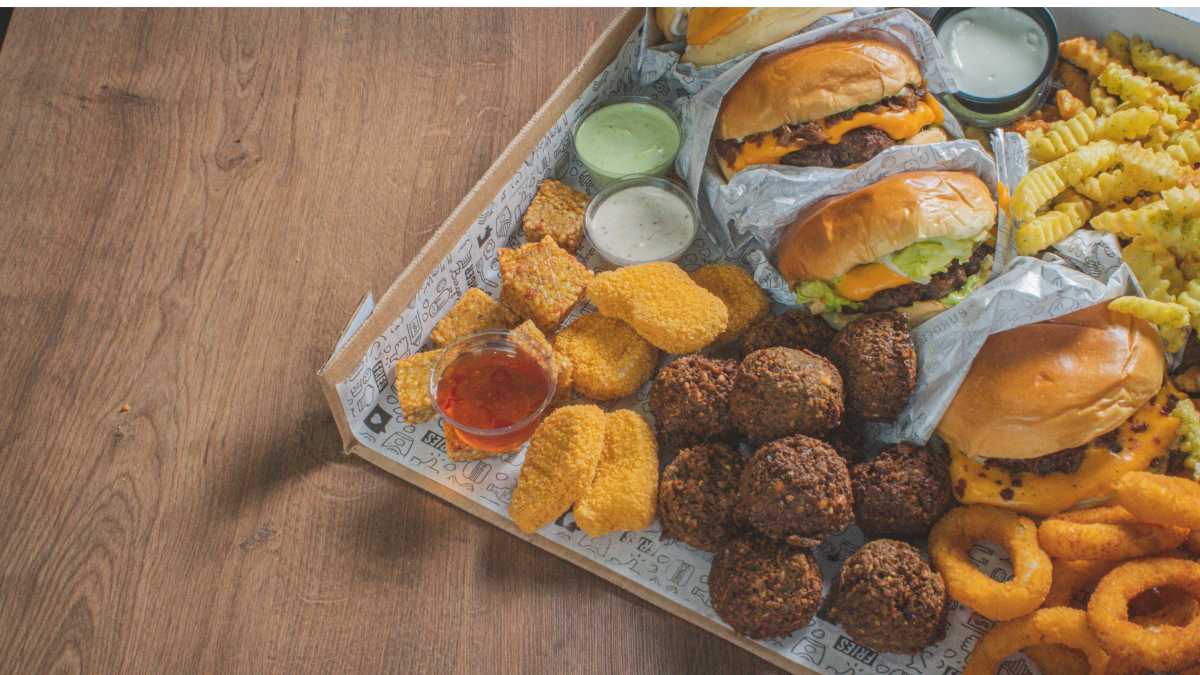

Introduction:
In today’s fast-paced world, junk food has become a staple for many individuals seeking convenience and flavor. However, the caloric density of these foods can be alarming. Understanding which types of junk food pack the highest caloric punch is crucial for making informed dietary choices. This article delves into the intricacies of caloric density in various junk food categories, compares popular items, and highlights the health implications of consuming high-calorie foods.
Understanding Caloric Density in Junk Food Categories
Caloric density refers to the number of calories in a given volume or weight of food. Junk foods, characterized by their high levels of added sugars, unhealthy fats, and low nutritional value, often exhibit high caloric density. Fast food, snack foods, and sweets are the primary categories where caloric density is most pronounced. Understanding these categories helps consumers recognize which foods might contribute significantly to their daily caloric intake without providing essential nutrients.
Fast food items, such as burgers and fried chicken, typically contain high levels of saturated fats and sugars, leading to increased caloric density. Snack foods, including chips and pretzels, often contain added oils and flavorings that elevate their calorie content. Meanwhile, sweets like candies and pastries are laden with sugars, making them calorie-dense despite their small serving sizes. Recognizing these categories allows individuals to make more informed choices about their food consumption.
Moreover, the serving size plays a crucial role in determining caloric density. A small serving of a high-calorie junk food can easily exceed the caloric content of a larger serving of a healthier option. This discrepancy can lead to unintentional overconsumption of calories, particularly when individuals are unaware of the caloric content of their favorite snacks.
Lastly, understanding caloric density can also aid in developing strategies for moderation. By being aware of which foods are calorie-dense, consumers can make conscious decisions to limit their intake or seek healthier alternatives that provide more nutrients for fewer calories.
Comparative Analysis of Popular Junk Food Items
When analyzing popular junk food items, it is essential to consider their caloric content per serving. For instance, a standard cheeseburger from a major fast-food chain can contain upwards of 300 to 600 calories, depending on toppings and size. In contrast, a medium-sized order of fries can add an additional 300 to 400 calories. This combination can lead to a meal exceeding 1,000 calories, a significant portion of the average daily caloric intake.
Snacks like potato chips are another example of high-calorie junk foods. A single serving, which is often just one ounce or about 15 chips, can contain around 150 calories. However, it is common for individuals to consume multiple servings in one sitting, leading to a total caloric intake that can easily surpass 500 calories. This illustrates how portion sizes can significantly impact overall caloric consumption.
Sweets and desserts also contribute to high caloric intake. For example, a standard chocolate bar can contain anywhere from 200 to 300 calories, while a slice of cake can range from 250 to 600 calories depending on its ingredients and frosting. These items are often consumed in addition to regular meals, further compounding daily caloric intake.
By comparing these popular junk food items, it becomes evident that many individuals may be unaware of how quickly calories can accumulate through seemingly innocuous snacks and meals. This lack of awareness can contribute to unhealthy eating patterns and weight gain over time.
Top Contenders: High-Calorie Junk Food Examples
Among the myriad of junk food options available, certain items stand out for their exceptionally high caloric content. For instance, the Double Whopper from a well-known fast-food chain contains approximately 1,000 calories without any sides or drinks. When coupled with fries and a soda, the total caloric intake can easily exceed 1,500 calories in one meal.
Another contender is the Fried Chicken sandwich, which can range from 500 to 1,200 calories, depending on the preparation method and additional toppings like mayonnaise or cheese. This high caloric content is primarily due to the frying process, which adds significant amounts of fat.
Additionally, deep-fried snacks such as mozzarella sticks or onion rings can contain 300 to 600 calories per serving. These items are often consumed in multiples, leading to a rapid increase in caloric intake during social gatherings or casual dining experiences.
Lastly, desserts like cheesecake can contain over 400 calories per slice, while specialty coffee drinks topped with whipped cream and flavored syrups can range from 300 to 600 calories. These high-calorie treats are often consumed without consideration of their impact on daily caloric limits, making them significant contributors to excess calorie consumption.
Nutritional Breakdown: Ingredients and Their Impact
The ingredients commonly found in high-calorie junk foods play a significant role in their caloric density. Added sugars are a primary contributor, providing empty calories without any nutritional benefits. Foods high in sugar, such as candies and sodas, can lead to rapid spikes in blood sugar levels, followed by crashes that prompt further snacking.
Unhealthy fats, particularly trans fats and saturated fats, are another major component of high-calorie junk foods. These fats not only increase the caloric content but also contribute to health issues such as heart disease and obesity. Fast food items, which often contain these unhealthy fats, are particularly concerning due to their widespread availability and consumption.
Moreover, the presence of refined carbohydrates in many junk foods can exacerbate their caloric density. Foods made with white flour, such as pastries and certain snack cakes, often lack fiber, leading to quicker digestion and a faster return of hunger. This cycle can encourage overeating and further contribute to weight gain.
Understanding the nutritional breakdown of these ingredients is crucial for consumers aiming to make healthier choices. By recognizing the impact of added sugars, unhealthy fats, and refined carbohydrates, individuals can better navigate their food options and make informed decisions that align with their health goals.
Health Implications of High-Calorie Junk Food Consumption
The consumption of high-calorie junk food has been linked to numerous health issues, primarily due to its contribution to excessive caloric intake and poor nutritional quality. One of the most significant concerns is obesity, which has reached epidemic levels in many parts of the world. Regularly consuming high-calorie foods can lead to weight gain and associated health problems, including diabetes, heart disease, and certain cancers.
Additionally, high-calorie junk foods often lack essential nutrients, leading to nutritional deficiencies. Individuals who rely heavily on these foods may miss out on vital vitamins and minerals necessary for overall health. This imbalance can result in fatigue, weakened immune function, and other health complications.
Moreover, the consumption of high-calorie junk foods can negatively impact mental health. Studies have shown a correlation between diets high in processed foods and increased rates of depression and anxiety. The rapid fluctuations in blood sugar levels caused by sugary and high-fat foods can lead to mood swings and irritability.
Lastly, the social implications of consuming high-calorie junk food cannot be overlooked. In many cultures, fast food and junk food consumption are associated with convenience and social gatherings, which can normalize unhealthy eating patterns. This normalization can perpetuate a cycle of poor dietary choices and health issues, making it essential for individuals to be mindful of their food choices.
Strategies for Reducing Junk Food Caloric Intake
To mitigate the impact of high-calorie junk food on one’s diet, several strategies can be employed. First and foremost, mindful eating practices can help individuals become more aware of their food choices and portion sizes. By paying attention to hunger cues and savoring each bite, individuals can reduce the likelihood of overeating.
Another effective strategy is to plan meals and snacks ahead of time. By preparing healthy options in advance, individuals can avoid the temptation of reaching for convenient junk food when hunger strikes. Incorporating nutrient-dense foods such as fruits, vegetables, whole grains, and lean proteins can help satisfy cravings without excessive caloric intake.
Additionally, individuals can opt for healthier alternatives to their favorite junk foods. For instance, choosing baked snacks instead of fried options, or opting for dark chocolate instead of milk chocolate can significantly reduce caloric intake while still satisfying cravings.
Finally, limiting exposure to high-calorie junk foods can be beneficial. This can involve avoiding fast food restaurants or keeping junk food out of the home. By creating an environment that promotes healthier choices, individuals can make it easier to stick to their dietary goals.
Conclusions:
Understanding which junk foods have the highest caloric content is essential for making informed dietary choices. By recognizing the caloric density of various categories of junk food, analyzing popular items, and considering their health implications, individuals can take proactive steps toward healthier eating habits. Implementing strategies to reduce caloric intake from junk food can lead to improved health outcomes and overall well-being.
Read more
- Caloric Density: The Key to Understanding Your Food – This article provides an in-depth look at caloric density and its importance in dietary choices.
- The Impact of Fast Food on Health – A comprehensive study discussing the health implications of fast food consumption.
- Mindful Eating: A Guide to Healthy Eating – An overview of mindful eating practices and how they can help reduce caloric intake.
- Nutritional Deficiencies and Junk Food – This article explores the nutritional deficiencies associated with a diet high in junk food.
- Healthy Alternatives to Junk Food – A guide to healthier snack options that can satisfy cravings without excessive calories.