
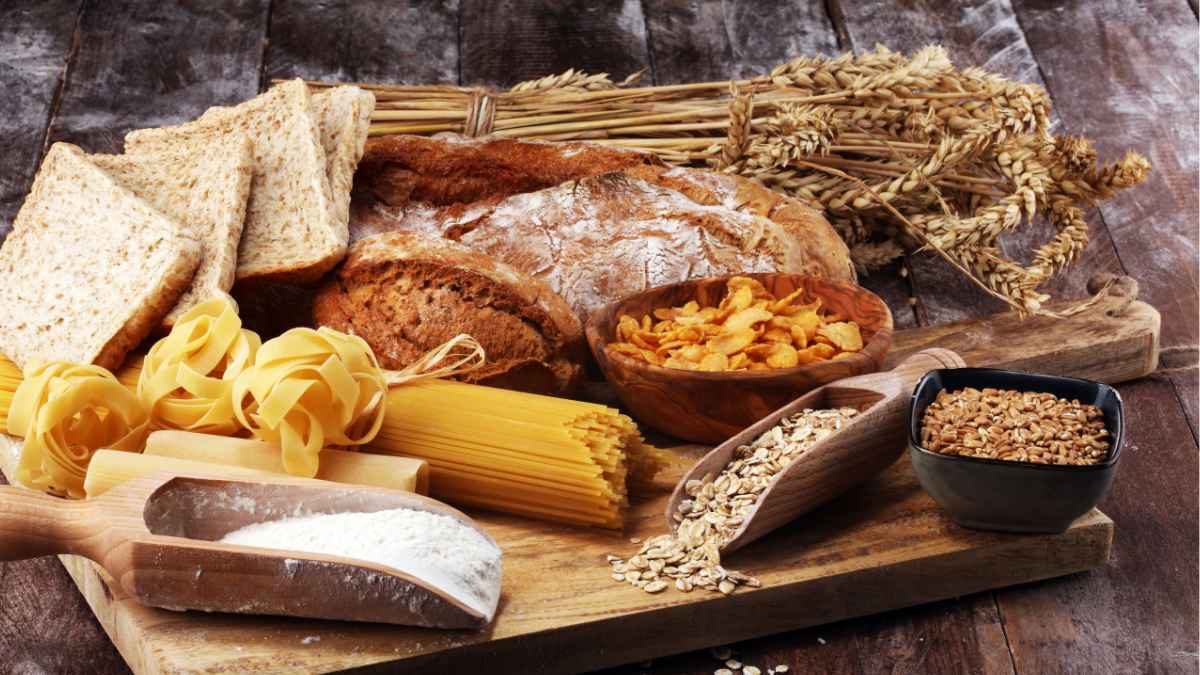

Introduction: Low-carb diets have surged in popularity over the past decade, driven by their potential benefits for weight loss, blood sugar control, and overall health. One of the main challenges for those adopting a low-carb lifestyle is finding suitable substitutes for traditional flour, which is a staple in many diets but high in carbohydrates. This article explores various alternatives to flour that align with low-carb diet requirements, providing a comprehensive guide for anyone looking to make healthier, low-carb choices.
Understanding Low-Carb Diet Requirements
Low-carb diets focus on reducing carbohydrate intake to promote fat burning and stabilize blood sugar levels. Typically, these diets limit carbs to about 20-50 grams per day, depending on individual goals and metabolic responses. The primary sources of carbohydrates—such as grains, starchy vegetables, and sugars—are minimized or eliminated.
Adopting a low-carb diet involves a significant shift in macronutrient composition. Instead of relying on carbs for energy, the body turns to fats and proteins. This metabolic state, known as ketosis, can lead to weight loss and improved metabolic health. However, it also necessitates finding replacements for high-carb foods, including flour.
Understanding the nutritional content of foods is crucial for anyone on a low-carb diet. It’s not just about cutting carbs but also about ensuring adequate intake of other essential nutrients. This balance helps maintain energy levels, muscle mass, and overall health.
Low-carb diets can vary widely, from the strict ketogenic diet to more moderate low-carb approaches like the Atkins or South Beach diets. Each has its own guidelines and restrictions, but all share the common goal of reducing carbohydrate intake.
When considering flour alternatives, it’s important to evaluate their carb content, fiber levels, and overall nutritional profile. Some alternatives may also offer additional health benefits, such as improved digestion or anti-inflammatory properties.
Ultimately, the success of a low-carb diet depends on careful planning and the ability to adapt traditional recipes to fit new dietary guidelines. This often means experimenting with different ingredients and cooking methods to find what works best for individual tastes and nutritional needs.
The Role of Flour in Traditional Diets
Flour is a cornerstone of many traditional diets, serving as the base for a wide variety of foods including bread, pasta, pastries, and sauces. It provides structure, texture, and flavor to countless dishes, making it a versatile and essential ingredient in cooking and baking.
Traditional wheat flour is high in carbohydrates, which are broken down into glucose and used by the body for energy. While this can be beneficial for those with high energy needs, it poses a challenge for those on low-carb diets. The high carb content of wheat flour can quickly add up, making it difficult to stay within the daily carb limits of a low-carb diet.
Flour also contains gluten, a protein that gives dough its elasticity and helps it rise. While gluten is harmless for most people, it can cause adverse reactions in those with celiac disease or gluten sensitivity. This has led to a growing interest in gluten-free and low-carb flour alternatives.
In addition to its carbohydrate content, traditional flour is often enriched with vitamins and minerals. However, these nutrients can also be obtained from other sources, making it possible to maintain a balanced diet without relying on wheat flour.
Flour’s role in traditional diets extends beyond nutrition. It is also a cultural staple, with many recipes and culinary traditions built around its use. This cultural significance can make it challenging to find suitable substitutes that replicate the taste and texture of traditional flour-based foods.
Despite these challenges, there is a growing market for low-carb flour alternatives. Advances in food science and a better understanding of nutrition have led to the development of a variety of flours that cater to different dietary needs, including low-carb, gluten-free, and paleo diets.
Why Seek Alternatives to Traditional Flour?
There are several reasons why individuals may seek alternatives to traditional flour, particularly when following a low-carb diet. The most obvious reason is to reduce carbohydrate intake. Traditional wheat flour is high in carbs, which can quickly exceed the daily limits set by low-carb diets.
Another reason is to avoid gluten. As mentioned earlier, gluten can cause health issues for those with celiac disease or gluten sensitivity. Even for those without these conditions, some people find that reducing gluten intake can lead to improved digestion and overall well-being.
Low-carb flour alternatives often come with additional health benefits. For example, many are higher in fiber, which can aid digestion and help maintain stable blood sugar levels. Others are rich in healthy fats and protein, contributing to a more balanced macronutrient profile.
Using alternative flours can also introduce a variety of flavors and textures to your diet. While traditional wheat flour is relatively neutral in taste, alternatives like almond flour, coconut flour, and flaxseed meal each bring their own unique flavors and nutritional benefits to the table.
Environmental and ethical considerations may also play a role in the decision to seek flour alternatives. Some alternative flours are produced from more sustainable crops or involve less intensive farming practices. This can be an important factor for those looking to make more environmentally conscious food choices.
Finally, the growing interest in low-carb and gluten-free diets has led to increased availability and variety of alternative flours. This makes it easier than ever to experiment with different options and find the ones that work best for your dietary needs and culinary preferences.
Nut-Based Flours: Almond, Coconut, and More
Nut-based flours are a popular choice for those on low-carb diets due to their low carbohydrate content and high nutritional value. Almond flour, made from finely ground almonds, is one of the most commonly used nut flours. It is rich in healthy fats, protein, and fiber, making it a nutritious alternative to wheat flour.
Almond flour has a slightly sweet, nutty flavor that works well in a variety of recipes, from baked goods to savory dishes. It is particularly popular in low-carb baking, where it can be used to make everything from cookies and cakes to bread and pizza crusts. However, it is important to note that almond flour is denser than wheat flour, so recipes may need to be adjusted accordingly.
Coconut flour is another popular nut-based flour. Made from dried, ground coconut meat, it is high in fiber and has a distinct coconut flavor. Coconut flour is highly absorbent, so it requires more liquid than other flours. This can make it a bit tricky to work with, but it also means that a little goes a long way.
Other nut-based flours include hazelnut flour, cashew flour, and pecan flour. Each of these flours has its own unique flavor and nutritional profile, offering a variety of options for those looking to diversify their low-carb diet. Like almond and coconut flour, these nut flours are high in healthy fats and protein, making them a nutritious choice.
Nut-based flours are also gluten-free, making them suitable for those with celiac disease or gluten sensitivity. However, it is important to be aware of potential allergies. Nuts are a common allergen, so these flours may not be suitable for everyone.
In addition to their nutritional benefits, nut-based flours can add interesting flavors and textures to your cooking and baking. Experimenting with different nut flours can help you discover new favorite recipes and make your low-carb diet more enjoyable and satisfying.
Seed-Based Flours: Flaxseed, Chia, and Hemp
Seed-based flours are another excellent option for those on low-carb diets. Flaxseed meal, made from ground flaxseeds, is a popular choice due to its high fiber content and numerous health benefits. Flaxseeds are rich in omega-3 fatty acids, which have anti-inflammatory properties and are beneficial for heart health.
Flaxseed meal has a mild, nutty flavor and can be used in a variety of recipes. It is often used as an egg substitute in vegan baking, as it forms a gel-like consistency when mixed with water. This makes it a versatile ingredient for those with dietary restrictions.
Chia seed flour, made from ground chia seeds, is another nutritious option. Chia seeds are high in fiber, protein, and healthy fats, making them a great addition to a low-carb diet. Like flaxseeds, chia seeds can absorb a lot of liquid, forming a gel-like consistency. This makes chia seed flour a useful thickening agent in recipes.
Hemp seed flour, made from ground hemp seeds, is another seed-based flour that is gaining popularity. Hemp seeds are rich in protein, healthy fats, and a variety of vitamins and minerals. Hemp seed flour has a slightly nutty flavor and can be used in both sweet and savory recipes.
Other seed-based flours include sunflower seed flour and pumpkin seed flour. Each of these flours has its own unique flavor and nutritional profile, offering a variety of options for those looking to diversify their low-carb diet. Seed-based flours are also gluten-free, making them suitable for those with celiac disease or gluten sensitivity.
Using seed-based flours can add interesting flavors and textures to your cooking and baking. They can also provide additional health benefits, such as improved digestion and heart health. Experimenting with different seed flours can help you discover new favorite recipes and make your low-carb diet more enjoyable and satisfying.
Innovative Low-Carb Flour Substitutes
In addition to nut and seed-based flours, there are several innovative low-carb flour substitutes that are worth exploring. One such option is cauliflower flour, made from finely ground cauliflower. Cauliflower is a versatile vegetable that is low in carbs and high in fiber and vitamins. Cauliflower flour can be used in a variety of recipes, from pizza crusts to baked goods.
Another innovative option is lupin flour, made from lupin beans. Lupin beans are high in protein and fiber and low in carbs, making them an excellent choice for low-carb diets. Lupin flour has a slightly nutty flavor and can be used in both sweet and savory recipes. It is also gluten-free, making it suitable for those with celiac disease or gluten sensitivity.
Psyllium husk powder is another unique low-carb flour substitute. Made from the husks of psyllium seeds, it is extremely high in fiber and has a gel-like consistency when mixed with water. Psyllium husk powder is often used as a thickening agent in recipes and can help improve digestion and promote a feeling of fullness.
Another option is green banana flour, made from unripe green bananas. Despite being made from bananas, this flour is low in carbs and high in resistant starch, which acts as a prebiotic and supports gut health. Green banana flour has a mild flavor and can be used in a variety of recipes.
Lastly, there is konjac flour, made from the root of the konjac plant. Konjac flour is extremely low in carbs and high in glucomannan, a type of soluble fiber that can help promote weight loss and improve blood sugar control. Konjac flour has a neutral flavor and can be used as a thickening agent in recipes.
These innovative low-carb flour substitutes offer a variety of flavors and textures, making it easier to find the perfect alternative for your dietary needs. Experimenting with different options can help you discover new favorite recipes and make your low-carb diet more enjoyable and satisfying.
Conclusion: Finding suitable alternatives to traditional flour is essential for anyone following a low-carb diet. Nut-based flours like almond and coconut flour, seed-based flours like flaxseed and chia flour, and innovative options like cauliflower and lupin flour each offer unique flavors, textures, and nutritional benefits. By exploring these alternatives, you can enjoy a diverse and satisfying low-carb diet without sacrificing the foods you love.
Read More…
-
Healthline: Best Low-Carb Flour Substitutes – A comprehensive guide to various low-carb flour substitutes, including their nutritional profiles and best uses.
-
Medical News Today: Benefits of Low-Carb Diets – An article discussing the health benefits of low-carb diets, including weight loss and improved blood sugar control.
-
Verywell Fit: Low-Carb Diet Overview – A detailed overview of different low-carb diets, their guidelines, and potential benefits.
-
The Spruce Eats: Gluten-Free Flour Guide – A guide to gluten-free flours, including many low-carb options, with tips on how to use them in recipes.
-
WebMD: Low-Carb Diets and Health – A slideshow exploring the science behind low-carb diets and their impact on health.