

Introduction:
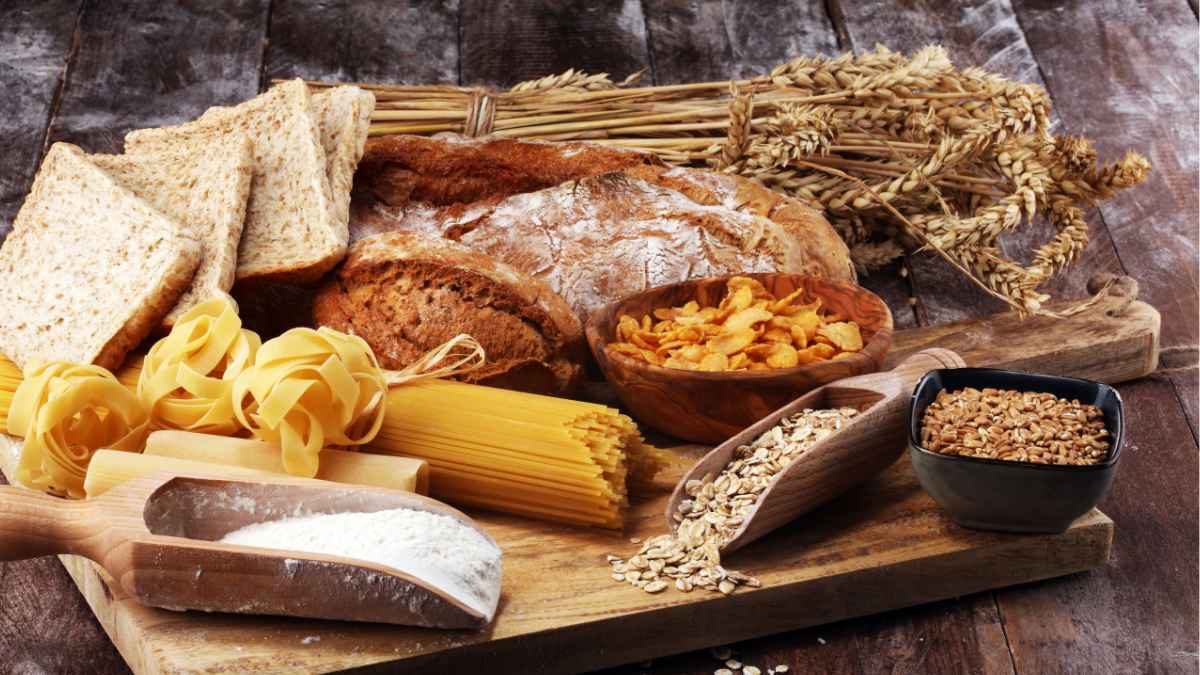
The no-carb diet has gained popularity in recent years as a weight-loss strategy and a means to improve overall health. However, many individuals following this dietary approach often find themselves wondering about the inclusion of certain snacks, particularly chips. Chips, typically made from potatoes or corn, are high in carbohydrates, which raises the question: can they fit into a no-carb diet? This article will explore the principles of the no-carb diet, the role of carbohydrates in nutrition, the composition of various chip types, and the implications of consuming chips while adhering to a no-carb lifestyle.
Understanding the No-Carb Diet: Key Principles Explained
The no-carb diet is characterized by a significant reduction or complete elimination of carbohydrate intake. This dietary approach aims to force the body into a state of ketosis, where it burns fat for fuel instead of carbohydrates. Key principles include a focus on protein and fat-rich foods, such as meats, fish, eggs, and healthy oils, while avoiding grains, fruits, and starchy vegetables.
Adherents of the no-carb diet often report benefits such as rapid weight loss, increased energy levels, and improved mental clarity. However, it is essential to note that the diet can be restrictive and may lead to nutrient deficiencies if not carefully planned. Understanding the balance between macronutrients is crucial for maintaining overall health while following this dietary pattern.
The no-carb diet can be challenging to maintain in social settings, where carbohydrate-rich foods are prevalent. This is particularly true for snacks like chips, which are often a staple at gatherings and parties. Recognizing the potential pitfalls of consuming high-carb snacks is essential for those committed to this dietary regimen.
In summary, the no-carb diet emphasizes the reduction of carbohydrates to promote fat-burning and weight loss. However, it requires careful planning and consideration of food choices to ensure nutritional adequacy and sustainability.
The Role of Carbohydrates in Human Nutrition
Carbohydrates are one of the three primary macronutrients, alongside proteins and fats. They serve as a significant source of energy for the body, particularly for the brain and muscles during physical activity. Carbohydrates can be classified into simple and complex forms, with simple carbohydrates found in sugars and complex carbohydrates found in whole grains, legumes, and vegetables.
While carbohydrates are essential for energy, excessive intake can lead to weight gain and other health issues, such as insulin resistance and metabolic syndrome. Understanding the role of carbohydrates in nutrition is vital for making informed dietary choices. Many nutritionists advocate for a balanced approach, emphasizing whole food sources of carbohydrates while minimizing refined and processed options.
In the context of a no-carb diet, the goal is to minimize carbohydrate intake to encourage the body to utilize stored fat as its primary energy source. This shift in metabolism can lead to various physiological changes, including increased fat oxidation and decreased insulin levels. However, it is crucial to recognize that not all carbohydrates are created equal, and some are more beneficial than others.
Ultimately, while carbohydrates play a significant role in human nutrition, the no-carb diet seeks to redefine their importance by minimizing their consumption and promoting alternative energy sources.
Analyzing the Composition of Popular Chip Varieties
Chips are typically made from starchy vegetables, most commonly potatoes or corn, which are inherently high in carbohydrates. For instance, a standard serving of potato chips can contain upwards of 15-20 grams of carbohydrates, primarily derived from starch. Analyzing the nutritional composition of chips reveals that they are often low in essential nutrients while being high in calories and unhealthy fats.
Moreover, many commercially available chips are processed and contain additives, preservatives, and artificial flavors, which can further detract from their nutritional value. Understanding the ingredients in chip varieties is crucial for those following a no-carb diet, as even small amounts of carbohydrates can hinder the desired metabolic state.
There are also alternative chip options made from non-starchy vegetables, such as kale or zucchini, which may offer lower carbohydrate content. However, it is essential to examine the nutritional labels carefully, as some brands may still contain added sugars or starches. Being vigilant about ingredient lists can help individuals make better choices aligned with their dietary goals.
In conclusion, traditional chips are generally high in carbohydrates and low in nutritional value. While there are low-carb alternatives available, careful scrutiny of ingredients is necessary to ensure they fit within the parameters of a no-carb diet.
Are There Low-Carb Alternatives to Traditional Chips?
For those on a no-carb diet seeking a crunchy snack, there are several low-carb alternatives to traditional chips. Options such as cheese crisps, pork rinds, and vegetable chips made from non-starchy vegetables can provide a satisfying crunch without the high carbohydrate content. These alternatives can often be made at home or purchased from specialty health food stores.
Cheese crisps, for example, are made by baking or frying cheese until it becomes crispy. They typically contain minimal carbohydrates and can be seasoned to taste, making them a flavorful option for snacking. Pork rinds are another popular choice, as they are made from fried pig skin and contain zero carbohydrates, making them an ideal snack for those adhering to a no-carb lifestyle.
Vegetable chips made from ingredients like kale, radishes, or zucchini can also be a viable option, provided they are prepared without added sugars or starchy coatings. Homemade versions allow for better control over ingredients and can be seasoned to suit individual preferences.
In summary, while traditional chips are not suitable for a no-carb diet, there are several low-carb alternatives available that can satisfy cravings without derailing dietary goals. Exploring these options can enhance the snacking experience while maintaining adherence to a no-carb lifestyle.
Potential Health Implications of Eating Chips on a No-Carb Diet
Incorporating traditional chips into a no-carb diet can have several health implications. First and foremost, the high carbohydrate content of chips can disrupt the state of ketosis that the diet aims to achieve. This disruption can lead to weight gain or hinder weight loss efforts, as the body may revert to burning glucose instead of fat for energy.
Furthermore, consuming processed chips can introduce unhealthy fats and additives into the diet, which may contribute to inflammation and other health issues. The long-term effects of regularly consuming these types of snacks can lead to negative health outcomes, including increased risk of chronic diseases.
On the other hand, if individuals choose to indulge in chips occasionally, it is essential to do so mindfully and in moderation. Being aware of portion sizes and the overall impact on daily carbohydrate intake can help mitigate potential negative effects.
Ultimately, while chips may be tempting, the potential health implications of consuming them on a no-carb diet warrant careful consideration. Making informed choices and prioritizing nutrient-dense foods can lead to better health outcomes and sustained weight loss.
Conclusion: Making Informed Choices on a No-Carb Diet
In conclusion, the question of whether chips can be consumed on a no-carb diet is complex. Traditional chips are high in carbohydrates and low in nutritional value, making them generally unsuitable for this dietary approach. However, there are low-carb alternatives available that can satisfy cravings without compromising dietary goals.
Understanding the principles of the no-carb diet, the role of carbohydrates in nutrition, and the composition of various chip types is essential for making informed choices. By prioritizing nutrient-dense foods and exploring healthier snack options, individuals can maintain their commitment to a no-carb lifestyle while still enjoying the occasional treat.
Ultimately, the key to success on a no-carb diet lies in careful planning, mindfulness, and a willingness to explore new food options that align with dietary goals.
Read more:
- Harvard T.H. Chan School of Public Health – The Nutrition Source: Carbohydrates – A comprehensive overview of carbohydrates and their role in nutrition.
- Mayo Clinic – Ketogenic Diet: Is the Ultimate Low-Carb Diet Right for You? – An expert analysis of the ketogenic diet and its implications for health.
- Healthline – The Ultimate Guide to Low-Carb Diets – A detailed guide to low-carb diets, including benefits and potential risks.
- Cleveland Clinic – What to Know About the No-Carb Diet – Insights into the no-carb diet and its effects on health.
- WebMD – The Truth About Low-Carb Diets – An informative slideshow discussing the realities of low-carb diets and their impacts on health.