
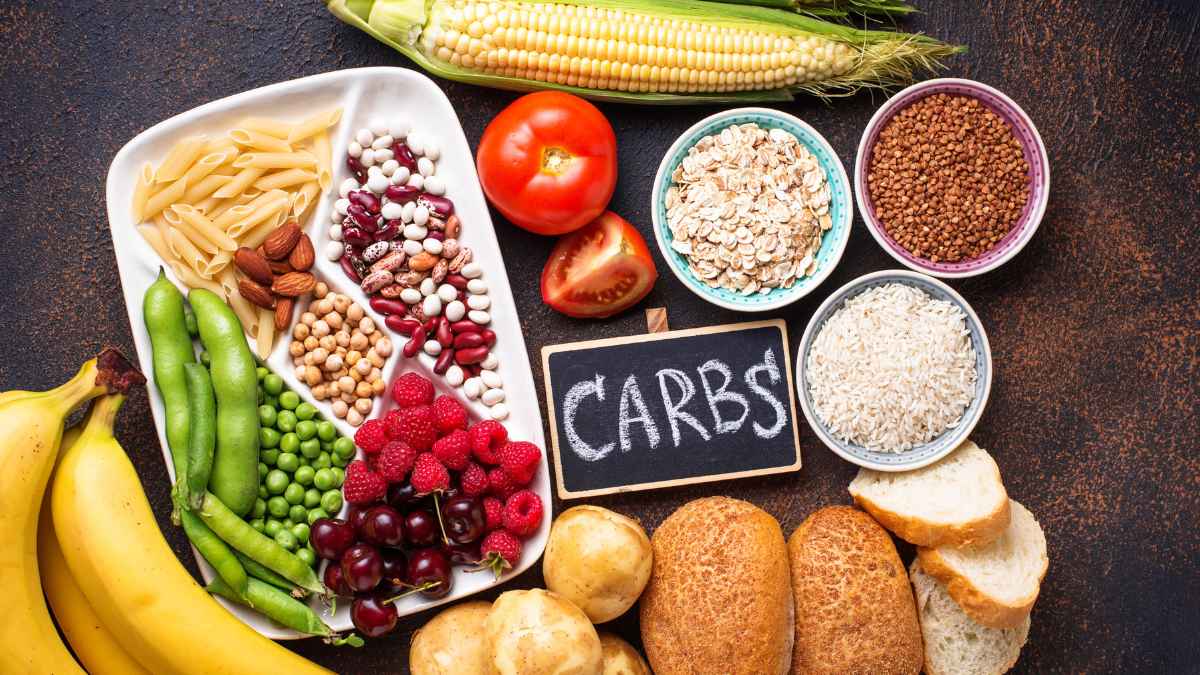

Introduction: Understanding the carbohydrate content in pasta is crucial for anyone looking to manage their diet, whether for weight loss, athletic performance, or general health. Pasta, a staple in many diets worldwide, is often scrutinized for its carbohydrate content. This article delves into the carbohydrate content in 60 grams of pasta, breaking down its nutritional profile, types of carbohydrates, and their health implications. We will also explore how to measure carbohydrates in different pasta types and offer tips for optimizing pasta intake for a balanced diet.
Introduction to Carbohydrate Content in Pasta
Pasta is a beloved food item, enjoyed in various forms across the globe. However, its carbohydrate content often becomes a focal point for those monitoring their dietary intake. Carbohydrates are a primary energy source, and understanding their presence in pasta is essential for making informed dietary choices.
Carbohydrates in pasta come primarily from starches, which are complex carbohydrates that the body breaks down into glucose. This glucose is then used for energy or stored for future use. The carbohydrate content in pasta can vary based on the type and preparation method, but a standard serving size provides a significant amount of daily carbohydrate needs.
The carbohydrate content in pasta is not just about quantity but also quality. Different types of pasta, such as whole grain or refined, offer varying nutritional benefits. Whole grain pasta, for instance, contains more fiber and nutrients compared to its refined counterparts.
Understanding the carbohydrate content in pasta also involves considering its glycemic index (GI) and glycemic load (GL). These metrics help determine how quickly carbohydrates in pasta raise blood sugar levels, which is crucial for managing conditions like diabetes.
In this article, we will provide a detailed nutritional breakdown of 60 grams of pasta, discuss the types and functions of carbohydrates, and explore how to measure carbohydrates in different pasta types. We will also examine the health implications of consuming pasta carbohydrates and offer tips for optimizing pasta intake within a balanced diet.
By the end of this article, you will have a comprehensive understanding of the carbohydrate content in pasta and how to incorporate it into a healthy eating plan.
Nutritional Breakdown of 60g of Pasta
A 60-gram serving of pasta provides a substantial portion of your daily carbohydrate needs. On average, this serving size contains approximately 42 grams of carbohydrates. This amount can vary slightly depending on the type of pasta and its preparation.
In addition to carbohydrates, 60 grams of pasta also contain other essential nutrients. Typically, this serving size provides around 2 grams of fiber, which aids in digestion and helps maintain stable blood sugar levels. The fiber content is higher in whole grain pasta compared to refined pasta.
Protein content in 60 grams of pasta is modest, averaging around 7 grams. While pasta is not a primary protein source, it contributes to the overall protein intake, especially when paired with protein-rich sauces or toppings.
Fat content in pasta is minimal, with less than 1 gram of fat per 60-gram serving. This low-fat content makes pasta a suitable option for low-fat diets, provided it is not paired with high-fat sauces or ingredients.
Vitamins and minerals are also present in pasta, though in varying amounts. Iron, B vitamins, and magnesium are commonly found in pasta, particularly in whole grain varieties. These nutrients play vital roles in energy production, red blood cell formation, and overall metabolic health.
Overall, 60 grams of pasta offer a balanced mix of carbohydrates, protein, fiber, and essential nutrients, making it a versatile and nutritious food option when consumed in moderation.
Carbohydrates: Types and Functions
Carbohydrates in pasta primarily consist of starches, which are complex carbohydrates. These starches are long chains of glucose molecules that the body breaks down into simpler sugars for energy. Complex carbohydrates are preferred over simple sugars due to their slower digestion and sustained energy release.
There are two main types of carbohydrates found in pasta: digestible and non-digestible. Digestible carbohydrates include starches and sugars that the body can break down and absorb. Non-digestible carbohydrates, such as fiber, pass through the digestive system without being absorbed, aiding in digestion and promoting gut health.
The primary function of carbohydrates is to provide energy. When consumed, carbohydrates are broken down into glucose, which is then used by the body’s cells for energy. Excess glucose is stored in the liver and muscles as glycogen for later use.
Carbohydrates also play a role in brain function. The brain relies on glucose as its primary energy source, making carbohydrates essential for cognitive functions such as concentration, memory, and mood regulation.
In addition to providing energy, carbohydrates help regulate blood sugar levels. Complex carbohydrates, like those found in pasta, are digested more slowly, leading to a gradual release of glucose into the bloodstream. This helps maintain stable blood sugar levels and prevents spikes and crashes associated with simple sugars.
Carbohydrates are also involved in the synthesis of certain biomolecules. For example, they are a component of glycoproteins and glycolipids, which are essential for cell structure and communication. This highlights the importance of carbohydrates beyond their role as an energy source.
Measuring Carbohydrates in Different Pasta Types
Measuring the carbohydrate content in different pasta types is essential for accurate dietary planning. The carbohydrate content can vary based on the type of pasta, its ingredients, and its preparation method.
For instance, traditional wheat pasta typically contains around 42 grams of carbohydrates per 60-gram serving. However, whole grain pasta may have slightly more carbohydrates due to the presence of the bran and germ, which also contribute additional fiber and nutrients.
Gluten-free pasta, made from rice, corn, or legumes, can also vary in carbohydrate content. Rice-based pasta tends to have a similar carbohydrate content to wheat pasta, while legume-based pasta, such as chickpea or lentil pasta, may have slightly fewer carbohydrates but higher protein and fiber content.
Measuring cooked versus uncooked pasta is another consideration. The carbohydrate content listed on packaging usually refers to uncooked pasta. Cooking pasta causes it to absorb water and expand, which can dilute the carbohydrate content per gram. Therefore, it’s essential to measure pasta in its dry form for accurate carbohydrate counting.
Different shapes and sizes of pasta do not significantly affect the carbohydrate content. However, the surface area and thickness can influence the cooking time and texture, which may impact the glycemic index of the pasta.
Using a food scale is the most accurate method for measuring pasta. Weighing 60 grams of dry pasta ensures precise carbohydrate intake, regardless of the pasta type. For those without a food scale, using standard measuring cups and understanding portion sizes can provide a reasonable estimate.
Accurate measurement of carbohydrates in pasta is crucial for individuals managing their carbohydrate intake, such as those with diabetes or those following specific dietary plans like low-carb or ketogenic diets.
Health Implications of Pasta Carbohydrates
The carbohydrates in pasta have various health implications, both positive and negative, depending on the individual’s overall diet and health status. Understanding these implications can help make informed dietary choices.
One of the primary benefits of pasta carbohydrates is their role in providing sustained energy. The complex carbohydrates in pasta are digested slowly, leading to a gradual release of glucose into the bloodstream. This steady energy supply can be beneficial for athletes and individuals with high energy demands.
Pasta carbohydrates also contribute to satiety, helping to control appetite and prevent overeating. The fiber content in whole grain pasta, in particular, promotes a feeling of fullness, which can aid in weight management.
However, consuming excessive amounts of pasta can lead to weight gain and increased risk of metabolic disorders. High carbohydrate intake, especially from refined pasta, can cause spikes in blood sugar levels, leading to insulin resistance over time. This is a concern for individuals with or at risk of developing type 2 diabetes.
The glycemic index (GI) of pasta is another important factor. Pasta generally has a moderate GI, meaning it causes a moderate increase in blood sugar levels. However, the GI can vary based on the type of pasta and its preparation. Whole grain pasta and pasta cooked al dente tend to have a lower GI compared to refined pasta and overcooked pasta.
Balancing pasta intake with other nutrient-dense foods is crucial for maintaining overall health. Pairing pasta with vegetables, lean proteins, and healthy fats can enhance its nutritional profile and mitigate potential negative effects.
Incorporating a variety of carbohydrate sources, including whole grains, fruits, and vegetables, ensures a balanced intake of essential nutrients and supports overall health. Moderation and mindful eating are key to enjoying pasta as part of a healthy diet.
Optimizing Pasta Intake for Balanced Diet
Optimizing pasta intake involves considering portion sizes, preparation methods, and pairing with other nutrient-rich foods. This approach ensures that pasta contributes positively to a balanced diet.
Portion control is essential for managing carbohydrate intake. A standard serving size of 60 grams of dry pasta provides a reasonable amount of carbohydrates without overloading the diet. Using a food scale or measuring cups can help maintain appropriate portion sizes.
Choosing whole grain pasta over refined pasta can enhance the nutritional value of a meal. Whole grain pasta contains more fiber, vitamins, and minerals, contributing to better digestive health and sustained energy levels.
Cooking pasta al dente, or slightly firm, can lower its glycemic index. This preparation method slows down the digestion and absorption of carbohydrates, leading to more stable blood sugar levels. Avoiding overcooking pasta is a simple yet effective way to optimize its health benefits.
Pairing pasta with a variety of vegetables, lean proteins, and healthy fats can create a balanced meal. Vegetables add fiber, vitamins, and antioxidants, while lean proteins like chicken, fish, or legumes provide essential amino acids. Healthy fats from sources like olive oil, nuts, and seeds enhance satiety and nutrient absorption.
Incorporating pasta into a meal plan that includes a diverse range of foods ensures a balanced intake of macronutrients and micronutrients. This approach supports overall health and prevents nutrient deficiencies.
Mindful eating practices, such as paying attention to hunger and fullness cues, can also help optimize pasta intake. Eating slowly and savoring each bite promotes better digestion and satisfaction, reducing the likelihood of overeating.
Conclusion: Understanding the carbohydrate content in 60 grams of pasta and its nutritional implications can help make informed dietary choices. By considering portion sizes, preparation methods, and pairing with nutrient-rich foods, pasta can be a valuable component of a balanced diet. Moderation and mindful eating are key to enjoying pasta while maintaining overall health.
Read More…
-
Harvard T.H. Chan School of Public Health: The Nutrition Source – Carbohydrates
- This resource provides comprehensive information on carbohydrates, their types, and their role in a healthy diet.
-
American Diabetes Association: Diabetes Food Hub – Pasta
- This article discusses the impact of pasta on blood sugar levels and offers tips for incorporating pasta into a diabetes-friendly diet.
-
Mayo Clinic: Carbohydrates: How Carbs Fit into a Healthy Diet
- This guide explains the different types of carbohydrates and their importance in a balanced diet.
-
Healthline: Is Pasta Healthy?
- This article explores the nutritional benefits and potential drawbacks of pasta consumption, providing a balanced perspective.
-
National Institutes of Health (NIH): Dietary Carbohydrates: Role of Quality and Quantity in Chronic Disease
- This scientific paper delves into the relationship between carbohydrate quality, quantity, and chronic disease risk, offering evidence-based insights.