

Se hai un abbonamento attivo ACCEDI QUI
Introduction:
In the realm of sports nutrition, the debate between carbohydrates and maltodextrins for recovery has garnered significant attention. Both are pivotal in replenishing energy stores and aiding muscle recovery, but they function differently. This article delves into the specifics of each, examining their roles, benefits, and how to choose the right recovery supplement.
Understanding Carbohydrates in Recovery Nutrition
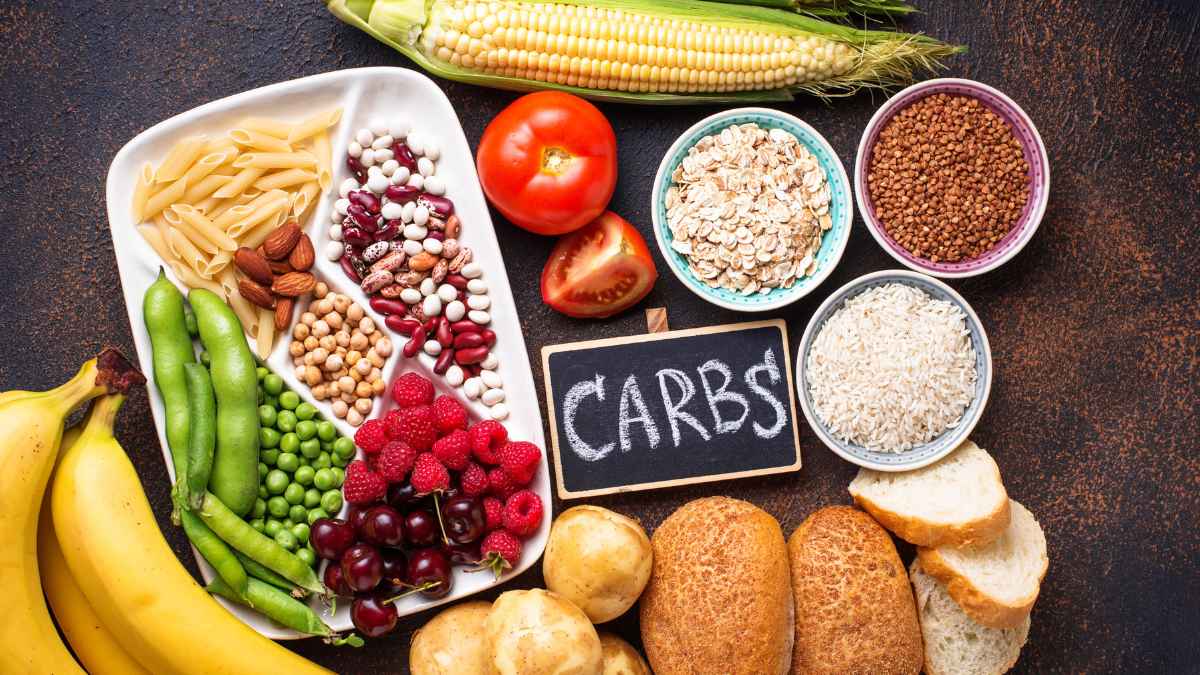
Carbohydrates are the primary source of energy for athletes, especially during high-intensity activities. They are broken down into glucose, which is stored as glycogen in muscles and the liver. During exercise, glycogen stores are depleted, necessitating effective recovery strategies to replenish these reserves.
The importance of carbohydrates in recovery nutrition cannot be overstated. They not only restore glycogen levels but also play a crucial role in muscle repair and growth. Consuming carbohydrates post-exercise can enhance protein synthesis, facilitating quicker recovery and reducing muscle soreness.
Different types of carbohydrates have varied impacts on recovery. Simple carbohydrates, such as glucose and fructose, are rapidly absorbed and provide immediate energy. Complex carbohydrates, like those found in whole grains, are digested more slowly, offering sustained energy release.
The glycemic index (GI) of carbohydrates is a critical factor in recovery. High-GI foods cause a rapid spike in blood sugar levels, making them ideal for immediate post-exercise consumption. Low-GI foods, on the other hand, provide a more gradual energy release, beneficial for long-term recovery.
Timing is essential when consuming carbohydrates for recovery. The "glycogen window," typically within 30 minutes post-exercise, is when the body is most efficient at replenishing glycogen stores. Consuming carbohydrates during this period can significantly enhance recovery.
Incorporating a mix of high and low-GI carbohydrates in post-exercise meals can optimize recovery. This approach ensures immediate glycogen replenishment while providing sustained energy for ongoing muscle repair and growth.
The Role of Maltodextrins in Post-Exercise Recovery
Maltodextrins are a type of carbohydrate derived from starch. They are commonly used in sports nutrition due to their rapid absorption and ability to provide quick energy. Maltodextrins are composed of glucose polymers, making them an efficient source of energy for athletes.
One of the primary benefits of maltodextrins is their high glycemic index. This characteristic makes them ideal for post-exercise recovery, as they can quickly elevate blood sugar levels and replenish glycogen stores. This rapid absorption is particularly beneficial for athletes engaging in multiple training sessions or competitions in a single day.
Maltodextrins are often included in recovery drinks and supplements due to their ease of digestion. Unlike some carbohydrates that may cause gastrointestinal discomfort, maltodextrins are less likely to cause bloating or stomach upset, making them a preferred choice for many athletes.
In addition to their role in glycogen replenishment, maltodextrins can also aid in hydration. They are often used in combination with electrolytes in sports drinks, helping to restore fluid balance and prevent dehydration after intense exercise.
The versatility of maltodextrins extends beyond recovery. They can be used during exercise to maintain energy levels and prevent fatigue. This dual functionality makes them a valuable component of both intra- and post-exercise nutrition strategies.
However, it’s important to note that not all maltodextrins are created equal. The source and processing methods can affect their quality and effectiveness. Athletes should choose high-quality maltodextrin supplements from reputable manufacturers to ensure optimal recovery benefits.
Comparing Carbohydrates and Maltodextrins Benefits
When comparing carbohydrates and maltodextrins, it’s essential to consider their respective benefits in the context of recovery. Both serve to replenish glycogen stores, but their absorption rates and effects on the body can differ significantly.
Carbohydrates, particularly those with a high glycemic index, provide rapid energy replenishment. This makes them ideal for immediate post-exercise consumption. Simple sugars like glucose and sucrose can quickly elevate blood sugar levels, facilitating faster glycogen synthesis.
Maltodextrins, on the other hand, offer a unique advantage due to their polymeric structure. They provide a rapid yet sustained release of glucose, making them effective for both immediate and prolonged recovery phases. This characteristic is particularly beneficial for athletes who need to maintain energy levels over extended periods.
Another key difference lies in their impact on digestion. Some athletes may experience gastrointestinal discomfort when consuming certain types of carbohydrates, particularly in large quantities. Maltodextrins are generally well-tolerated and less likely to cause such issues, making them a safer option for those with sensitive stomachs.
In terms of versatility, maltodextrins have the edge. They can be easily incorporated into various forms of supplements, including powders, gels, and drinks. This flexibility allows athletes to tailor their recovery nutrition to their specific needs and preferences.
Cost is another factor to consider. While both carbohydrates and maltodextrins are relatively affordable, the latter may be slightly more expensive due to their processing and formulation. However, the benefits they offer in terms of rapid and sustained energy release can justify the additional cost for many athletes.
Ultimately, the choice between carbohydrates and maltodextrins will depend on individual needs, preferences, and specific recovery goals. Both have their merits, and a combination of the two can often provide the best of both worlds.
How Carbohydrates Aid Muscle Glycogen Replenishment
Muscle glycogen is the primary fuel source for high-intensity exercise. During prolonged or intense physical activity, glycogen stores are depleted, leading to fatigue and decreased performance. Replenishing these stores is crucial for effective recovery and preparation for subsequent training sessions.
Carbohydrates play a vital role in glycogen replenishment. When consumed post-exercise, they are broken down into glucose, which is then transported to the muscles and stored as glycogen. The rate of glycogen synthesis is influenced by the type and timing of carbohydrate intake.
High-glycemic index carbohydrates are particularly effective for rapid glycogen replenishment. They cause a quick rise in blood glucose levels, stimulating the release of insulin. Insulin, in turn, promotes glucose uptake by the muscles and enhances glycogen synthesis.
The timing of carbohydrate consumption is critical for maximizing glycogen replenishment. Consuming carbohydrates within the first 30 minutes post-exercise, when the muscles are most receptive to glucose uptake, can significantly enhance glycogen synthesis. This period is often referred to as the "glycogen window."
In addition to timing, the amount of carbohydrate consumed also affects glycogen replenishment. Research suggests that consuming 1.0-1.2 grams of carbohydrate per kilogram of body weight within the first hour post-exercise can maximize glycogen synthesis. This amount can be divided into smaller doses and consumed at regular intervals to maintain elevated blood glucose levels.
Combining carbohydrates with protein can further enhance glycogen replenishment. Protein stimulates insulin release and provides amino acids for muscle repair and growth. A carbohydrate-to-protein ratio of approximately 3:1 is often recommended for optimal recovery.
Maltodextrins: Fast Absorption and Energy Supply
Maltodextrins are known for their rapid absorption and ability to provide a quick energy supply. This characteristic makes them particularly valuable for post-exercise recovery, where timely glycogen replenishment is crucial for optimal performance and recovery.
The high glycemic index of maltodextrins allows for a rapid rise in blood glucose levels. This quick absorption is beneficial for athletes who need to replenish glycogen stores quickly, especially those who engage in multiple training sessions or competitions within a short period.
Maltodextrins are composed of glucose polymers, which are chains of glucose molecules. This structure allows them to be absorbed more quickly than complex carbohydrates, providing a rapid source of energy. This fast absorption can help prevent the onset of fatigue and support sustained performance.
In addition to their role in glycogen replenishment, maltodextrins can also aid in hydration. They are often used in sports drinks in combination with electrolytes, helping to restore fluid balance and prevent dehydration. This dual functionality makes them a valuable component of post-exercise recovery strategies.
The ease of digestion of maltodextrins is another significant advantage. Unlike some carbohydrates that may cause gastrointestinal discomfort, maltodextrins are generally well-tolerated and less likely to cause bloating or stomach upset. This characteristic makes them a preferred choice for athletes with sensitive stomachs.
Maltodextrins can be easily incorporated into various forms of supplements, including powders, gels, and drinks. This versatility allows athletes to tailor their recovery nutrition to their specific needs and preferences, ensuring they receive the right amount of energy and hydration for optimal recovery.
Choosing the Right Recovery Supplement: Key Factors
Choosing the right recovery supplement involves considering several key factors, including the type of exercise, individual nutritional needs, and personal preferences. Both carbohydrates and maltodextrins have their unique benefits, and understanding these can help athletes make an informed decision.
The type of exercise and its intensity play a crucial role in determining the appropriate recovery supplement. High-intensity or prolonged activities that deplete glycogen stores rapidly may benefit more from the quick energy supply provided by maltodextrins. In contrast, moderate activities may not require such rapid replenishment, making traditional carbohydrates a suitable option.
Individual nutritional needs and goals should also be considered. Athletes aiming for rapid recovery and glycogen replenishment may prefer maltodextrins due to their fast absorption. Those focusing on overall dietary balance and sustained energy release might opt for a combination of high and low-GI carbohydrates.
Personal preferences, including taste and digestibility, are essential factors in choosing a recovery supplement. Some athletes may find certain carbohydrates more palatable or easier to digest than others. Maltodextrins, known for their ease of digestion, can be a suitable choice for those with sensitive stomachs.
The form of the supplement is another consideration. Powders, gels, and drinks offer different advantages and can be chosen based on convenience and specific recovery needs. For instance, recovery drinks that combine maltodextrins with electrolytes can provide both energy and hydration, making them a versatile option.
Cost and availability are practical factors that should not be overlooked. While both carbohydrates and maltodextrins are generally affordable, the latter may be slightly more expensive due to their processing. Athletes should weigh the benefits against the cost to determine the most suitable option for their budget.
Ultimately, the best recovery supplement is one that aligns with the athlete’s specific needs, goals, and preferences. A combination of carbohydrates and maltodextrins can often provide a balanced approach, offering both rapid and sustained energy release for optimal recovery.
Conclusion:
The choice between carbohydrates and maltodextrins for recovery depends on various factors, including the type of exercise, individual nutritional needs, and personal preferences. Both have unique benefits that can aid in glycogen replenishment and overall recovery. By understanding the roles and advantages of each, athletes can make informed decisions to optimize their recovery strategies and enhance performance.
Read More…
- The Role of Carbohydrates in Recovery – An in-depth study on the importance of carbohydrates in post-exercise recovery.
- Maltodextrins and Their Impact on Performance – A comprehensive review of how maltodextrins aid in athletic performance and recovery.
- Glycogen Replenishment Strategies – Detailed insights into effective glycogen replenishment techniques.
- High-Glycemic Index Carbohydrates and Recovery – An analysis of the benefits of high-GI carbohydrates for rapid recovery.
- Combining Carbohydrates and Proteins for Optimal Recovery – Research on the synergistic effects of carbohydrates and proteins in post-exercise nutrition.