

Se hai un abbonamento attivo ACCEDI QUI
Introduction:
Maintaining healthy blood pressure is crucial for overall well-being, and diet plays a significant role in this. Carbohydrates, a primary source of energy, can have varying effects on blood pressure. While some carbs are beneficial, others may exacerbate low blood pressure issues. This article delves into the types of carbohydrates to avoid if you’re looking to manage low blood pressure effectively.
Understanding Carbohydrates and Blood Pressure
Carbohydrates are one of the three macronutrients essential for human health, providing the body with glucose, which is converted into energy. They are found in various foods, including fruits, vegetables, grains, and dairy products. However, not all carbohydrates are created equal. They can be classified into simple and complex carbs, each having different effects on blood sugar levels and overall health.
Blood pressure is the force exerted by circulating blood on the walls of blood vessels. Low blood pressure, or hypotension, can lead to symptoms like dizziness, fainting, and even shock in severe cases. Diet, particularly carbohydrate intake, can influence blood pressure levels. Understanding the relationship between different types of carbs and blood pressure is crucial for managing hypotension.
Simple carbohydrates, found in foods like candy, soda, and baked goods, are quickly broken down by the body, leading to rapid spikes in blood sugar levels. These spikes can cause fluctuations in blood pressure, which may be detrimental for individuals with low blood pressure. On the other hand, complex carbohydrates, found in whole grains and vegetables, are digested more slowly, providing a more stable energy release.
The Glycemic Index (GI) is a valuable tool for understanding how different carbohydrates affect blood sugar levels. Foods with a high GI cause rapid increases in blood sugar, while those with a low GI result in a slower, more gradual rise. For individuals with low blood pressure, it is advisable to focus on low-GI carbohydrates to maintain stable blood sugar and blood pressure levels.
In addition to the type of carbohydrate, the overall quality of the diet plays a significant role in blood pressure management. A diet rich in fruits, vegetables, lean proteins, and healthy fats, combined with low-GI carbohydrates, can help maintain optimal blood pressure levels. Conversely, a diet high in refined sugars and processed foods can exacerbate blood pressure issues.
High Glycemic Index Carbs to Avoid
High Glycemic Index (GI) carbohydrates are those that cause a rapid increase in blood sugar levels. These foods are quickly digested and absorbed, leading to a swift spike in glucose. For individuals with low blood pressure, consuming high-GI foods can result in sudden drops in blood pressure once the initial spike subsides, causing symptoms like dizziness and fatigue.
White bread is a common high-GI food that should be avoided. Made from refined flour, it lacks the fiber and nutrients found in whole grains, leading to rapid digestion and absorption. This can cause significant fluctuations in blood sugar and blood pressure levels, making it unsuitable for those managing low blood pressure.
Sugary cereals are another high-GI food to steer clear of. Many breakfast cereals are loaded with added sugars and refined grains, causing a quick rise in blood sugar levels. Opting for whole grain cereals with no added sugars can provide a more stable energy release and help maintain consistent blood pressure levels.
Potatoes, particularly when consumed in forms like mashed potatoes or French fries, have a high GI. While they are a source of essential nutrients, their high starch content can lead to rapid increases in blood sugar and subsequent drops in blood pressure. Choosing lower-GI vegetables, such as sweet potatoes or leafy greens, can be a better option.
White rice is another high-GI carbohydrate that can negatively impact blood pressure. Similar to white bread, it is stripped of its fiber and nutrients, leading to quick digestion and absorption. Brown rice or other whole grains like quinoa or barley are healthier alternatives that provide more stable blood sugar levels.
Finally, sugary snacks and desserts, such as cookies, cakes, and pastries, should be avoided. These foods are often high in both refined sugars and unhealthy fats, contributing to rapid blood sugar spikes and subsequent blood pressure drops. Opting for healthier snacks, like nuts, seeds, or fresh fruit, can help maintain stable blood pressure levels.
Refined Sugars and Their Impact on BP
Refined sugars are a major contributor to blood sugar and blood pressure fluctuations. These sugars, found in foods like candy, soda, and baked goods, are quickly absorbed into the bloodstream, causing rapid spikes in blood sugar levels. For individuals with low blood pressure, these spikes can lead to sudden drops in blood pressure, exacerbating symptoms of hypotension.
One of the primary sources of refined sugars is sugary beverages. Drinks like soda, energy drinks, and sweetened teas are loaded with added sugars, providing little nutritional value. Consuming these beverages can cause rapid increases in blood sugar, followed by sharp declines, leading to unstable blood pressure levels. Opting for water, herbal teas, or unsweetened beverages can help maintain more consistent blood pressure.
Baked goods, such as cookies, cakes, and pastries, are another significant source of refined sugars. These foods often contain high amounts of added sugars and unhealthy fats, contributing to rapid blood sugar spikes. For those managing low blood pressure, it is best to avoid these treats and choose healthier options like whole grain snacks or fresh fruit.
Candy and sweets are obvious culprits when it comes to refined sugars. These items are primarily composed of sugar, offering little to no nutritional benefit. Consuming candy can lead to quick increases in blood sugar levels, followed by rapid drops, which can be particularly problematic for individuals with low blood pressure. Healthier alternatives, such as dark chocolate or dried fruit, can provide a more stable energy release.
Processed foods, including many packaged snacks and convenience meals, often contain hidden refined sugars. Reading ingredient labels carefully can help identify these added sugars, which can contribute to blood sugar and blood pressure fluctuations. Choosing whole, unprocessed foods can help maintain more stable blood pressure levels.
Finally, breakfast cereals are a common source of refined sugars. Many popular cereals are loaded with added sugars, making them a poor choice for those managing low blood pressure. Opting for whole grain cereals with no added sugars, or preparing homemade oatmeal with fresh fruit, can provide a more balanced and nutritious start to the day.
Processed Grains: Hidden Dangers
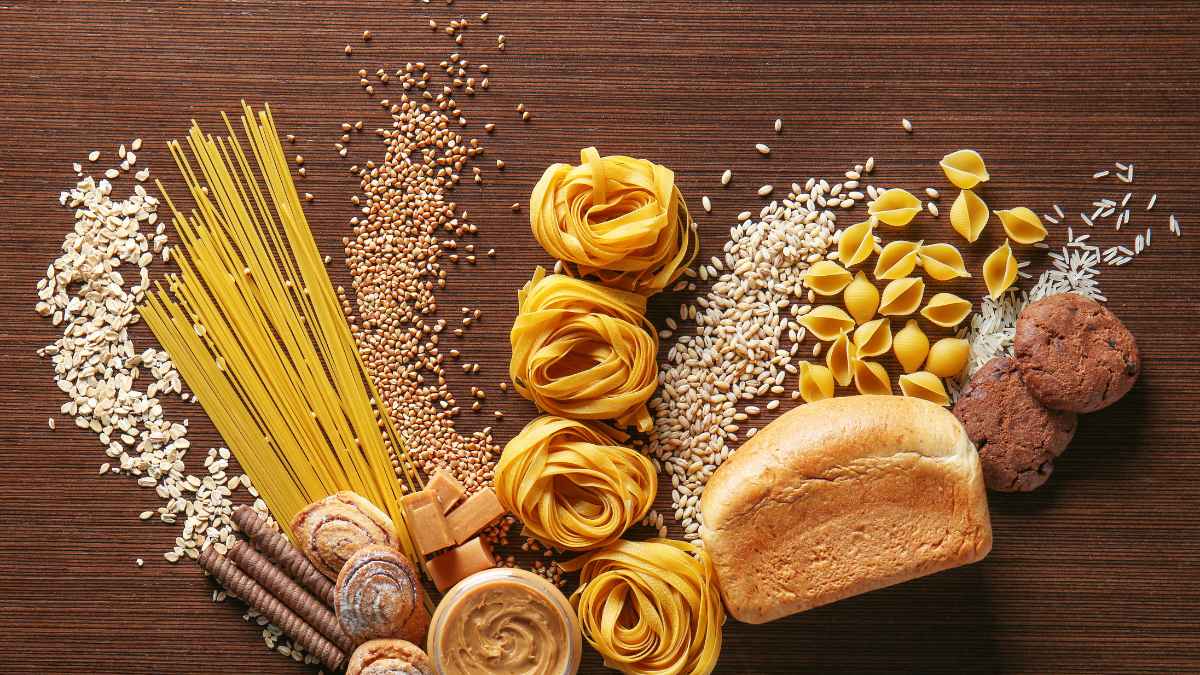
Processed grains, such as white bread, white rice, and pasta made from refined flour, are stripped of their natural fiber and nutrients during processing. This results in a product that is quickly digested and absorbed, leading to rapid increases in blood sugar levels. For individuals with low blood pressure, these fluctuations can cause instability in blood pressure, making it important to avoid processed grains.
White bread is a common processed grain that should be avoided. Made from refined flour, it lacks the fiber and nutrients found in whole grains, leading to quick digestion and absorption. This can cause significant fluctuations in blood sugar and blood pressure levels, making it unsuitable for those managing low blood pressure.
White rice is another processed grain that can negatively impact blood pressure. Similar to white bread, it is stripped of its fiber and nutrients, leading to quick digestion and absorption. Brown rice or other whole grains like quinoa or barley are healthier alternatives that provide more stable blood sugar levels.
Pasta made from refined flour is another processed grain to avoid. This type of pasta is quickly digested and absorbed, causing rapid increases in blood sugar levels. Whole grain pasta or pasta made from alternative flours, such as chickpea or lentil flour, can provide a more stable energy release and help maintain consistent blood pressure levels.
Processed snack foods, such as crackers and chips, often contain refined grains. These snacks are typically low in fiber and nutrients, leading to quick digestion and absorption. Choosing whole grain snacks, like whole grain crackers or popcorn, can provide a more balanced and nutritious option.
Breakfast cereals made from refined grains are another source of processed carbohydrates to avoid. Many popular cereals are loaded with added sugars and lack the fiber and nutrients found in whole grains. Opting for whole grain cereals with no added sugars, or preparing homemade oatmeal with fresh fruit, can provide a more balanced and nutritious start to the day.
Starchy Vegetables and Blood Pressure
Starchy vegetables, such as potatoes, corn, and peas, are higher in carbohydrates compared to non-starchy vegetables. While they provide essential nutrients, their high starch content can lead to rapid increases in blood sugar levels. For individuals with low blood pressure, these fluctuations can cause instability in blood pressure, making it important to monitor the intake of starchy vegetables.
Potatoes are a common starchy vegetable that can impact blood pressure. When consumed in forms like mashed potatoes or French fries, their high starch content can lead to rapid increases in blood sugar levels. Choosing lower-GI vegetables, such as sweet potatoes or leafy greens, can be a better option for maintaining stable blood pressure levels.
Corn is another starchy vegetable that can affect blood pressure. While it provides essential nutrients, its high carbohydrate content can cause rapid increases in blood sugar levels. Moderating the intake of corn and opting for non-starchy vegetables, like broccoli or cauliflower, can help maintain more consistent blood pressure levels.
Peas are a starchy vegetable that can contribute to blood sugar and blood pressure fluctuations. While they are a good source of protein and fiber, their high carbohydrate content can cause rapid increases in blood sugar levels. Including a variety of non-starchy vegetables in the diet can help provide a more balanced and nutritious option.
Winter squash, such as butternut and acorn squash, are starchy vegetables that can impact blood pressure. Their high carbohydrate content can lead to rapid increases in blood sugar levels. Choosing lower-GI vegetables, like zucchini or bell peppers, can help maintain more stable blood pressure levels.
Plantains are another starchy vegetable to monitor. While they provide essential nutrients, their high carbohydrate content can cause rapid increases in blood sugar levels. Opting for non-starchy vegetables, like spinach or kale, can provide a more balanced and nutritious option for maintaining stable blood pressure levels.
Reading Labels: Identifying Harmful Carbs
Reading food labels is crucial for identifying harmful carbohydrates that can impact blood pressure. Food labels provide valuable information about the ingredients and nutritional content of a product, helping consumers make informed choices. Understanding how to read and interpret these labels can help individuals with low blood pressure avoid harmful carbs.
The first step in reading food labels is to check the ingredient list. Ingredients are listed in descending order by weight, so the first few ingredients make up the majority of the product. Look for whole grains and avoid products where refined grains or sugars are listed as the first ingredients.
Next, check the serving size and the number of servings per container. This information is important for understanding the nutritional content of the product. Be mindful of portion sizes, as consuming larger portions can lead to higher intake of harmful carbohydrates.
The total carbohydrate content is listed on the nutrition facts panel. This includes all types of carbohydrates, including sugars and fiber. Pay attention to the amount of fiber, as higher fiber content can help slow the digestion and absorption of carbohydrates, leading to more stable blood sugar and blood pressure levels.
Added sugars are listed separately on the nutrition facts panel. These are sugars that have been added during processing and do not occur naturally in the food. High amounts of added sugars can lead to rapid increases in blood sugar levels. Aim to choose products with little to no added sugars.
The Glycemic Index (GI) is not listed on food labels, but it can be a helpful tool for understanding how a food will impact blood sugar levels. Foods with a high GI cause rapid increases in blood sugar, while those with a low GI result in a slower, more gradual rise. Researching the GI of common foods can help make more informed choices.
Finally, be aware of marketing claims on food packaging. Terms like "whole grain," "natural," and "healthy" can be misleading. Always check the ingredient list and nutrition facts panel to verify these claims and ensure the product aligns with dietary needs for managing blood pressure.
Conclusion:
Managing low blood pressure through diet involves careful consideration of the types of carbohydrates consumed. Avoiding high-GI foods, refined sugars, processed grains, and certain starchy vegetables can help maintain stable blood sugar and blood pressure levels. By reading food labels and making informed choices, individuals can better manage their blood pressure and overall health.
Read More…
-
Harvard Health Publishing: Glycemic index and glycemic load for 100+ foods
- This resource provides a comprehensive list of foods and their Glycemic Index, helping readers make informed dietary choices.
-
American Heart Association: Understanding Blood Pressure Readings
- A reliable source for understanding blood pressure readings and the impact of diet on blood pressure.
-
Mayo Clinic: Low blood pressure (hypotension)
- Detailed information on the causes, symptoms, and management of low blood pressure.
-
Cleveland Clinic: Nutrition and Blood Pressure
- Insights into how nutrition affects blood pressure and tips for maintaining a healthy diet.
-
National Institutes of Health: Dietary Guidelines for Americans
- Official dietary guidelines that provide recommendations for healthy eating patterns to support overall health.